I'm in London for a few days this week for some internal meetings and a customer visit.
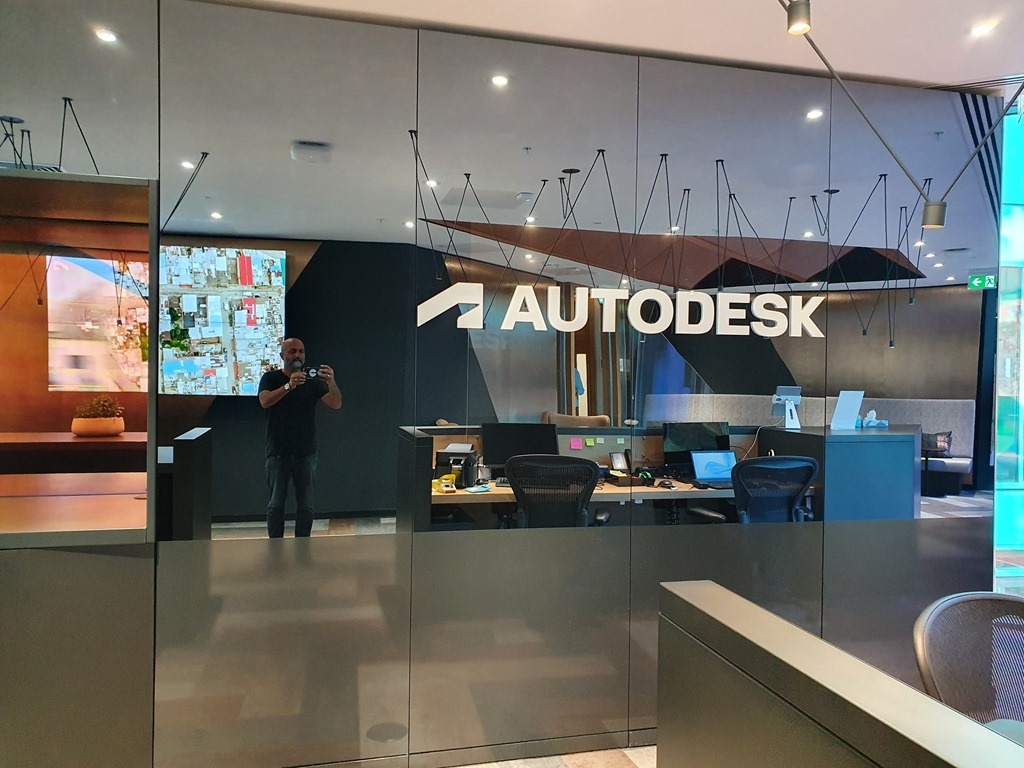
While visiting the Soho office I checked in with my Autodesk Research colleague Allin Groom about a project he and Matt Oosthuizen have undertaken to help reduce the impact of waste in the office.
The inspiration for the project was an all too common problem: a lot of waste generated by employees – many of whom buy takeaway lunches at local shops and restaurants – comes in the form of polyethylene terephthalate (PET) containers. While this material is nominally recyclable, Allin and Matt were motivated to see how PET might be repurposed locally in the office as a material for 3D printing.
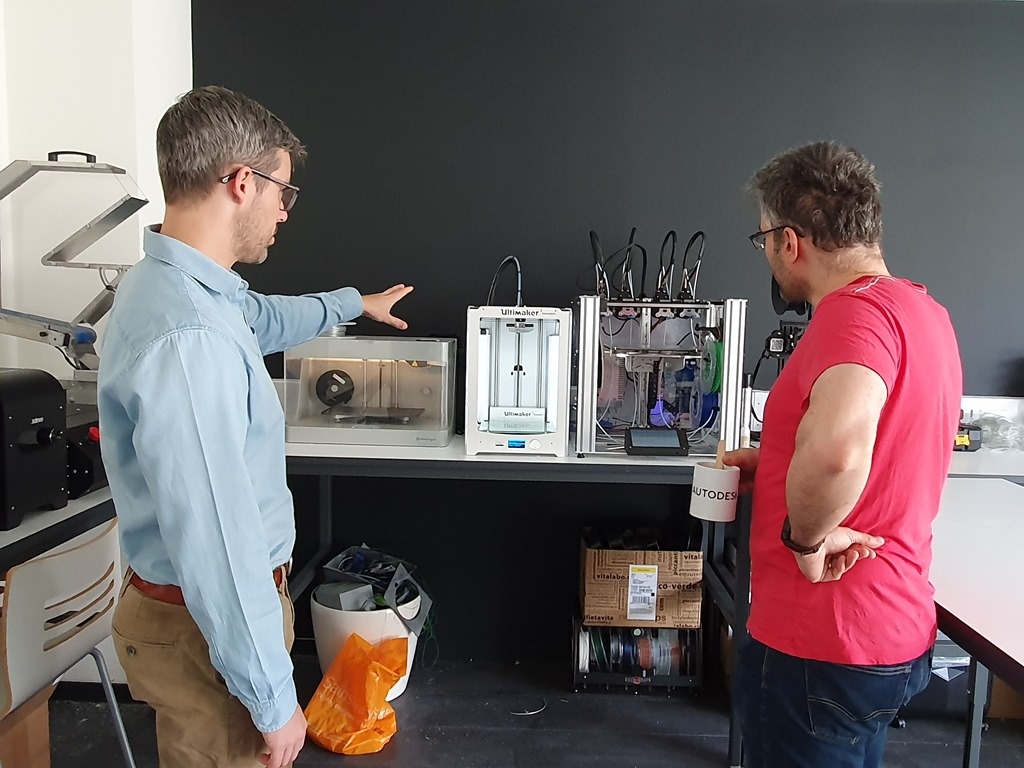
Allin gave George – another colleague visiting the office – and I an informal tour of the office's makerspace along with an introduction to this fascinating project.
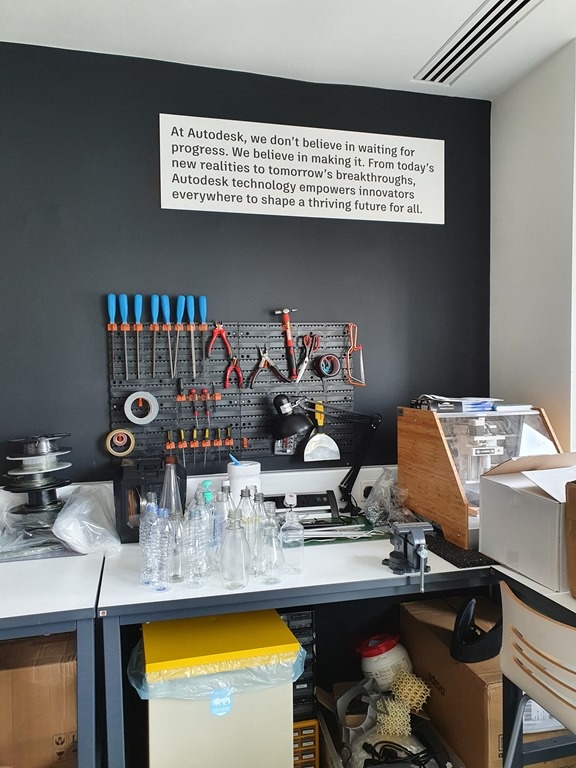
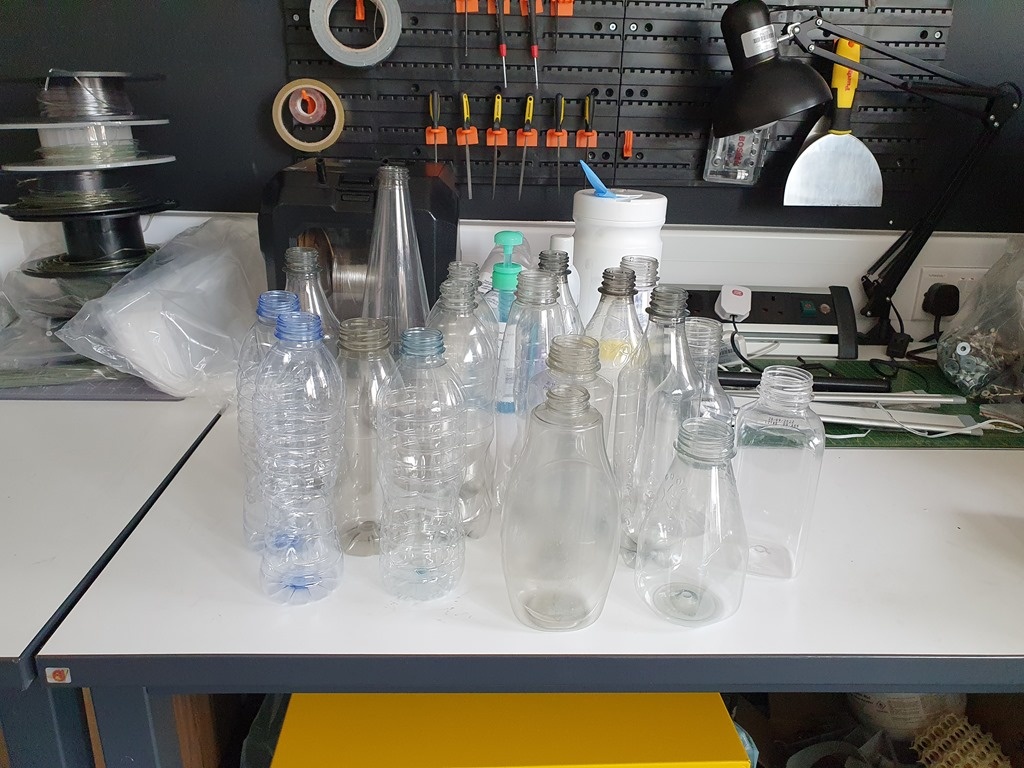
One of the early stages is to clean the bottles – removing caps, labels and glue – ready for shredding. It's worth noting that a lot of the usual concerns about using food and drink containers for secondary manufacturing relate to their suitability for injection molding: additive manufacturing with extruded filament suffers a lot less from this issue.
Here's a close-up of some bottles that have been prepared for repurposing.
The next step is to flatten and shred the cleaned bottles. This is performed using a standard $100 document shredder with the plastic guard removed!
I don't have a picture of the shredded material – the process to turn it to granules was done fairly recently, so there wasn't any waiting for further processing – but it probably looks much like we'd expect.
The system to convert the shredded plastic to filament starts with The Granulator.
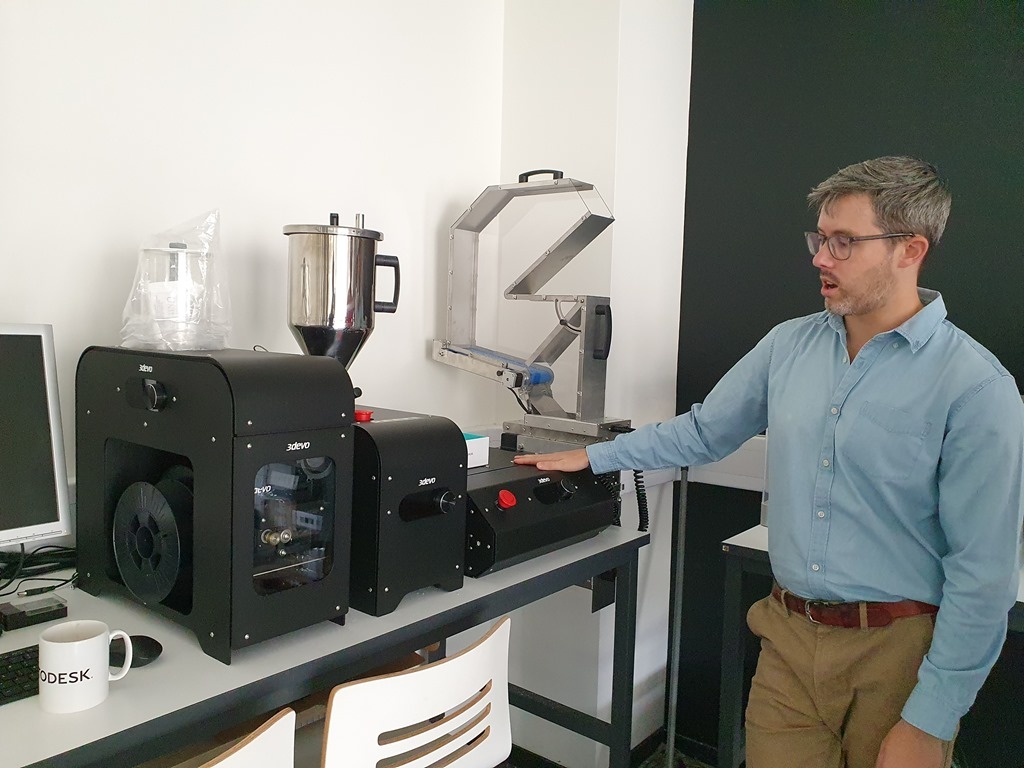
Yes, this creates granules.
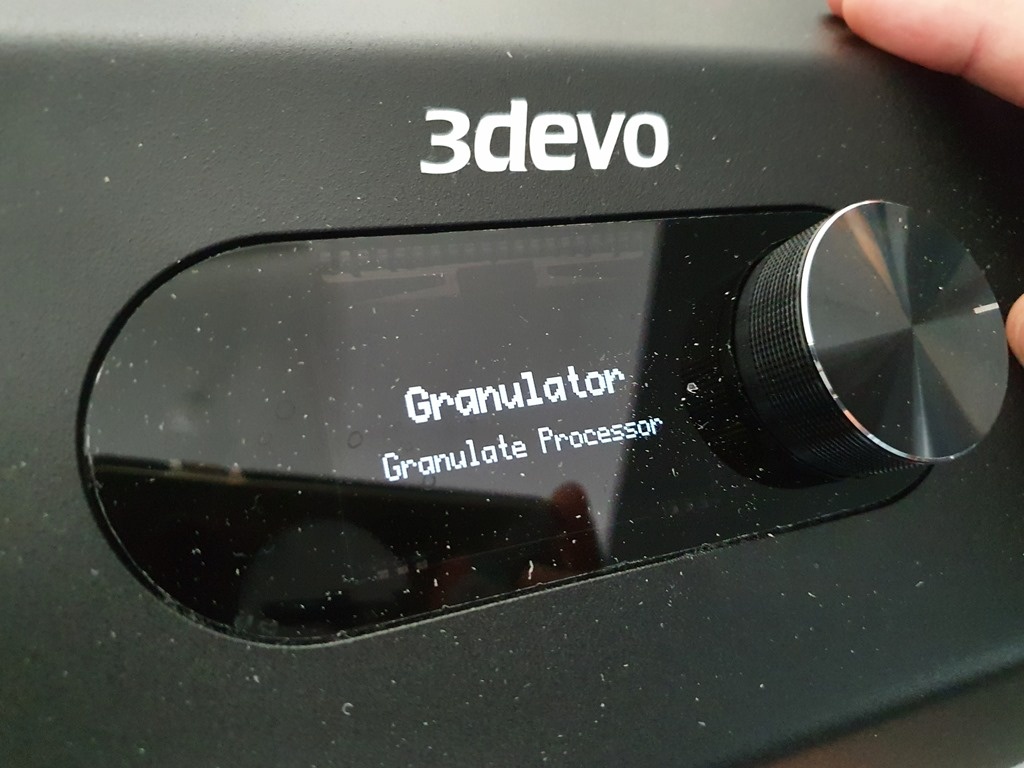
This first cut of granules are run through a following dehydration machine that removes any residual moisture.
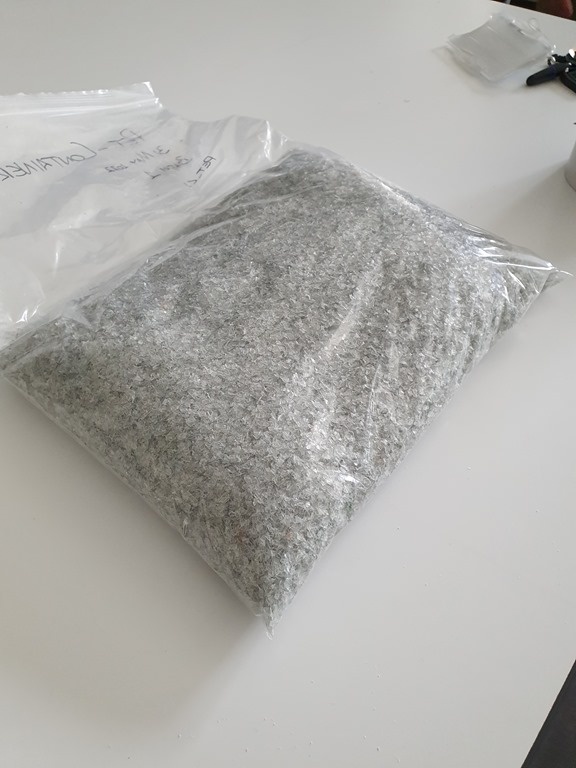
Here's a close-up of these initial granules.
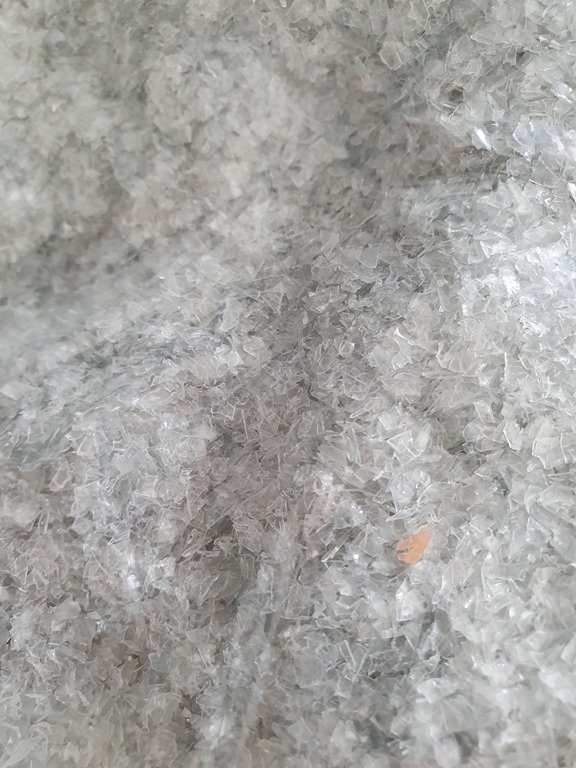
The filament extruded from the melted granules can have varying hues – while being basically transparent – but the quality looks very good.
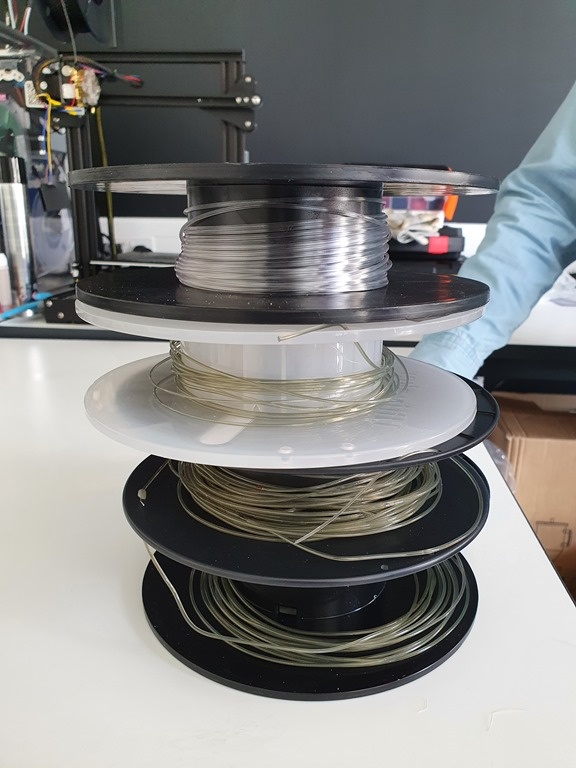
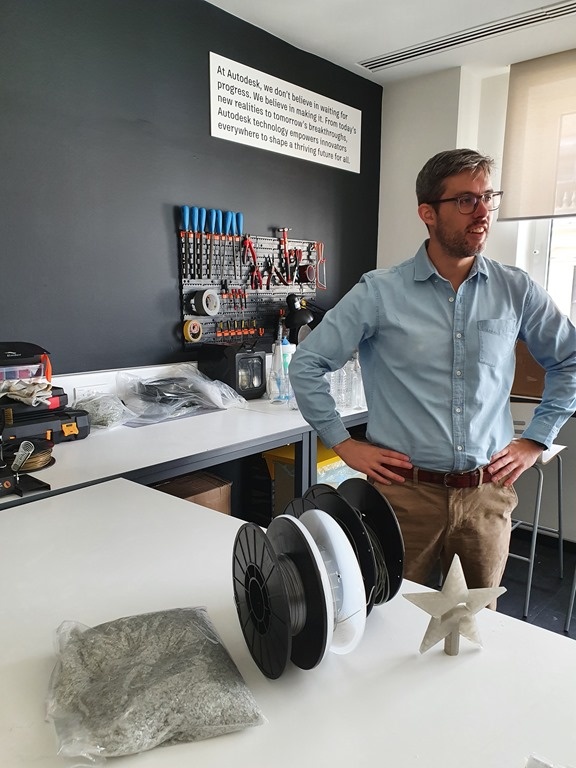
Here's Allin with granules, filament and the result of a test print.
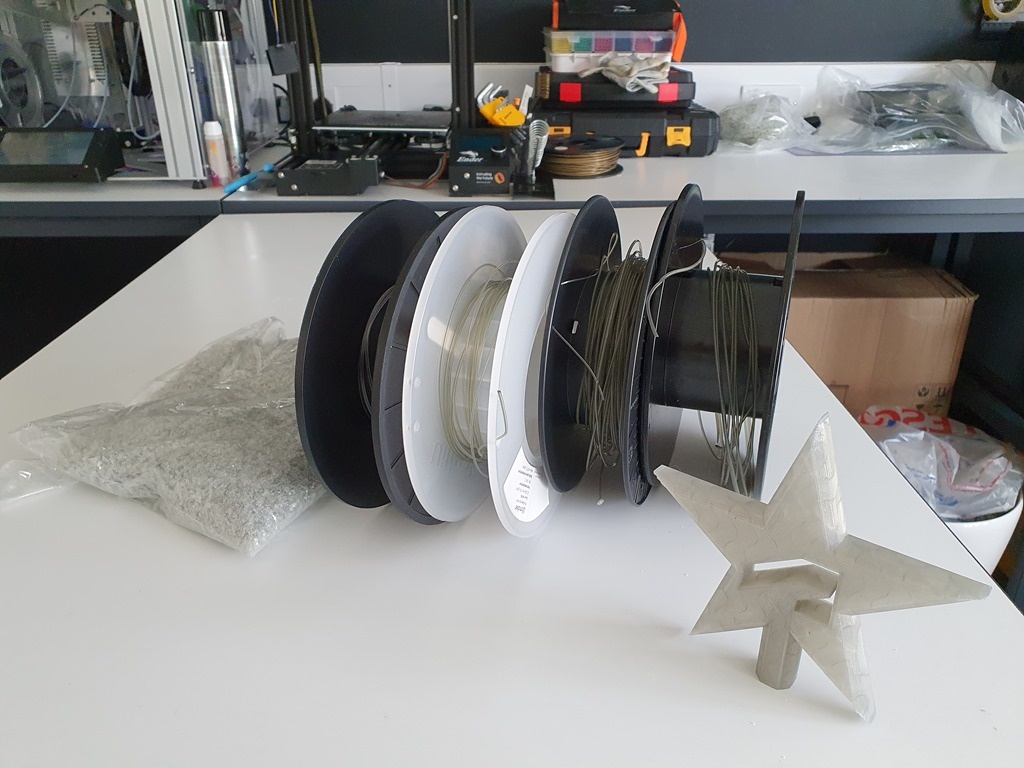
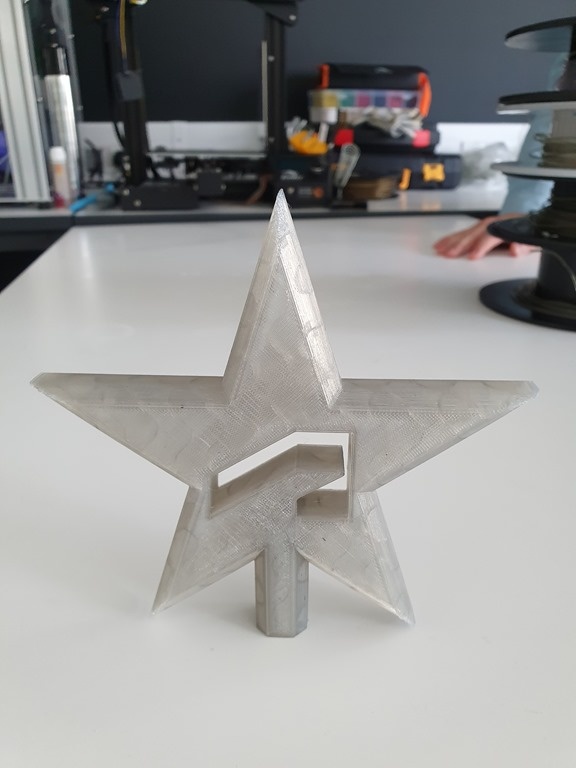
This is a star that the team 3D-printed for the Autodesk London Christmas tree.
Now for the really cool bit. And yes, I know all of this has been pretty cool up to this point.
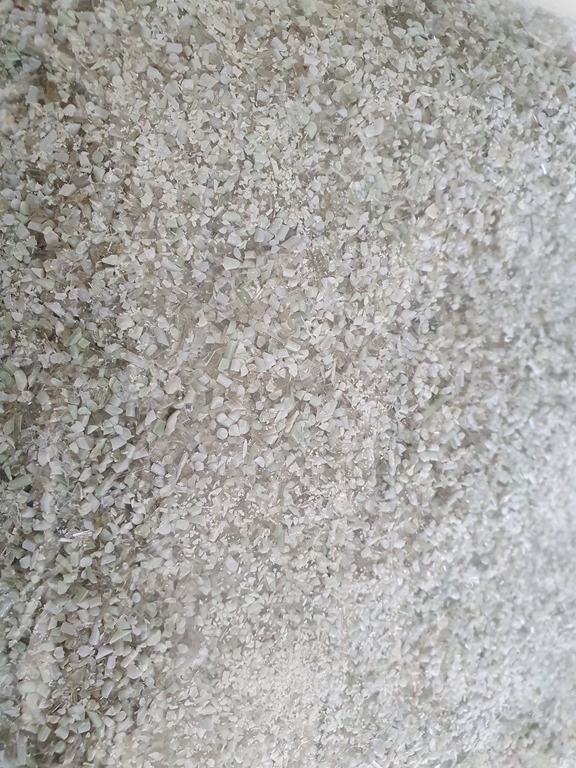
Allin and Matt are exploring the possibility for recycling this material multiple times, something that we're not aware of anyone else attempting. They have taken the printed output from the process and have reshredded and reused it to create more granules.
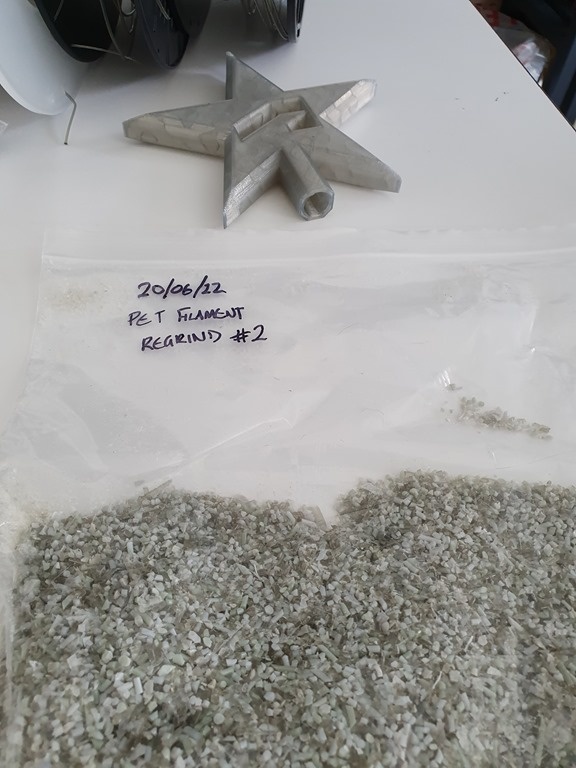
They plan on repeating this multiple times, to test how far the process can be taken in terms of iterations.
Some interesting additional points: there are power metres throughout the makerspace, so the team has exact data on the energy required throughout this process, allowing them to properly understand the carbon cost of recycling in this way. The results of this are going to be extremely interesting.
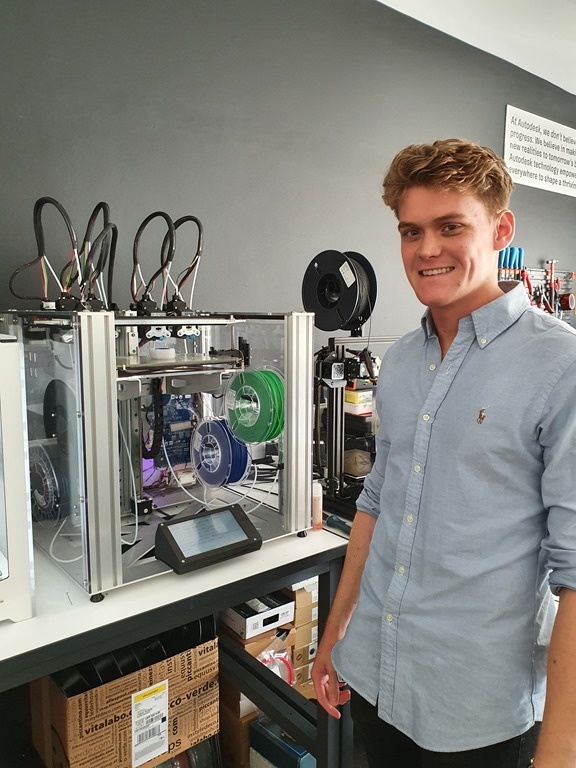
Finally, Allin and Matt would love to see this approach developed further by others. If you're interested in learning more – or collaborating in some way – please do reach out.

Leave a Reply