Human-centric building design
-
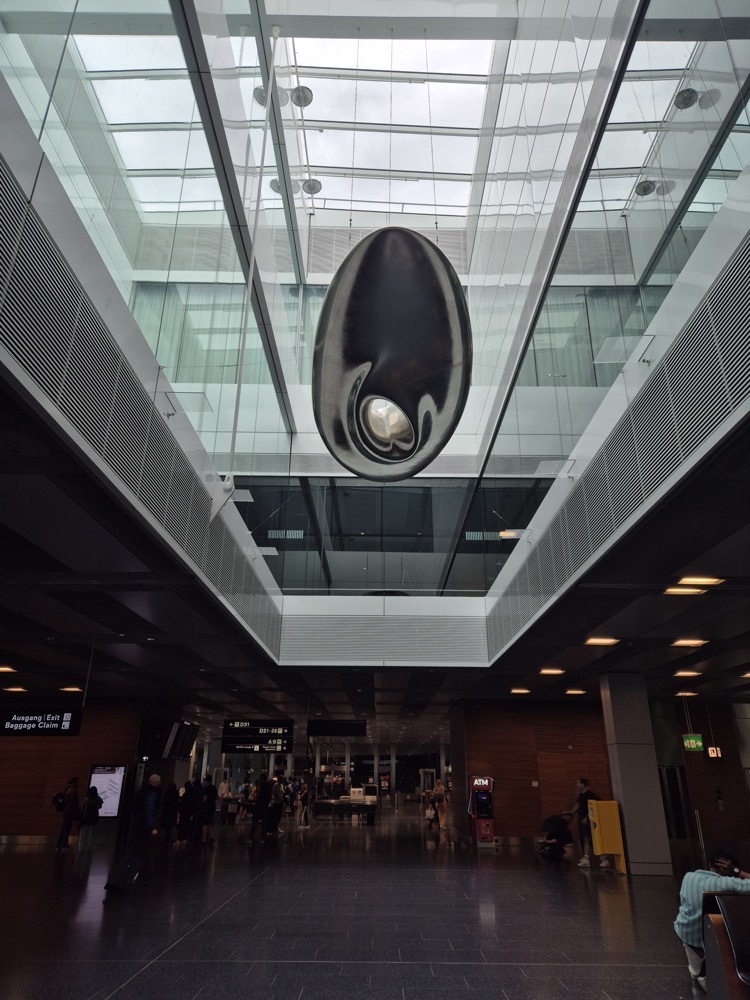
After holding a couple of fantastic Encoding Experience events in Boston and San Francisco, last week was our chance to see how well the format would work in the UK. On Monday I was back in Zurich airport to fly across to Heathrow. It was one of those rare flights where I opted for a window seat, so I made the most of it. Here's the view as we crossed the channel, the coastline being the south coast of England.As we approached London the weather was still lovely.And then we landed.Rather than inflicting the ever-increasing Heathrow pick-up fee on my…
-

At the beginning of this week I recorded my class for Autodesk University 2025. It's largely a repeat from my session at DevCon 2025 in Amsterdam, so if you attended that class then this one won't be especially exciting (unless you're like me and a second watch of something is actually really helpful, these days!). Do you know my favourite thing so far about this year's conference? My "class ID" is 1980. For some reason this fills me with a great deal of satisfaction. Go figure. The in-person class will be held during the last session of Day 1 of…
-
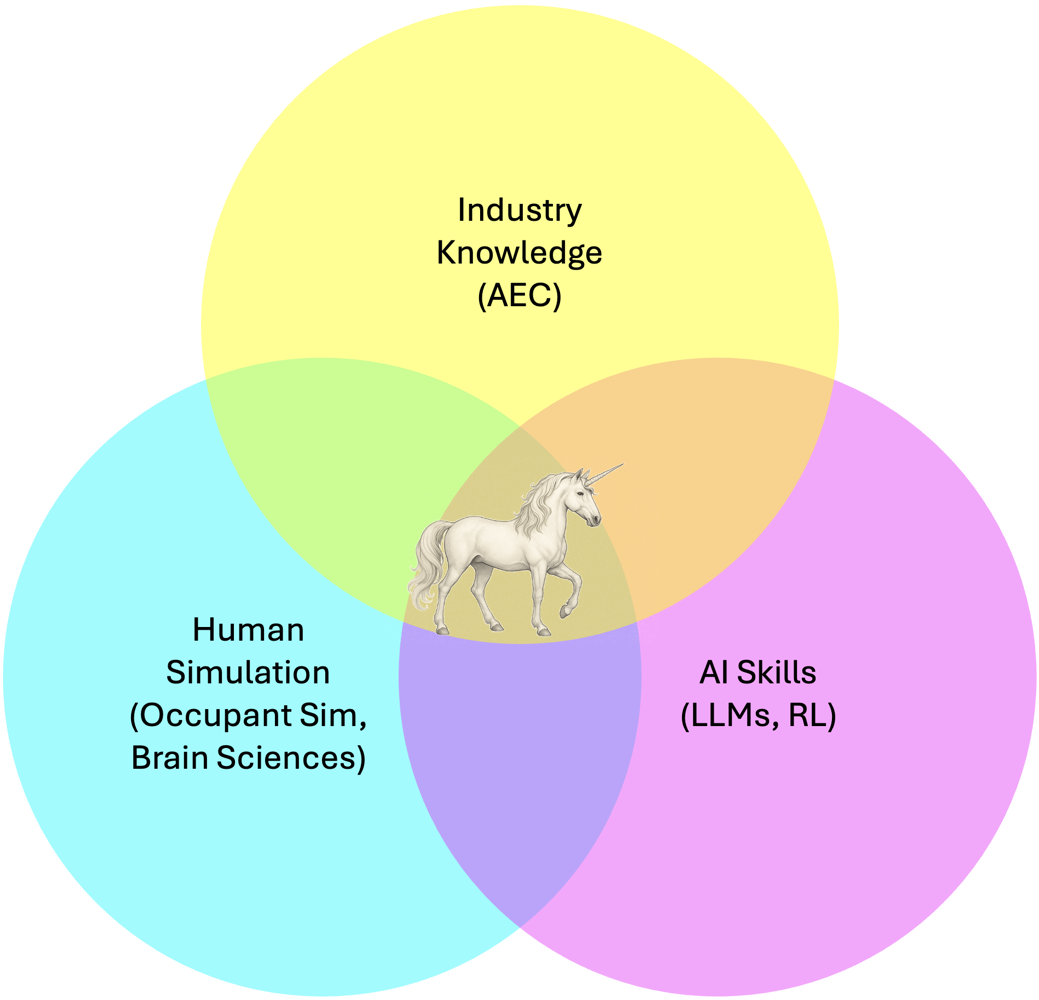
A few weeks ago - while I was on holiday, in fact - we posted a job description that I mentioned on LinkedIn: Interested in developing and applying novel AI-based human simulation to improve the built environment? Come and work in my research team at Autodesk! Candidates open to working in London or Toronto are preferred, but the role will be largely hybrid. We've already had several really interesting candidates apply for the job, but I did want to talk a bit more about this position and encourage more folks to apply. Here's the job description itself: Autodesk Research is…
-
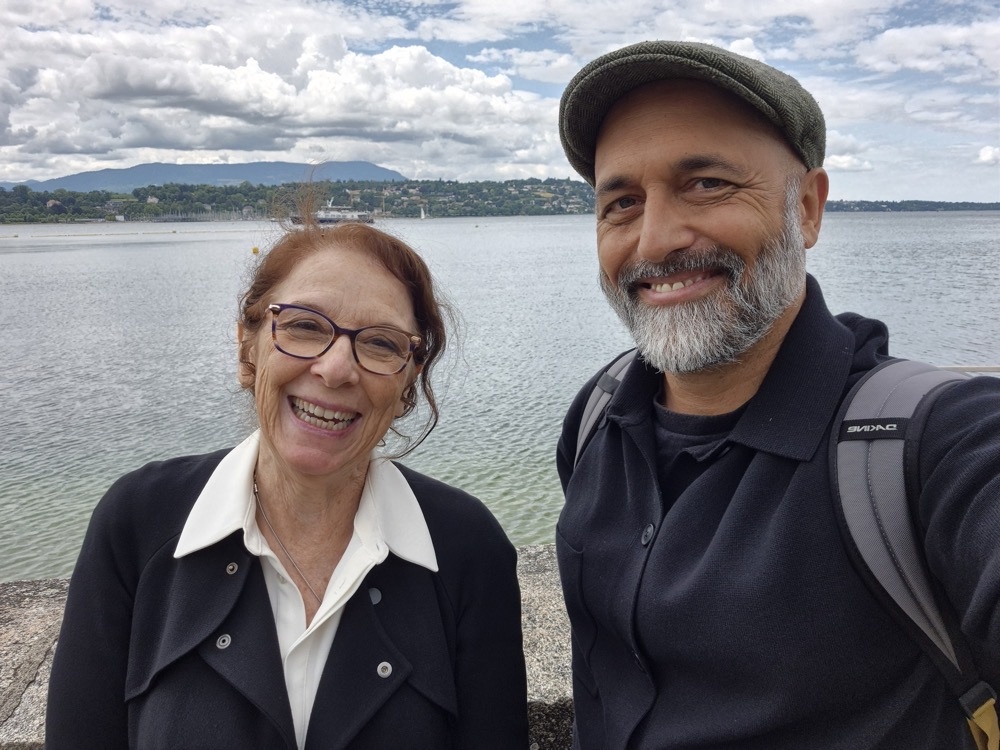
On Monday I hopped on an early train to Geneva to meet with Eve Edelstein. Eve is an Adjunct Professor at the Stanford University School of Medicine and a board member of the Academy of Neuroscience for Architecture (ANFA). Eve and I had met in San Francisco at our Encoding Experience event there, and she had kindly reached out to let me know she'd be passing by my general vicinity on her trip to Europe. We met at the Cottage Café and over a couple of cappuccinos (cappuccini?) we had a really interesting discussion about the human experience of architecture,…
-
Now that I'm back from Toronto I have the time to share some news that came our way last week. The production team at Frontiers in Sustainable Cities informed us that a paper we've been working on - Experiential space analysis: scoring tranquil, social, and explorative places in habitable buildings - has been published in their research topic on Intelligent Systems for Sustainable Building: Balancing IEQ with Energy Efficiency. The paper is the culmination of significant effort from the various authors - Rhys, Nastaran, Jeremy, Seba, Dianne, Frederik, Mike, Liviu, Tomas, Dagmara and myself - over a couple of years.…
-

The recording from our panel discussion at the "100 Minds in Motion" event - held a few weeks ago at UCL PEARL - is now live on the Bartlett School of Architecture faculty webpag for the project. The least interesting piece of this recording is when I'm speaking, so really do please feel free to stop watching beforehand. It's quite near the end, so you have plenty to enjoy until then. Image courtesy of Hugo Spiers, UCL. We're very excited about the future of this collaboration with UCL: we have co-funded a PhD project for someone to work on analyzing…
-

Last week prospective speakers who submitted class proposals for AU 2025 - which is being held in Nashville from September 16-18 - were notified whether the sessions were accepted or not. For this year's AU I'd submitted two classes. One was a look at various technologies we've been exploring to capture the human experience of the built environment, going back to projects such as the one we did with The Bentway, but also looking at more recent efforts involving crowdsourcing, EEG and VR. Unfortunately this class was declined. My other proposal was to repeat the session I delivered at the…
-
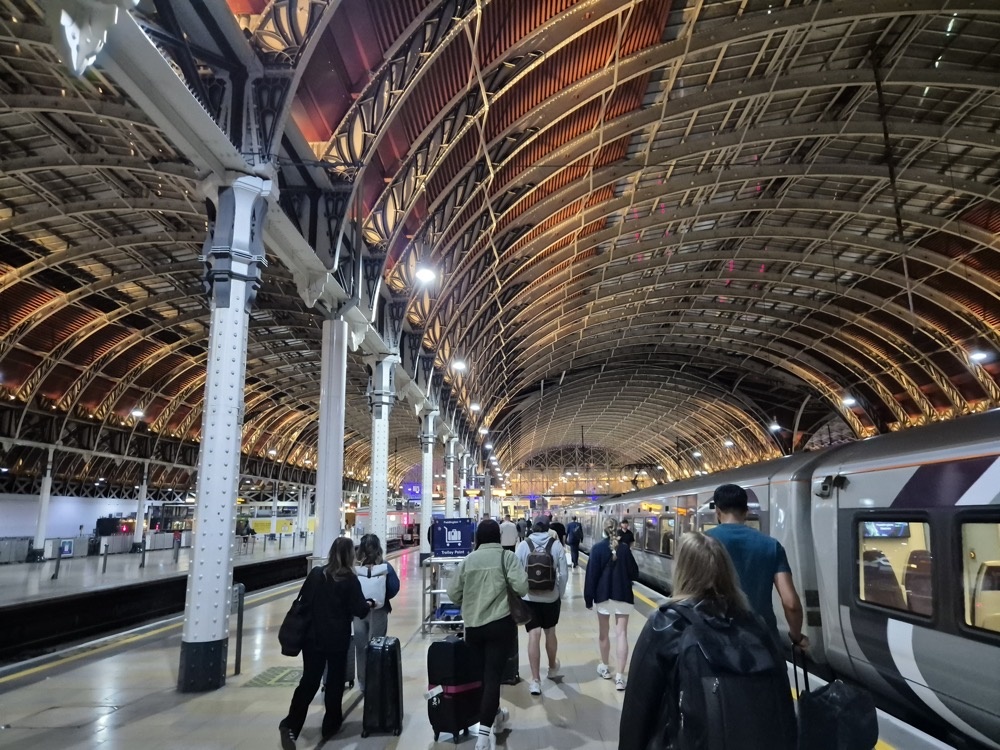
At the end of the last post I was waiting for my new flight from Schipol to Heathrow, the original having been cancelled for some reason. In the end I managed to fly out the same night: I was in a middle seat, but by that point I would have stowed away in the hold or in the toilet if I had to. Next time I need to do that journey I will take the train - I really don't know why it didn't occur to me this time. It was getting late when I got in: I was held…
-
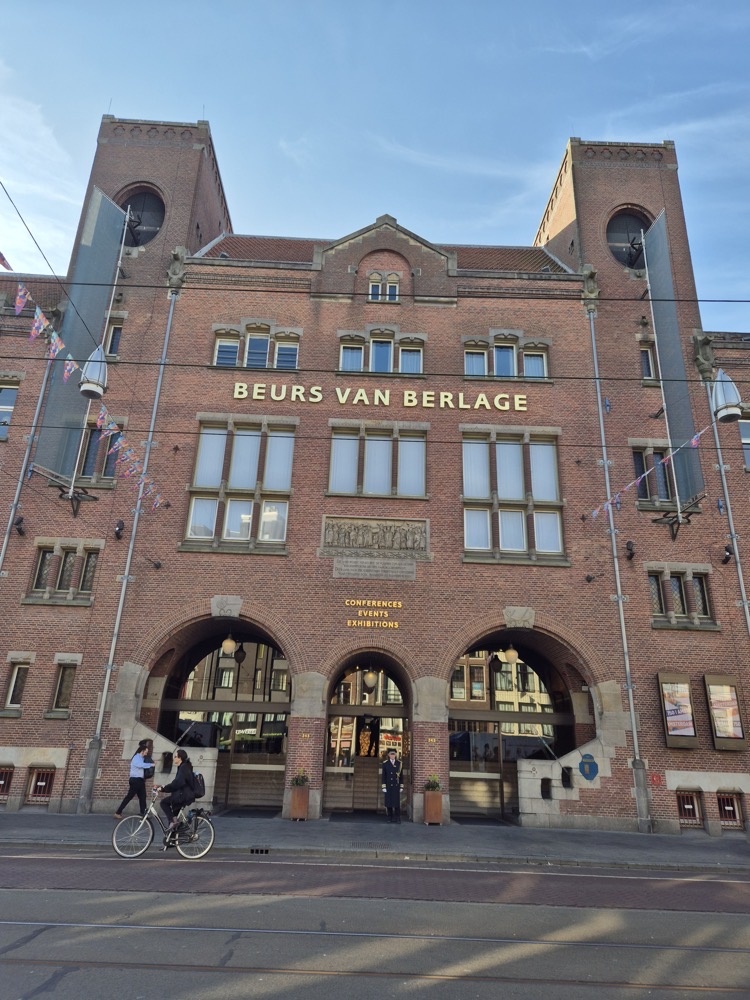
On Tuesday morning, the beginning of the first day proper of Autodesk's DevCon Europe 2025 in Amsterdam, attendees started to arrive at the historic Beurs van Berlage. It's really a beautiful conference venue. It wasn't long before I was catching up with old friends, including past and present Autodesk employees. The Piro brothers are regulars at Autodesk events, although they're now there with different companies. For the first day's general session employees were asked to use an overflow room with a large screen. I ended up standing at the back. I propped my machine on a table holding a scale…
-
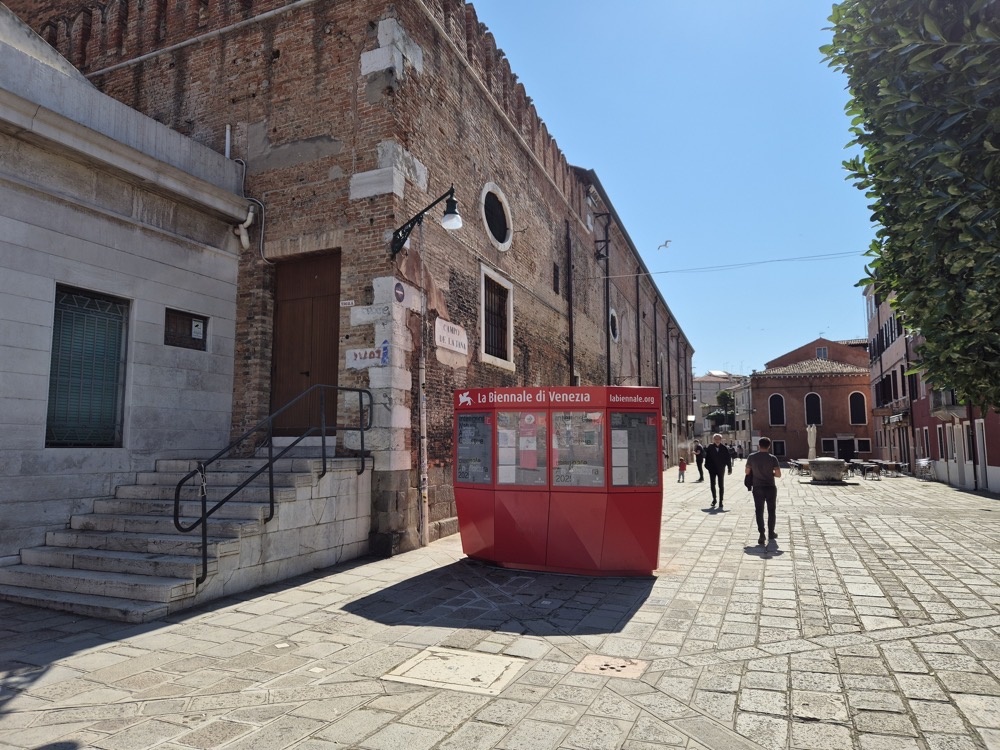
As mentioned in the last post, I ran across to the Arsenale site of the Venice Biennale to take as many photos as I could in approximately 30 minutes. This post includes those photos, but I've decided not to even try to fake some meaningful commentary. It's just unfair on the people who worked so hard to create the exhibits to have someone come along and pretend he knows anything about their work. I will just give a quick shout-out to my new friend - and neuroscience classmate - Ehab Mokhtar, who you'll see in photo 56. Ehab kept up…