In the last couple of posts in this series, we looked at how we've been able to include a 2D heatmap view inside Project Dasher and make it resizable via a square, transparent panel.
This post is really just to let you know that we've now extended the capability to support multiple heatmaps, which is particularly interesting if you want to compare data from different sensor types across the floor of a building. (I often say that the value in a tool like Dasher is in its ability to correlate multiple streams of data – such as occupancy with CO2 – so this is certainly a tool that I see being used for diagnosing complex scenarios.)
Here's an animation showing how to set them up. Basically as long as you have the "2D heatmaps" option turned on in the "Appearance" settings then the heatmaps will get created whenever you select an item from the sensor type dropdown. (You don't need to change the type – it can be same as the currently selected one.)

Only one panel is currently created for each type, which is something we'll look at in a future post. As we cycle through the levels, we can see the contents of the heatmaps change: ideally we'd like to have heatmaps for different levels (more on this later).
Here's a view of data being displayed via heatmaps of various sensor types for the NEST building:
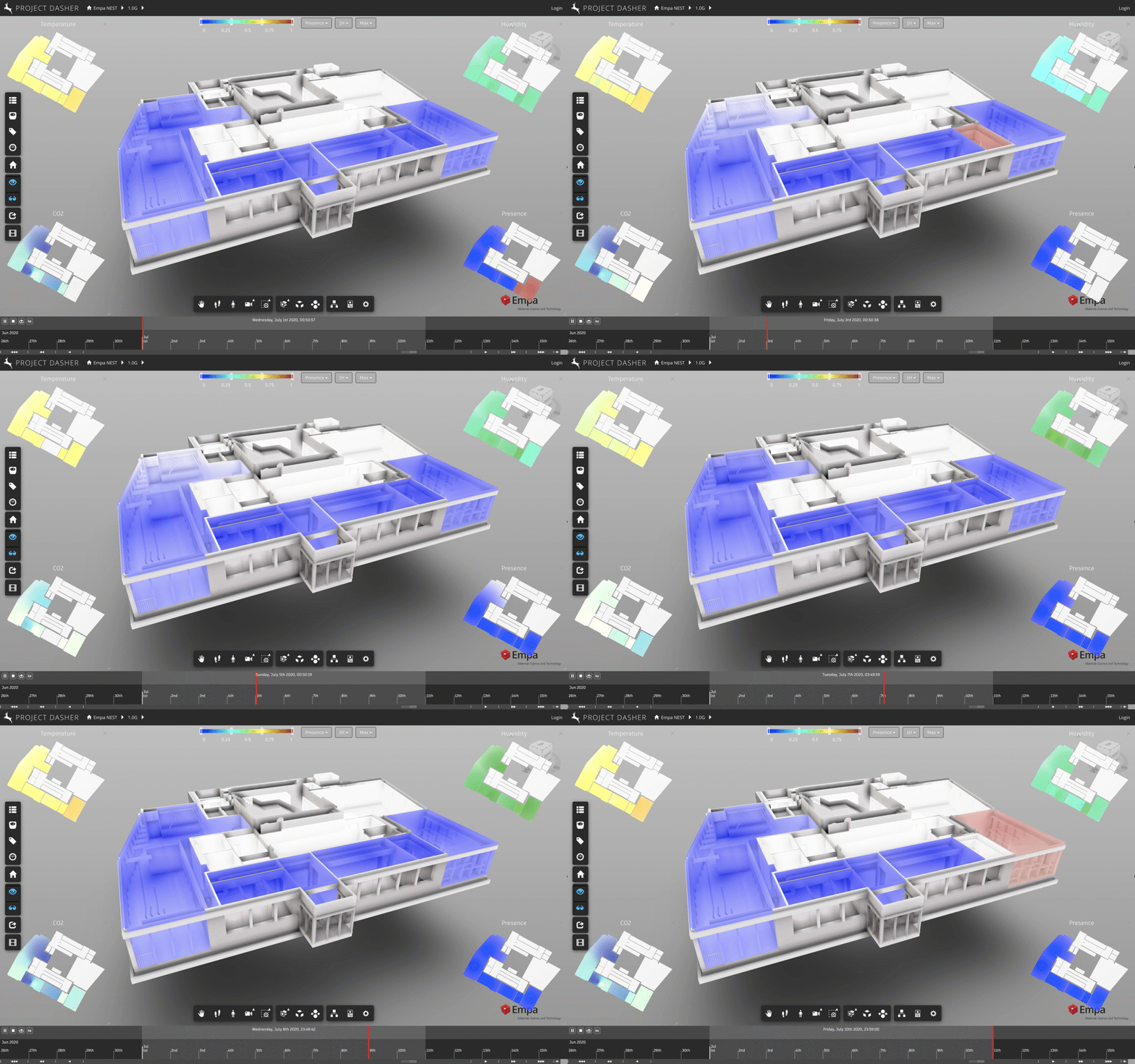
If you want to try it for yourself, this link should bring up something similar.
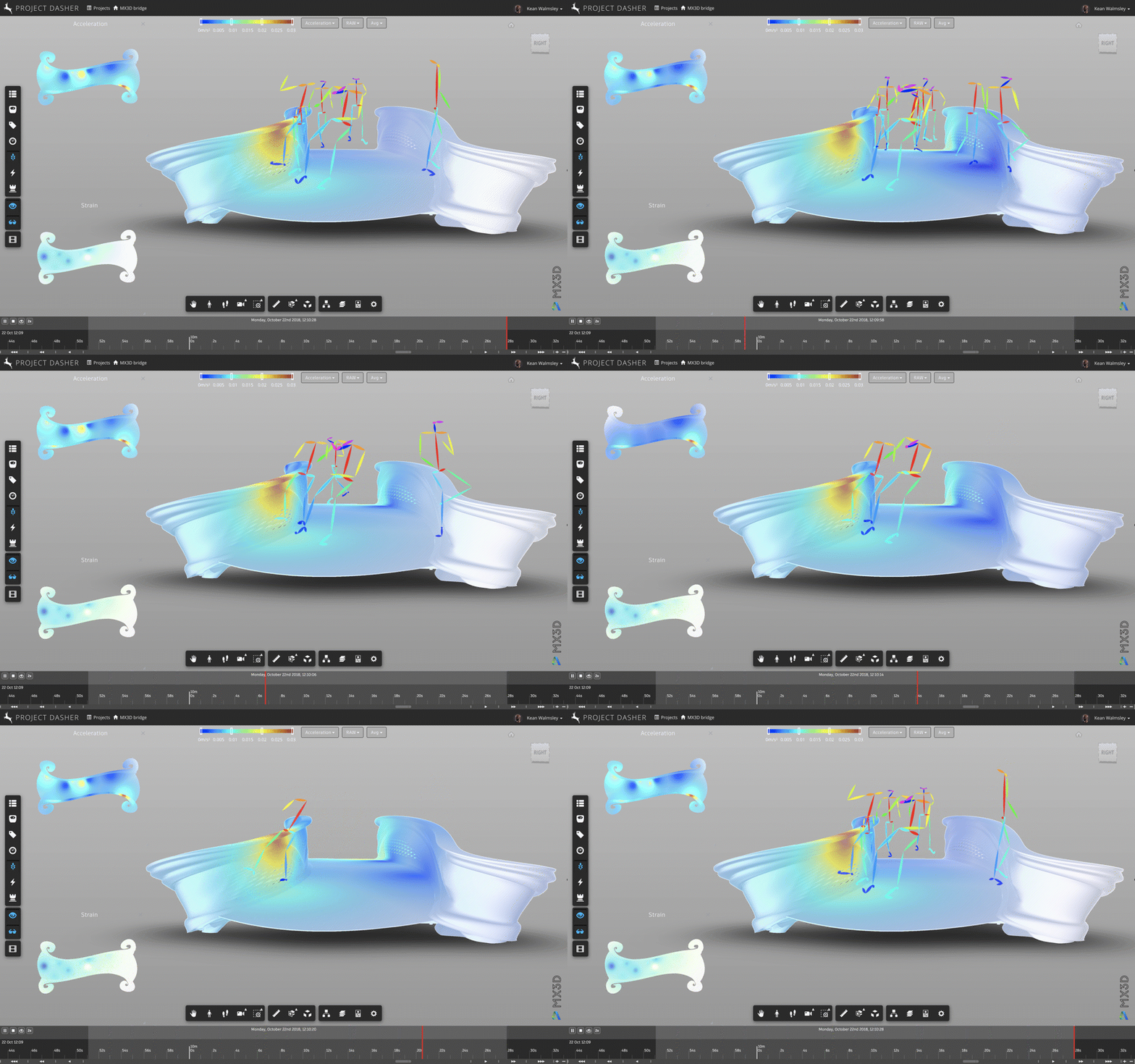
I also made sure it works for non-building models (i.e. which don't have floors). Here's a view of different heatmaps for the MX3D bridge, for example, which look particularly cool due to its flowing shape.
As mentioned earlier, this mechanism is currently helpful for displaying sensor data for a single floor of a building model, but clearly some thought is needed to make it possible to show data for various levels at the same time. In a future post we'll take a look at possibilities around "pinning" heatmaps for a particular level/sensor-type combination, which should go some way to enabling this kind of exploration (assuming the UX complexity doesn't prove prohibitive).
Leave a Reply