After taking a look at Project Memento, last week, using it to manipulate a mesh I'd previously created with ReCap Photo, I decided to try out the latest update to the latter of these two tools.
The first thing to notice with this new, improved version of ReCap Photo is that it has its own portal showing your active projects: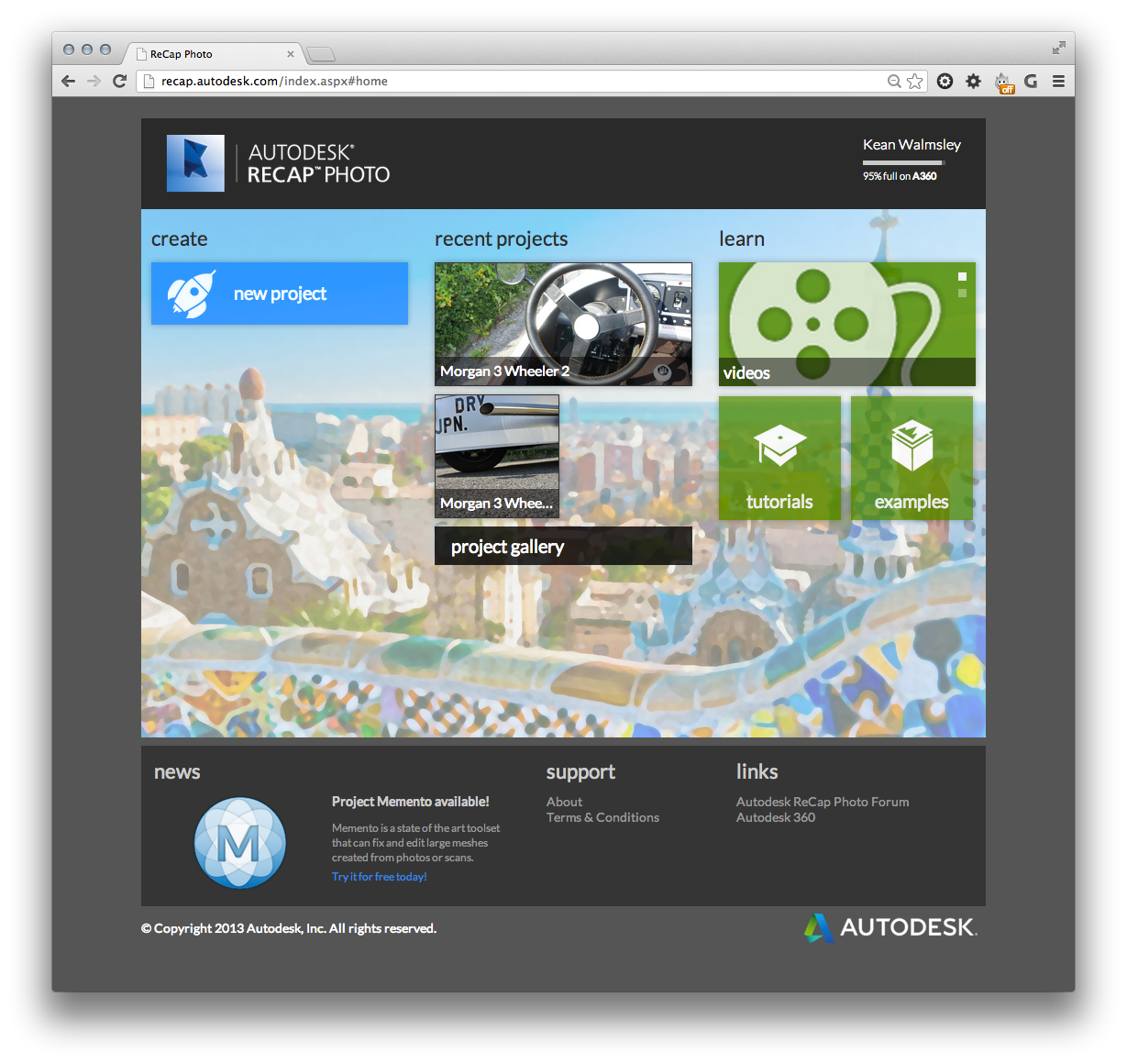
The tool itself works in the same way: you simply select multiple photos in Autodesk 360 and select "Create 3D model" from the action menu. In fact, all I had to do to try this new version was to resubmit the photo scene via the .RCP file and wait for the results to come back:
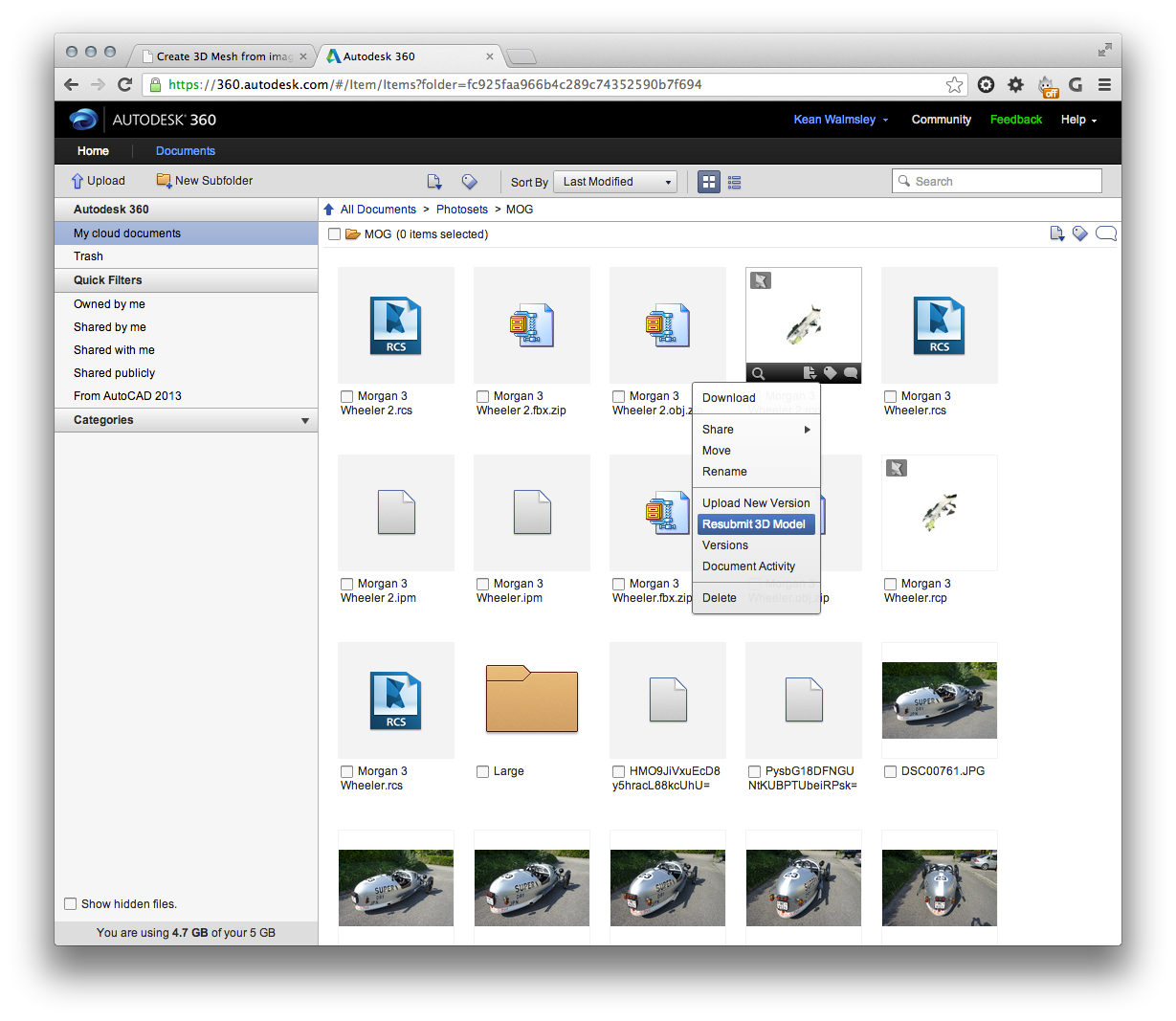
And the results do seem better: the quality of the mesh I get back – such as the detail on the wheels and especially the car's interior – is certainly much improved over the prior version.
I downloaded the hi-res .OBJ mesh, opened it in Project Memento and started fooling around with "detect issues", using the automatic capabilities for fixing them.
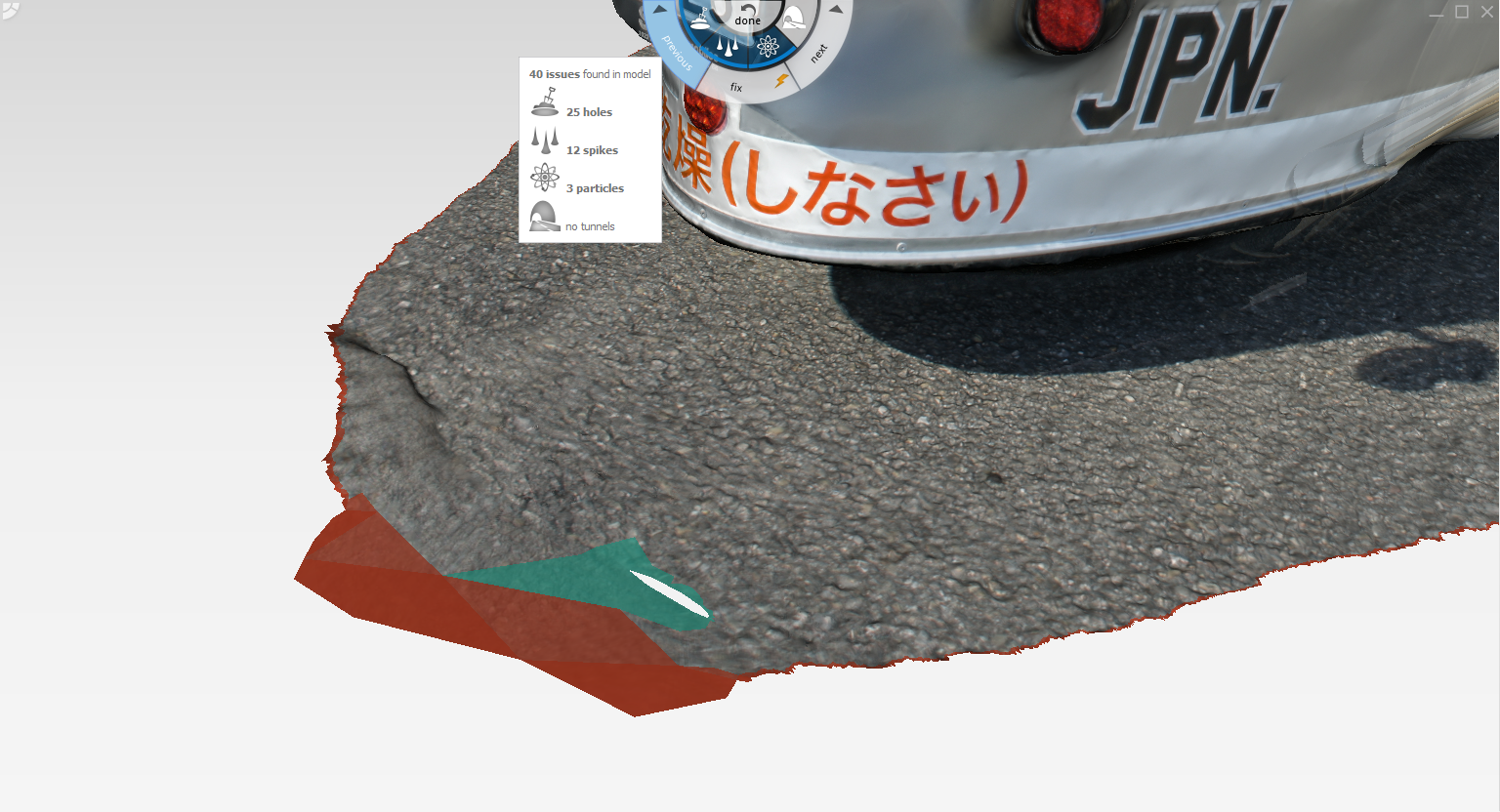
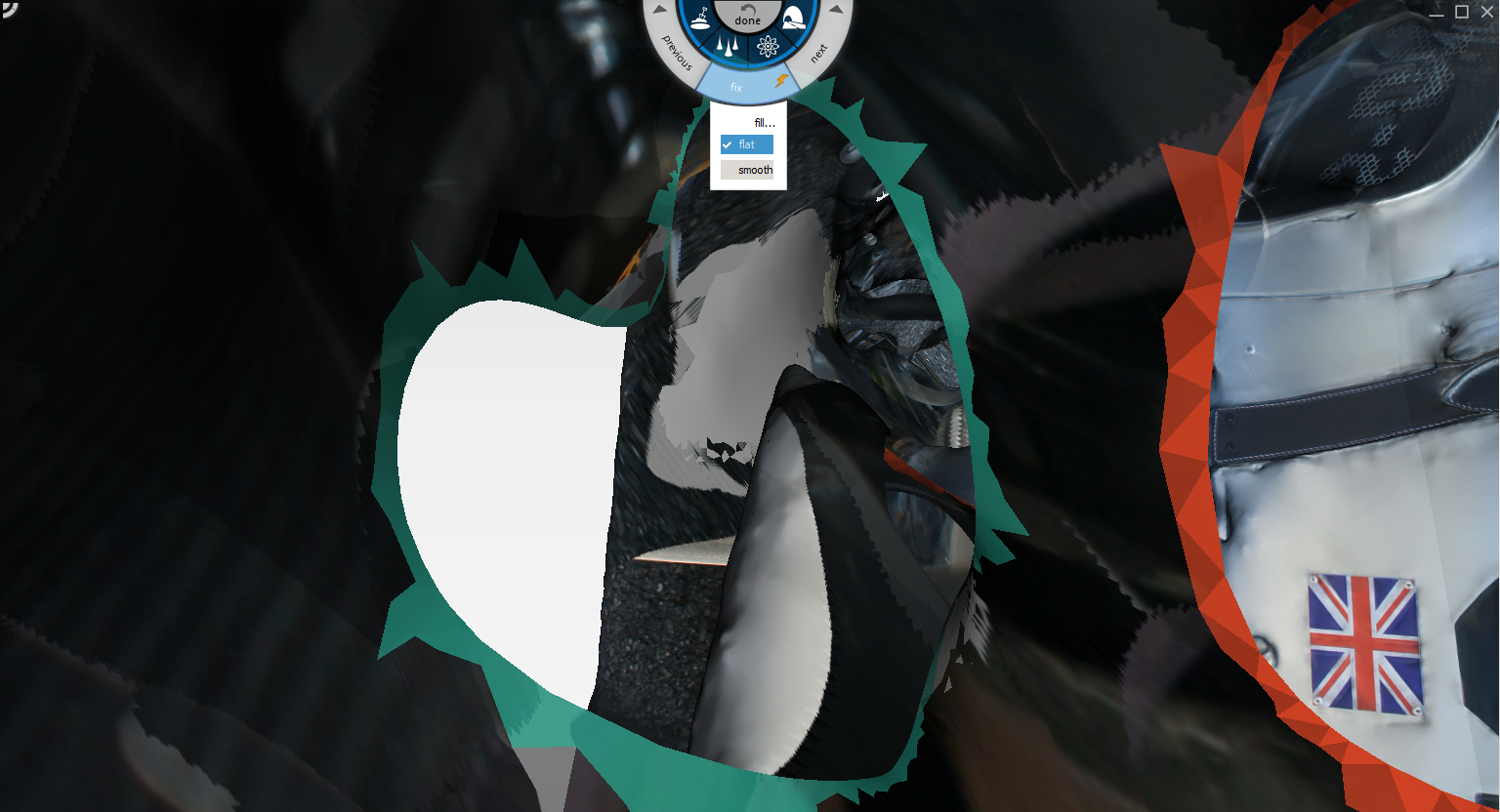
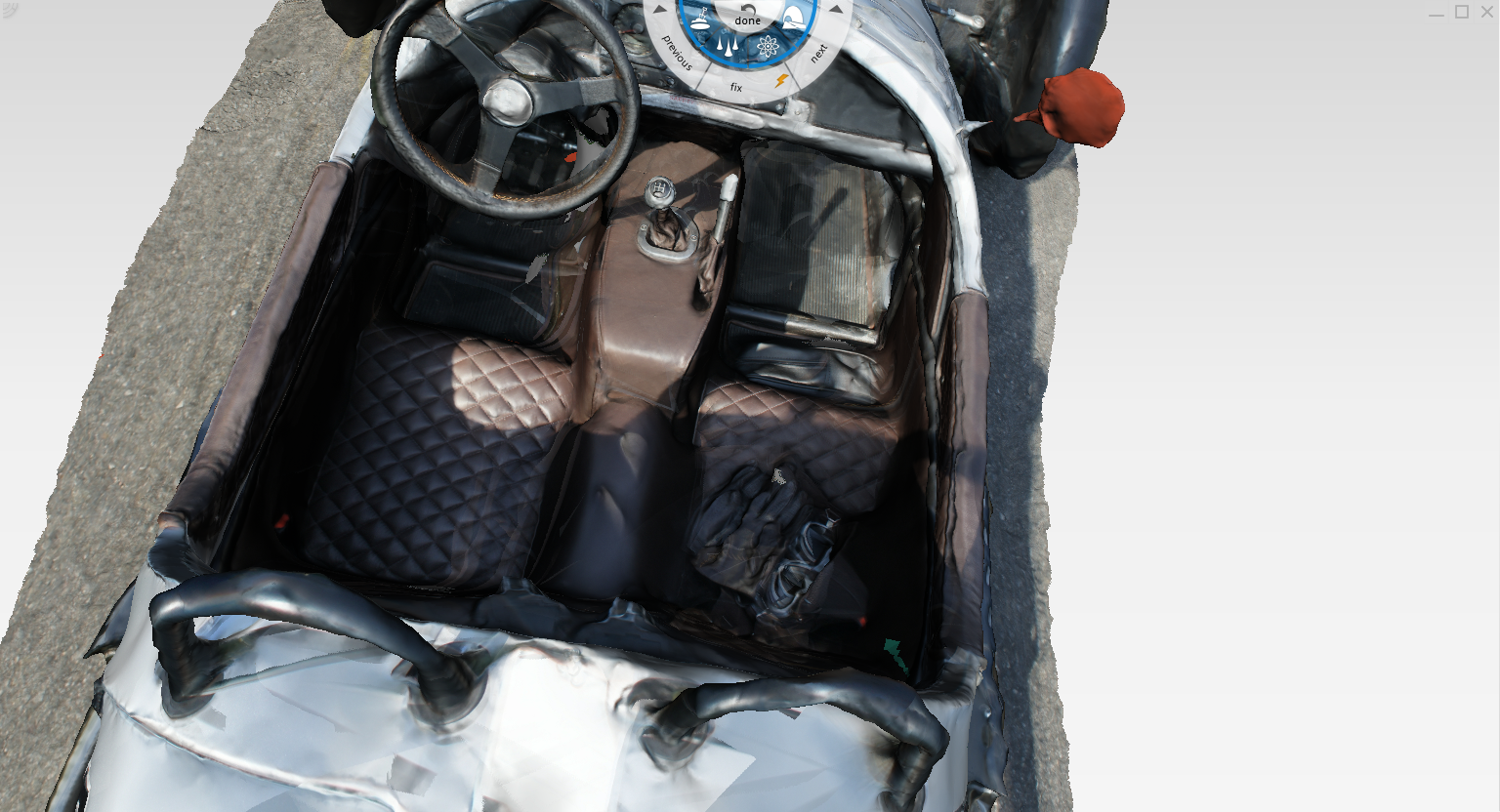
The detection tools seem fairly robust, although I admit to getting a bit confused when presented with defects that I'd already fixed when navigating through the list (I then managed to unfix a number of them by mistake). This is quite possibly down to user error, of course.
If you're interested in the area of 3D capture, be sure to take the opportunity to try both ReCap Photo and Project Memento while they're still available for free (in exchange for providing us with greatly appreciated feedback :-).


Leave a Reply