APS (Forge)
-
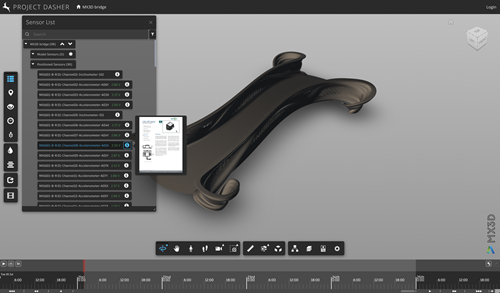
A couple of days ago we were looking for the datasheets for the various sensors installed in the MX3D bridge: as you've probably already read, there are nearly a hundred sensors in and on the bridge, although of only about eight different model types. My colleague Josh Cameron said, in passing, "it would be really handy to have these datasheets integrated into Dasher!". As usual, this sent me down a rather fun rabbit-hole for a day or so, to see how we might reasonably integrate these PDFs into Dasher. Firstly it's worth pointing out that these days the Forge viewer…
-
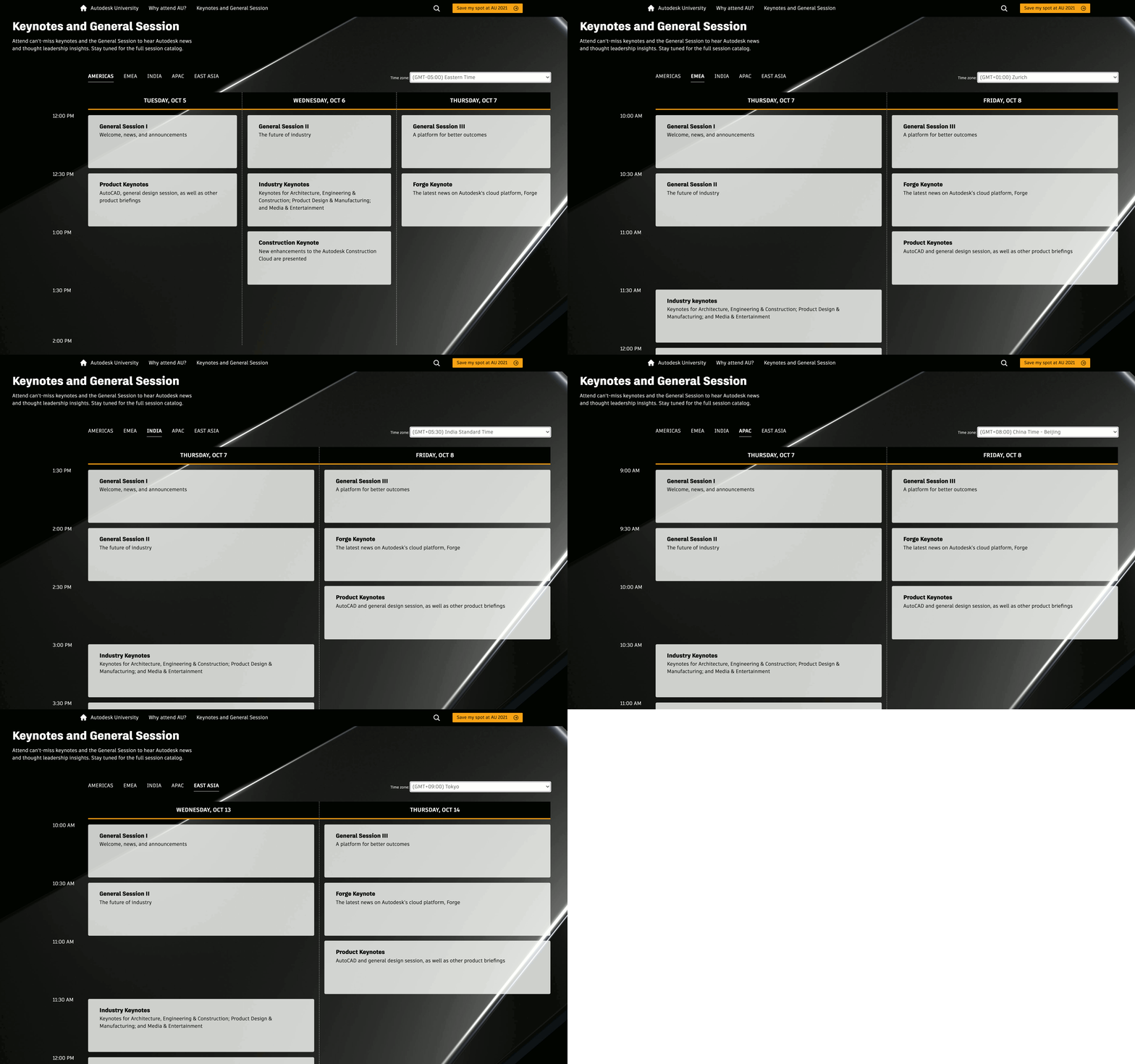
The count-down to Autodesk University 2021 continues, with registration for the event now open. I've gone ahead and registered, as I expect many of you will at some point during the remaining 54 days. It's free, after all, and I'm sure will have lots of great content, as usual. Be sure to put the dates in your calendar – October 5-7 for the Americas, October 6-8 for EMEA & APAC, October 13-14 for East Asia. The timing of this year's event – being several weeks earlier – means that it falls during our children's half-term break. This year – all…
-
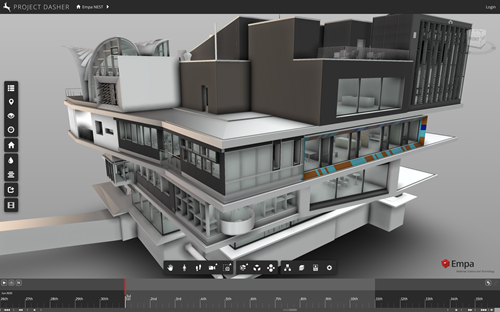
The big news on the Forge side of things over the last few weeks is probably the official release of SVF2. This is a more efficient streaming format the Forge viewer (from v7.25 onwards) can consume. We've been using SVF2 (which was previously known as OTG) for the last couple of years inside Project Dasher, and it's been brilliant. If you're interested in the technical details on SVF2, be sure to check the blog post that announced the SVF2 Beta from late last year. Just for instance, we've seen significant performance improvements from using SVF2 for our public demo using…
-
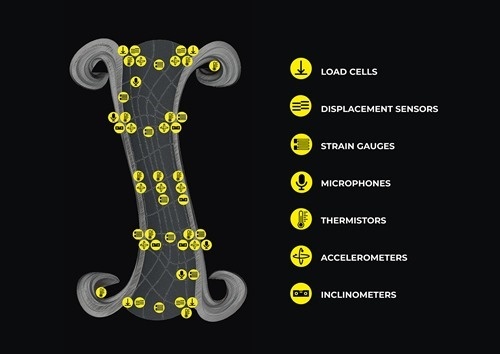
The MX3D team first showed the smart bridge to the public back in October 2018 at Dutch Design Week in Eindhoven. I was there with the team to finish and test features such as realtime display of skeletons detected using computer vision. Here's a reminder of how that went: An interesting aspect of the public's response to the bridge at DDW2018 was that it had broad appeal to people but that people appreciated different aspects of the project: The majority view: "wow, what a cool-looking bridge!" Those who dug a little deeper: "it was 3D-printed by robots? Interesting…
-
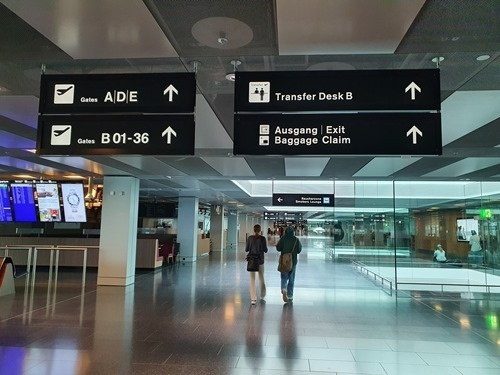
On Wednesday afternoon I headed back across to Zurich airport for my second trip to Amsterdam in as many weeks. This time I was flying with Swiss rather than KLM, and ended up checking in and boarding through an area of the airport I didn't recognise at all. Whether this was because it had been so long since I'd been there or due to some deep refurbishment being completed during the pandemic remains to be seen. By the time I arrived in Amsterdam, things had progressed significantly with the MX3D bridge. Here's a fun staged photo by Thijs Wolzak showing…
-
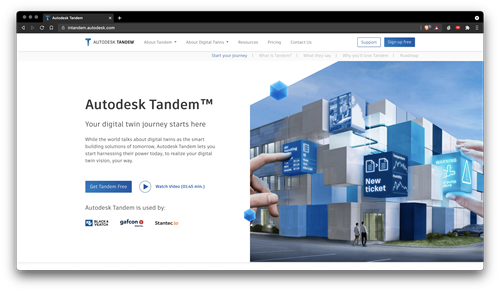
These are busy times in the world of digital twins at Autodesk! I'm thrilled to see the news that Autodesk Tandem has now officially launched. Head on over to the new landing page, intandem.autodesk.com, to find out more, or check out Bob Bray's recent article. A few people have either been congratulating me or asking how this relates to Project Dasher, so I think it's worth clarifying the situation. Tandem is not Dasher, although I'd love to think that the Dasher story at least in some way influenced or inspired Tandem's trajectory. Tandem solves a fundamental industry problem that we…
-
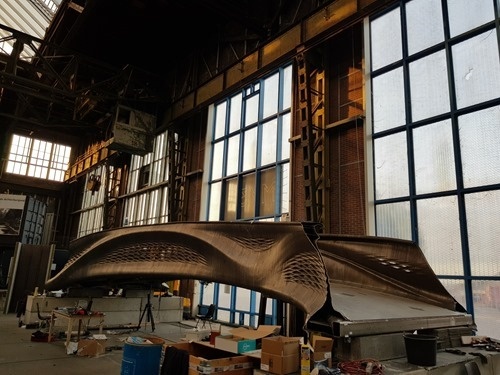
This weekend I had a very strange task to perform: I had to book travel for work. Remembering how our corporate travel system worked was just one hurdle to cross – beyond that I had to deal with getting the appropriate management and travel department approvals, along with the fact I've booked a separate ticket for my 16-year old son to come along, and wanted to be 100% sure that we're on the same flight. Was life really this complicated pre-pandemic? I'm sure I'll get used to it all again, before long. The reason I'm travelling is pretty exciting, at…
-
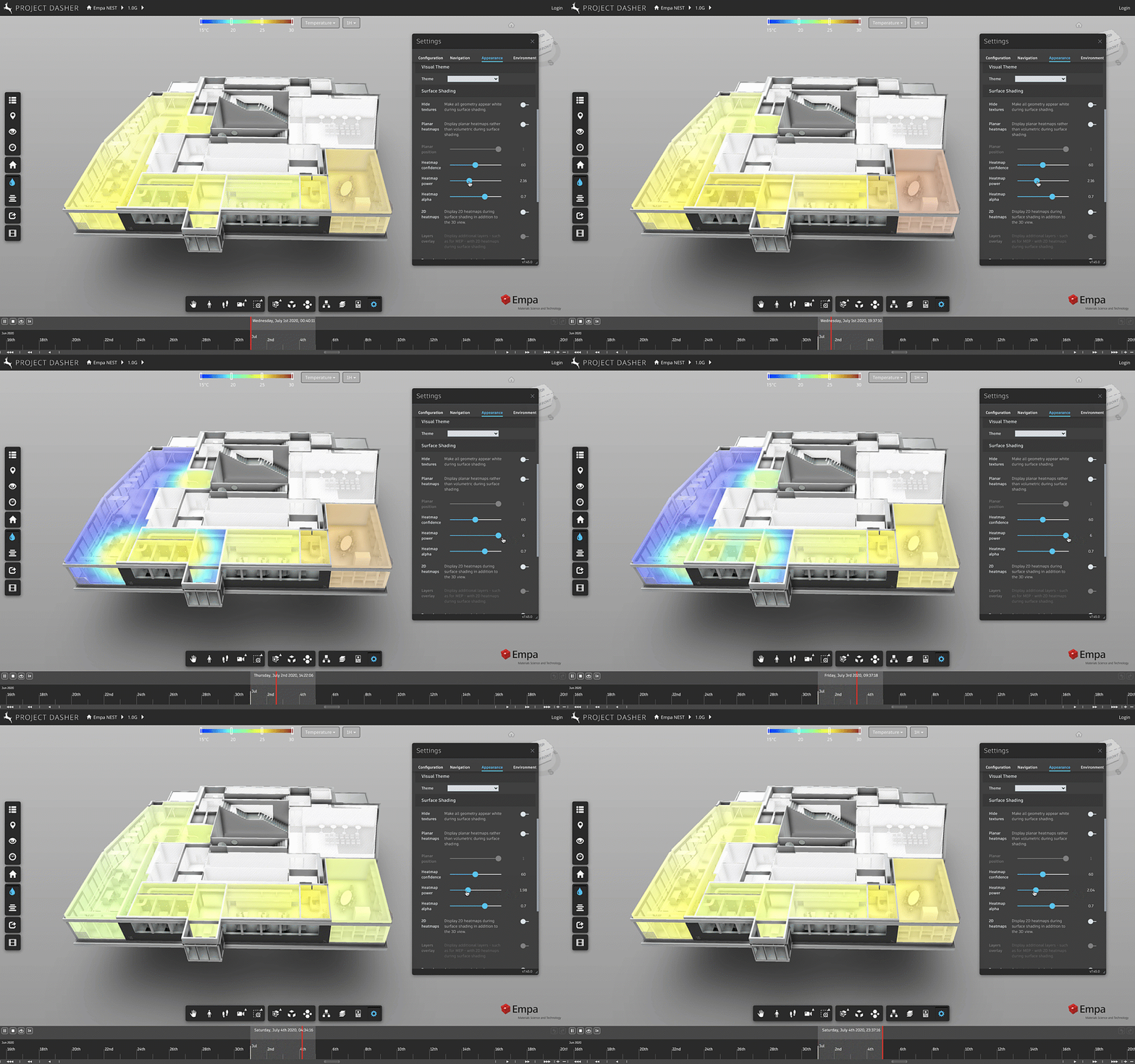
I've been heads-down on a side project to integrate a C++ library into Forge using Web Assembly (hopefully I'll share more on this sometime soon). Thankfully while I've been busy on that, the Hyperion team has been beavering away on some changes to their core shader. Last week I realised – now that we have controls to adjust the confidence and power settings in the shader – that rooms with just one sensor have a uniform shading style. This was a deliberate choice we made, back when we initially implemented the shader, as we felt it would help highlight the…
-
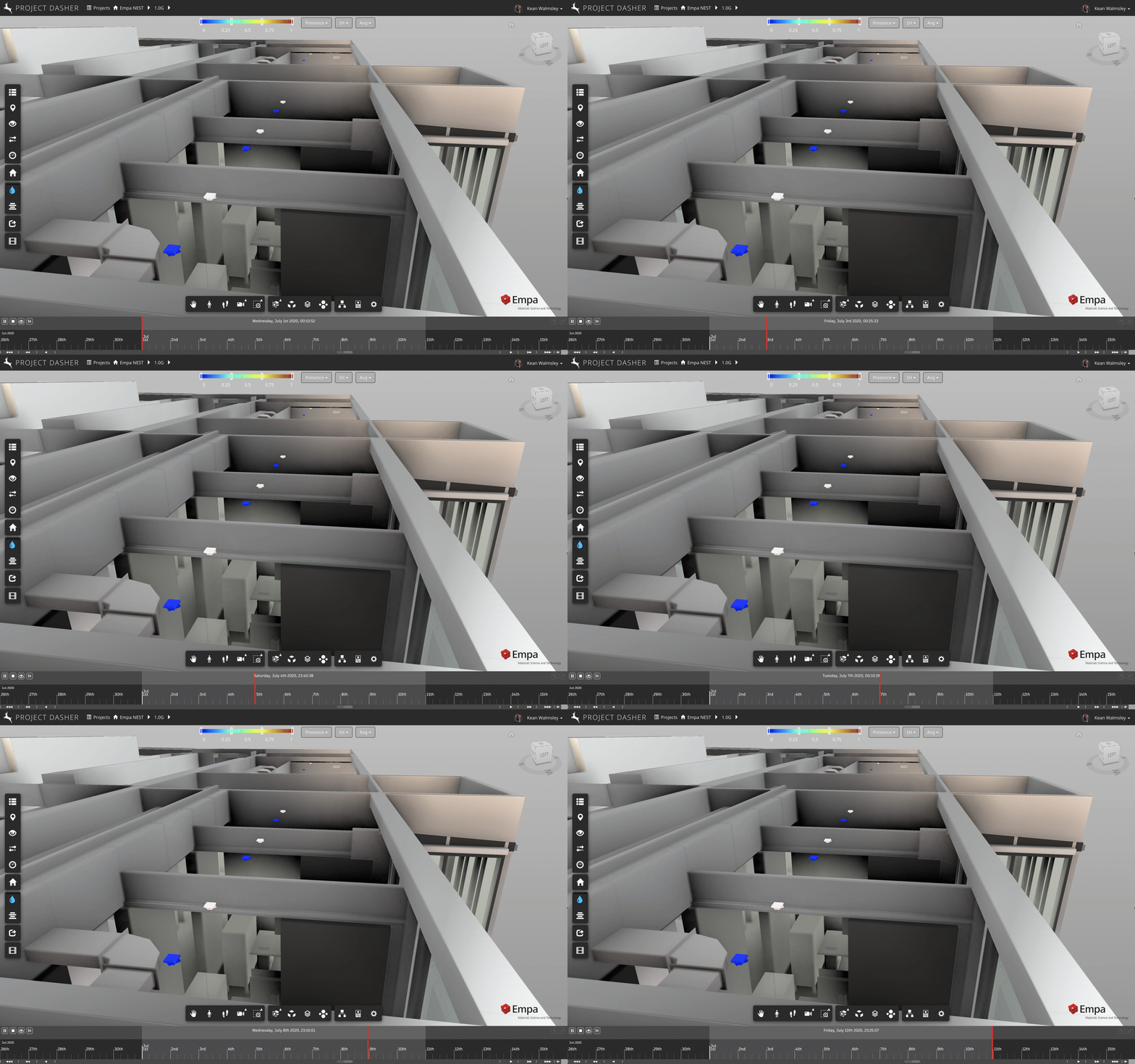
In the first post in this series we looked at how a heatmap can be used to shade an object using the Forge viewer's Data Visualization Extension – or Project Hyperion. In our case we shaded the surface of the MX3D bridge. In this post we look at a slightly different use-case for this mechanism, where we want to shade a piece of geometry inside the model based on the value of a particular sensor. To be clear: this is about shading the entire object a uniform colour that varies based on the value of the sensor that's providing the…
-
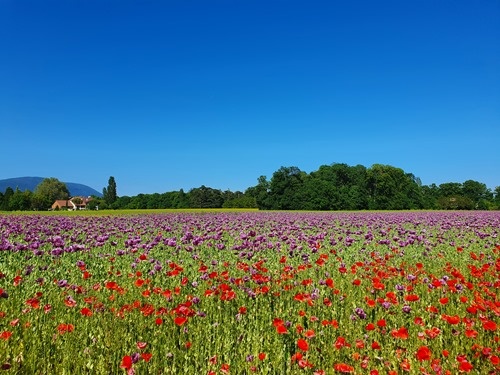
Summer has finally started kicking in, here in Switzerland, which is wonderful. I saw this field of poppies, yesterday, which was simply stunning: the majority of the field was purple with a small border of red ones near the edges (although this doesn't really come across in the photo). I hadn't seen these poppies before, so did 30 seconds of Internet research to find out they were Papaver somniferum, commonly called the opium poppy. (It seems more likely that the field is being used for edible poppyseeds than being a hotbed of Swiss opium production, though.) Anyway, as the summer…