Autodesk
-
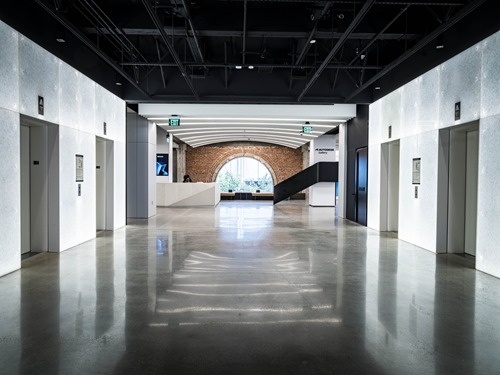
Last week this announcement was made that included a video showing off the sparkling new Autodesk Gallery at our 1 Market Street office in San Francisco. There's a lot of inspiring content in the new Gallery – for instance it showcases the results of Autodesk Research's collaboration with NASA JPL, the generatively designed interplanetary lander, and the scanning robot from Forge partner Scaled Robotics – but I wanted to highlight a project that I've participated in quite a bit, over the years, and I'm super-happy to see has a place in the stunning new Gallery: there's a scale model of…
-
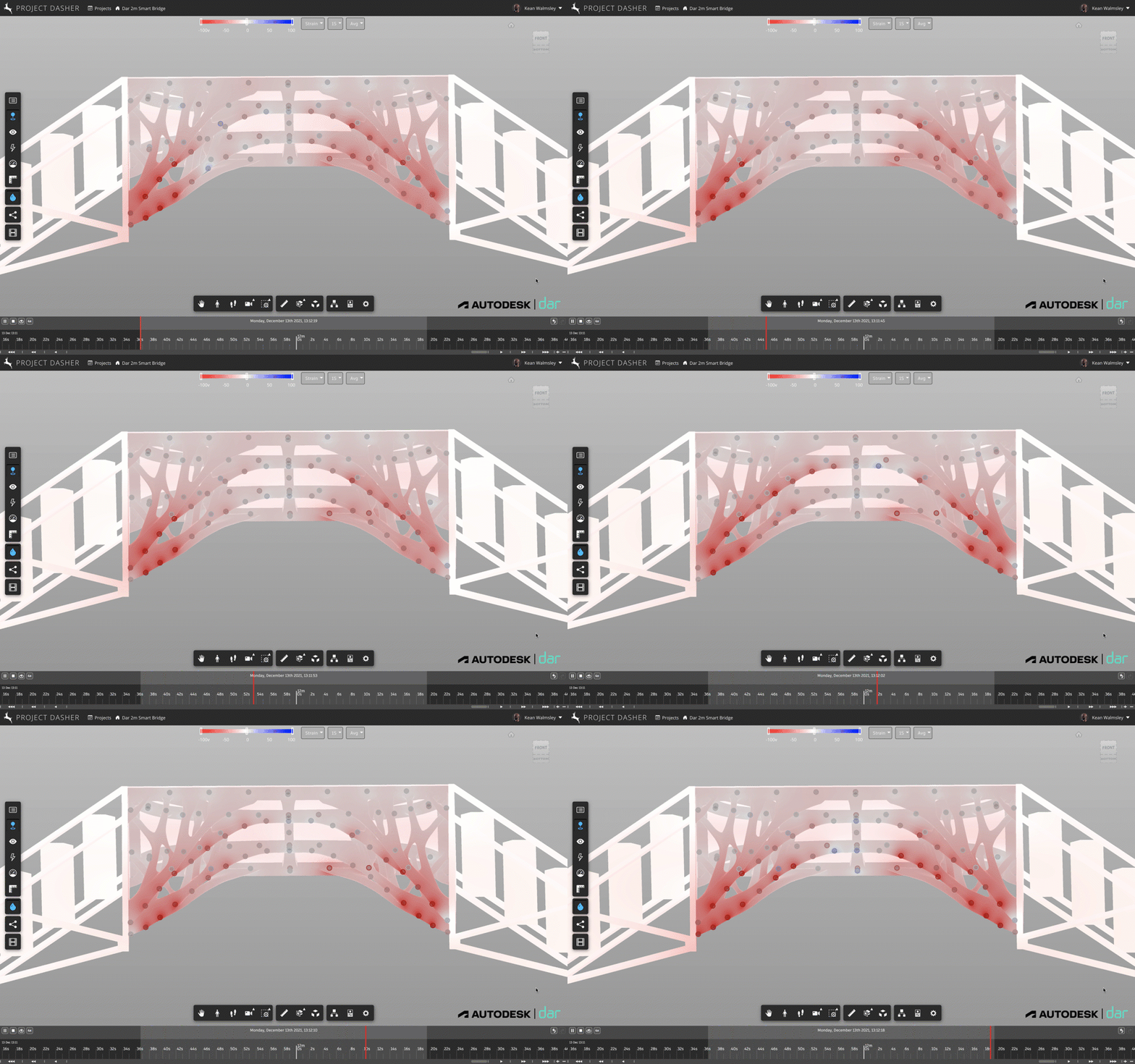
Our friends at BIM Fórum Brasil have now posted the recording of last week's event on Digital Twins. (If the last link says "We Couldn't Find This Page", just click on the Brazilian flag in the page header.) A big chunk of the session is in Portuguese, but my piece was in English. If you only understand English, I suggest skipping forward to the 20-minute mark. If you've heard me talk about this topic before, you might still want to check out the section on the Dar Smart Bridge project at the 35-minute mark. (Be ready to crank up the…
-
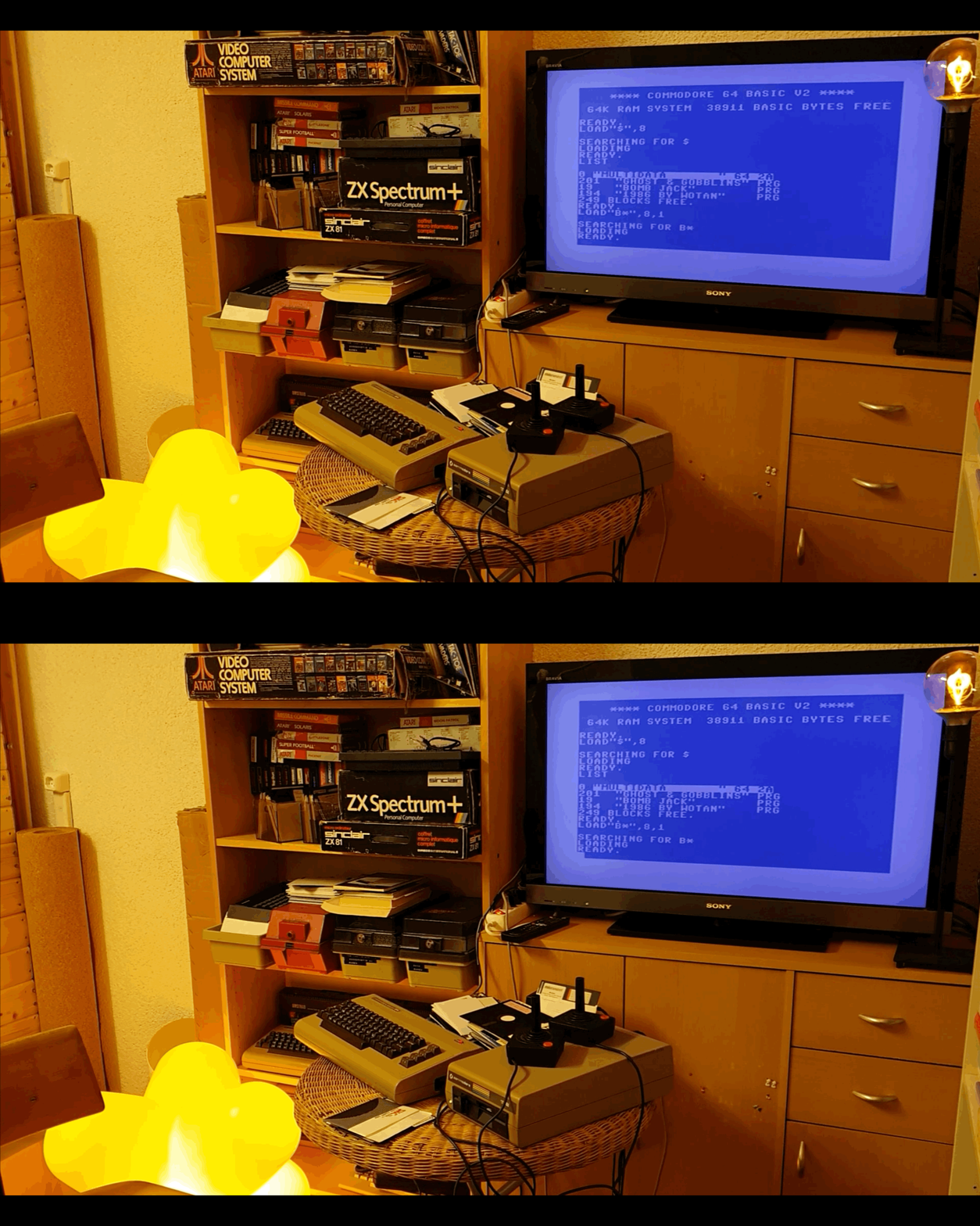
As I mentioned last week, Autodesk turned 40 yesterday. In anticipation of this milestone, Shaan Hurley and the Autodesk Community team organised a fun online get-together on Friday for people to join and get nostalgic about the good old days. Shaan asked me to prepare something Floppy Friday-related, so I went and created a Floppy Friday Zoom background that I used during the event. Here's a GIF version, in case you're interested. At its peak there were around 70 people in the call. It was so nice to reconnect with people after such a long time. It would have been…
-
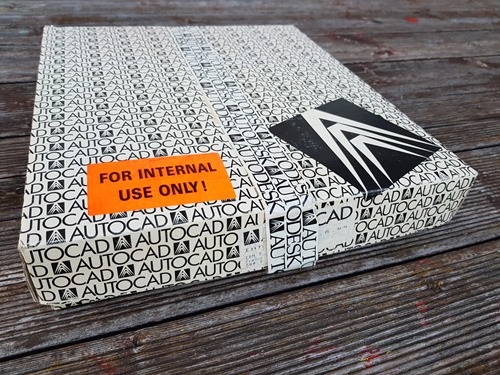
As many of you will have heard on social media, Autodesk turns 40 this year. More specifically this coming Monday, January 30th, is the 40th anniversary of the original organizational meeting held at John Walker's former home in Mill Valley, California. (You can find details in this recent post from John.) The anniversary of Autodesk's official incorporation and initial stock distribution is on April 26th, but Autodesk as an informal entity already existed from the end of January. Although the company wasn't called Autodesk at that point, as that wasn't fixed until some time in April… among the other candidate…
-

I've been asked to talk about our work on Digital Twins (or Gêmeos Digitais) at the BIM Fórum Brasil event, on Wednesday of this week (January 26th, 2022). The event starts at 10am in Brasilia, which is 2pm in Central Europe, so the timing should work well for Asia, Europe and early birds on the east coast of North America, too. I'll be sharing information on our older projects, as usual, but I'm also planning to showcase some of our more recent (previously unseen) projects. So there's likely to be new information even for people who have seen me talk…
-
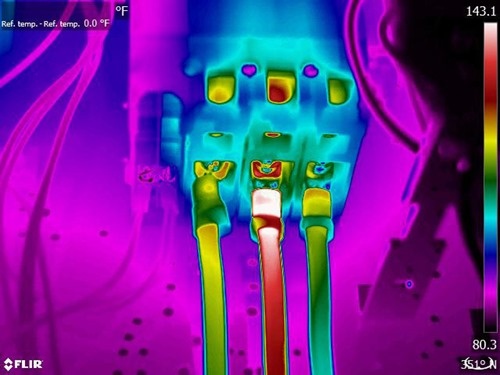
In the last post we looked at how it's possible to take temperature data from a thermal image and use the Data Visualization Extension to connect that information to locations in a 3D Forge viewer scene. In this post we look at how we can use the events from the same extension to display a simple tooltip showing the temperature when one of these locations is hovered over. Let's start by looking at what we get from the thermal image. It's pretty simple: we have colour. As we're averaging a number of pixels it's likely to be on a gradient,…
-
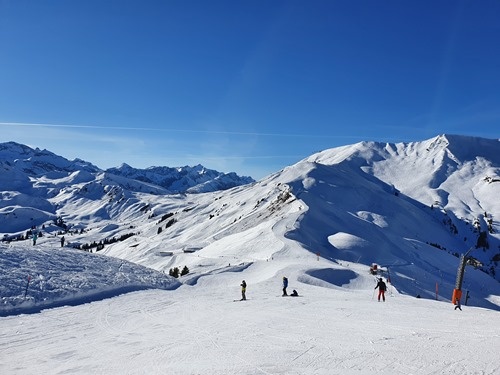
I've now been back at work for a few days after an extended holiday break, so my head is back far enough above water for me to write a quick blog post. At Autodesk we were extremely lucky to have an extended holiday shutdown, this festive season, so employees around the world clocked off after work on December 17th. For me this meant a perfect opportunity to hit the slopes ahead of the Christmas rush. My kids were in school until the 23rd, but I managed have a few days hanging out on my own, up in the mountains, while…
-
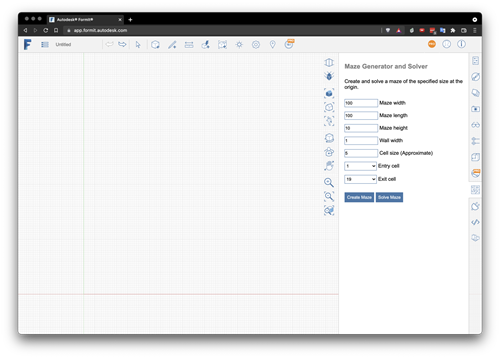
As a quick recap, here are the posts we've seen in recent weeks on this topic: Autodesk FormIt and its JavaScript API Introductory look at FormIt and the Maze Generator plugin. Using VASA with FormIt via Dynamo – Part 1 How VASA can be used within Dynamo for FormIt to solve mazes (etc.) in 3D. Using VASA with FormIt via Dynamo – Part 2 Applying the same principle with urban scenes imported by the 3D Context Creator plugin. In today's post we look at the fact that VASA can also be used directly from a FormIt JavaScript plugin – via…
-
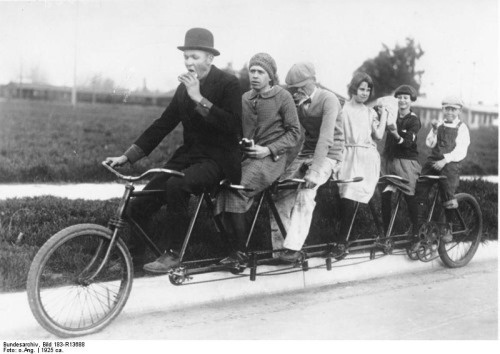
Photo credit: Bundesarchiv, Bild 183-R13688 / CC-BY-SA 3.0 I'm really happy to see that the Tandem team is hiring. And they're hiring into a really varied set of roles, so hopefully there's something in this list for everyone. 🙂 Customer Adoption Specialist Principal Software Developer Senior Software Developer UX Designer Senior UX Designer Technical Program Manager I'm pretty sure that all these positions are "remote-ready", although I believe from a timezone perspective the Eastern US is strongly preferred for at least the engineering-centric roles. I may have that wrong, of course, and I'll be sure to come back and correct…
-

The subject is basically a perfect description of my own situation, today, but I thought there might be others out there in the same boat (as it were). I have a feeling that more people will end up being stuck at home over the next few weeks, whether they like it or not. From my side I was very much looking forward to a trip to the UK, next week, where I'd have had the chance to catch up with my UK colleagues for the first time in-person in probably 2 years. And to join for the team Christmas Dinner,…