Web/Tech
-
The pre-recording of my DevCon 2025 class (which is basically identical to my AU 2025 class) is now live on YouTube along with other classes from the event. I hope you find the various recordings helpful, whether you were able to attend in person or not.
-

At the beginning of this week I recorded my class for Autodesk University 2025. It's largely a repeat from my session at DevCon 2025 in Amsterdam, so if you attended that class then this one won't be especially exciting (unless you're like me and a second watch of something is actually really helpful, these days!). Do you know my favourite thing so far about this year's conference? My "class ID" is 1980. For some reason this fills me with a great deal of satisfaction. Go figure. The in-person class will be held during the last session of Day 1 of…
-
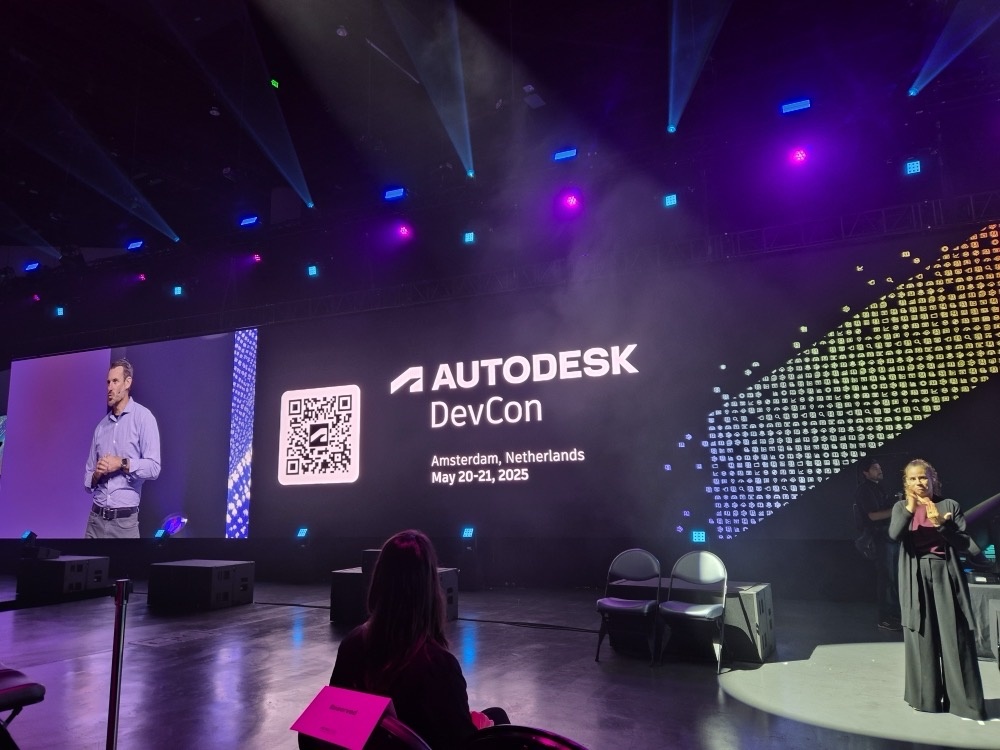
As I mentioned after the announcement at AU 2024, I was thrilled to see an Autodesk DevCon happening back in the fine city of Amsterdam. It'll be held from May 20-21, 2025. The last one I attended was the week (maybe a few days more) after I joined Autodesk, back in August of 1995. I wasn't actually presenting at that first one, if memory serves me right, I was assisting my colleague Jim Tinney with his presentation about the Autodesk WorkCenter API. The event was held in a super-fancy Japanese hotel in Amsterdam - at least it certainly seemed that…
-
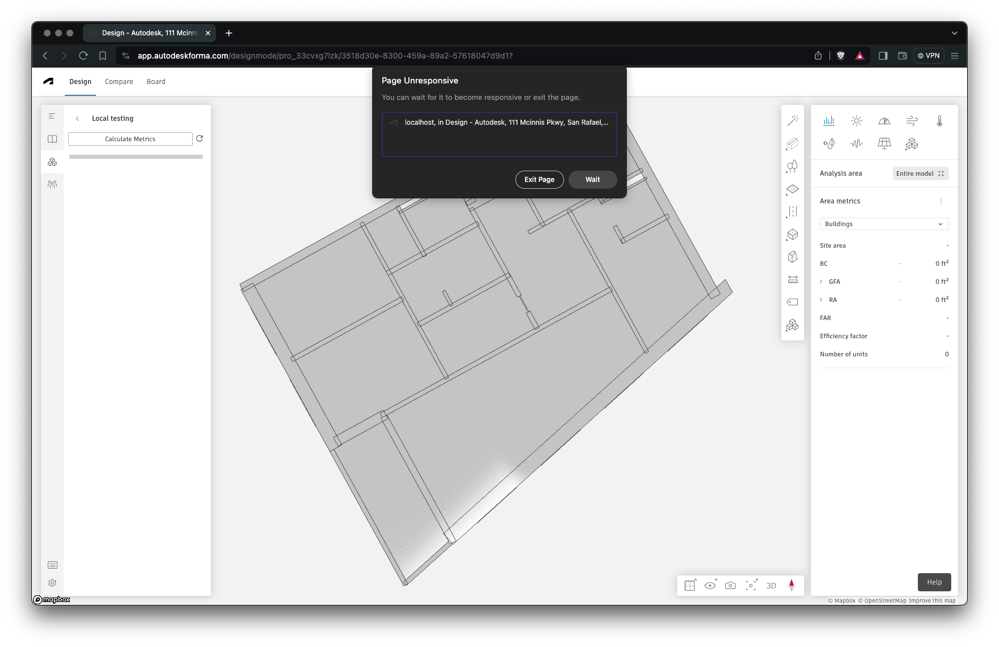
The topic for this post relates to a project I've been working on for a few weeks, now. We've taken a complex set of spatial analyses - that use our favourite voxel-based architectural space analysis Dynamo package, VASA - and have translated them to work directly in the browser. (This translation process isn't really the subject of this series, but it's pretty interesting, nonetheless, and it's mostly what I was working on during the recent trip to Munich for the DevCon. Most of the Dynamo code was fairly easy to translate, although things like the automatic lacing of nodes meant…
-
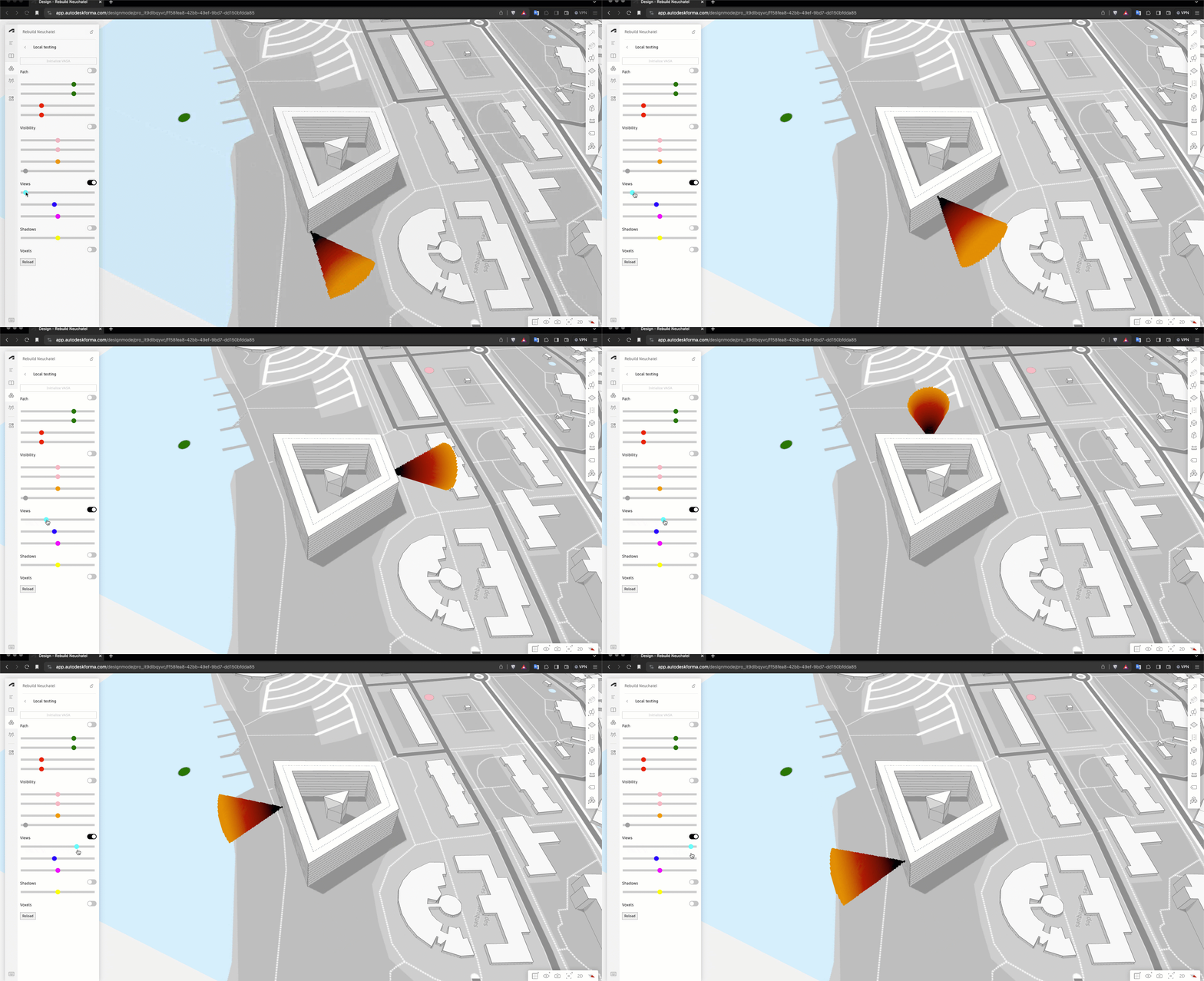
This week I've been continuing some of the work I did during the recent Forma Hackathon in Oslo. Part of this was using the Forma Elements API to extract information about buildings included in the "proposal" being developed. For the Hackathon I'd hardcoded the size of the buildings - the number of floors and the heights of each floor - but the Forma team (thanks, Vilde!) has been helping me figure out how to get this information from Forma. In a nutshell, it's possible to get the grossFloorAreaPolygons for the building of interest and then analyze the associated data: the…
-
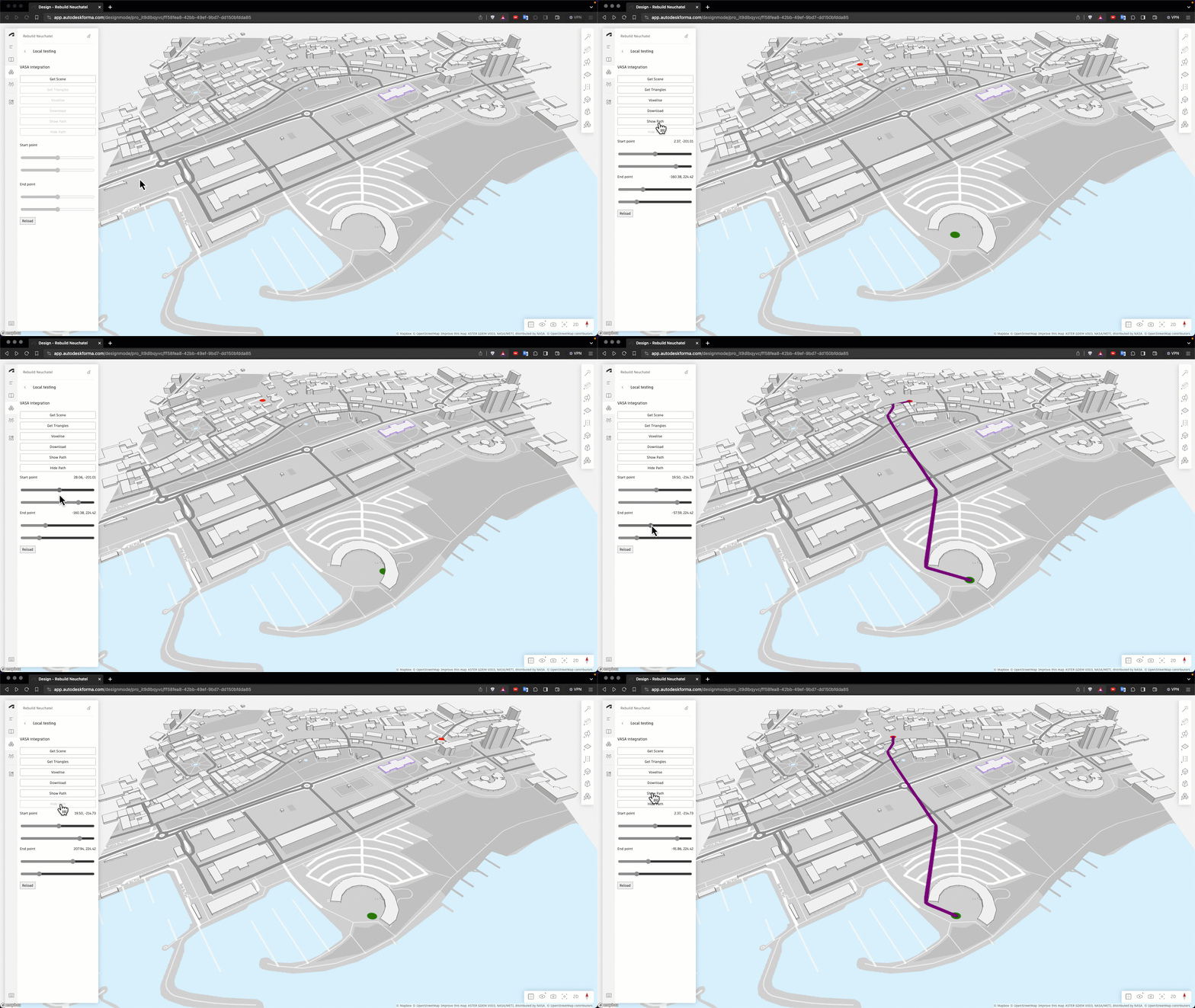
In the first post in this series we looked at an approach for exporting Forma geometry to an STL file that can be loaded into Dynamo and analysed using VASA, our Voxel-based Architectural Space Analysis toolkit. The overall goal is to be able to use VASA for urban-scale analysis of the site context. (Later on I hope we'll also be able to work with more detailed architectural geometry as the level of detail in Forma evolves.) In that post I also alluded to something that's coming soon which will streamline the above workflow: you'll hear more about that at AU…
-

The Autodesk Platform Services – formerly known as Forge – team is holding one last Accelerator in Europe before the holiday break. It's going to be from December 5-9 in Dublin, Ireland. You can register until November 28. As always these events are a fantastic way to kickstart any new project using APS (Forge) or to accelerate feature development of an existing one. It's basically 5 free days of consulting from Autodesk – all you have to pay for are travel and accommodation. I was already planning a last trip (of the year) to the UK for the following week,…
-
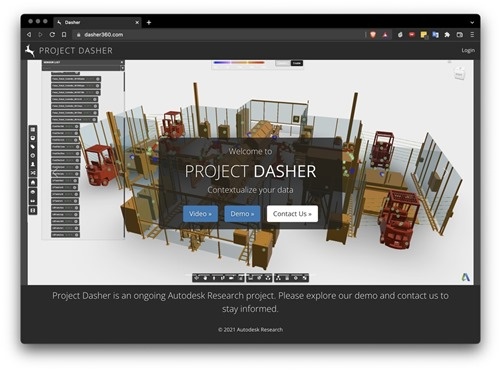
Back in September I talked a bit about using a plugin for Rollup – the package bundler we use for Project Dasher – to start optimizing the bundling and delivery of JavaScript code. Over the last few days I've come back to this topic, as I felt it was time to dig into some issues. Dasher has three primary pages: The index page, where you arrive when you visit the site. The projects dashboard, which you can access if you have login credentials for the site. The Dasher viewer page itself, which most of you will have accessed via the…
-

I've been part of Autodesk's open source committee – responsible for driving and approving open source contributions by the company – as the representative for Autodesk Research for the last few years. One of the most interesting projects to come through the committee – at least from my perspective – has now been released into the wild: Autodesk's Visualization team (who also develop the Forge viewer) has open-sourced an implementation of the USD toolkit that targets the web. For those of you unfamiliar with USD – and I'm talking about the file format, not the currency – it stands for…
-
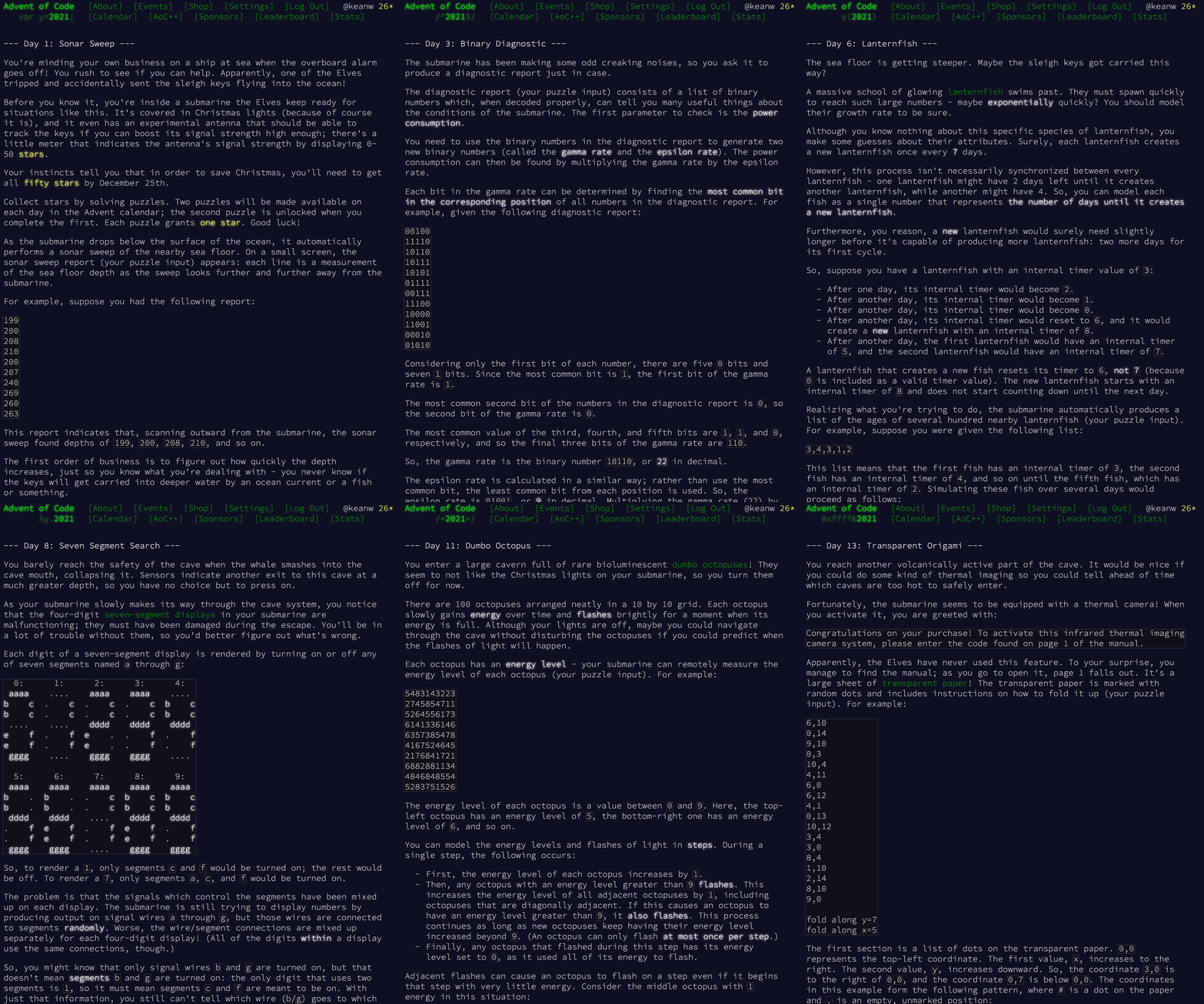
My old friend Simon Breslav pointed me to Advent of Code a week or more ago, but at first I was hesitant. Where would I find the time to tackle a daily coding challenge that wasn't related to work? Would I even be up to the challenge, given the fact I'm not coding full-time and may not be up-to-date with the latest techniques? Here's a speech by the creator of Advent of Code, Eric Wastl, where he talks about the origins of AoC from back in 2015, and how it's gone from strength to strength since: Anyway, come Friday evening…