VASA
-
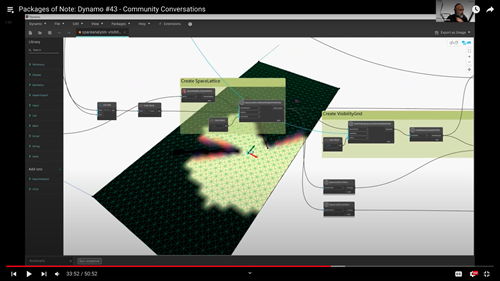
Last week Rhys Goldstein and I had a blast joining Sol Amour and Jacob Small during the Dynamo Office Hours session on Packages of Note, something I mentioned in a recent post. We spent some time stepping through a few samples for both Space Analysis and VASA, to give a rough sense of what's involved in using each. Next week I'm heading over to Denmark for the first half of the week, where I'll be attending the APS Sustainability Accelerator in Copenhagen. If you're going to be in Copenhagen next week and want to meet up for a…
-
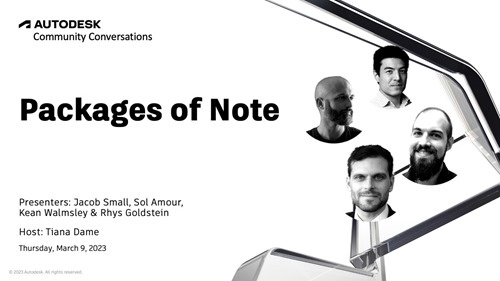
During the next Dynamo Office Hours – being held on March 9th, 2023 at 1pm EST – Rhys Goldstein and I will be joining Tiana Dame, Sol Amour and Jacob Small to talk about "Packages of Note", which will include an introduction to the Space Analysis and VASA packages. I'm sure it's going to be a fun event – it's always a blast catching up with Sol and Jacob – and a good chance to learn about a few Dynamo packages developed and maintained by Autodesk. The focus will be on introducing the various packages – rather than going into…
-

In a recent post, I mentioned that I've been asked to help lead our efforts in a particular area of research. I was deliberately vague at the time. Now, with Autodesk University 2022 around the corner, it seems a good time to say more about this. I hope it stimulates some interesting discussions at the event. As a company, one of Autodesk's core interests is to enable the design and creation of healthier, safer, more resilient spaces. We want to explore tools for designers and architects that help them create buildings with more attention to the occupants. In the past,…
-
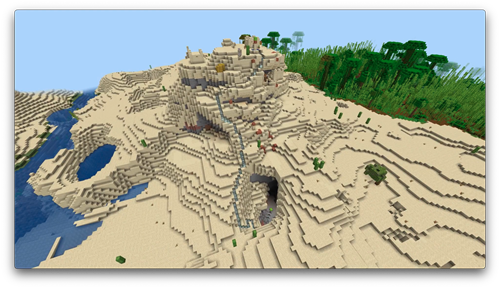
Followers of this blog will have seen me mention the Voxel-based Architectural Space Analysis (VASA) package (you can find all the posts about it here). VASA is a toolkit that allows you to voxelise and analyse 3D geometry, whether for pathfinding, visibility or daylight analysis. The big news of the day is that Autodesk Research has managed to port VASA across to work with the popular voxel-based creation environment, Minecraft. This actually was pretty easy, as we could completely ignore all the code needed to voxelise a 3D environment from the codebase and focus on the analysis side of things.…
-
I've gone ahead and submitted two class proposals for Autodesk University 2022. If you think they should be part of this year's event, I'd certainly appreciate you voting for them: Voxel-based Architectural Space Analysis inside Dynamo Autodesk Research first created the Space Analysis toolkit - and its accompanying Dynamo package - to support 2D generative design workflows such as those used during Project Discover for the architectural layout of Autodesk's Toronto office. VASA - short for Voxel-based Architectural Space Analysis - takes these techniques to the next level, allowing the geometric exploration of architectural spaces in 3D for activities such…
-
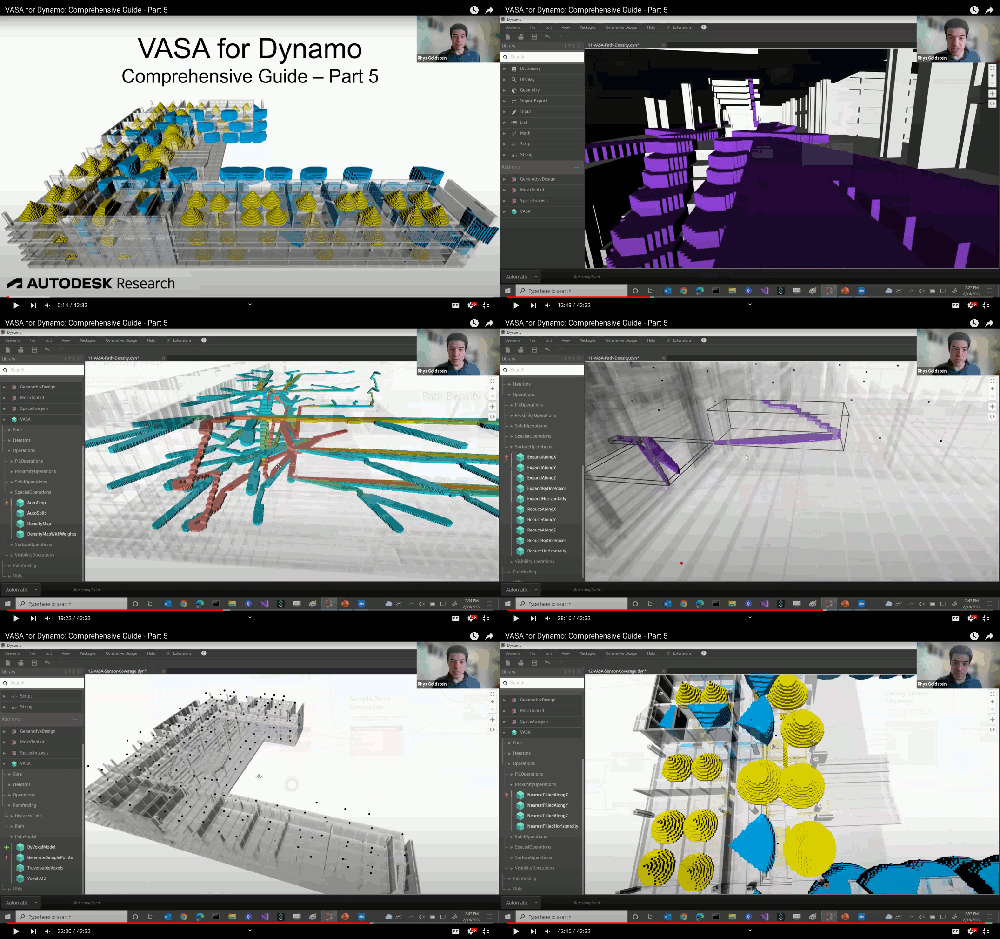
Rhys Goldstein has now published Part 5 in his video series on using VASA. In it, Rhys walks through the latest two samples that come with VASA 0.2.0, one of which I talked a bit about in a recent post. Both samples make use of sample points – one in the context of aggregating path information, while the other uses them (as we've seen) for sensor placement. Both workflows have significant potential for use in the context of generative design – something I hope to dig into at some point in another post. Hopefully you'll find this video…
-
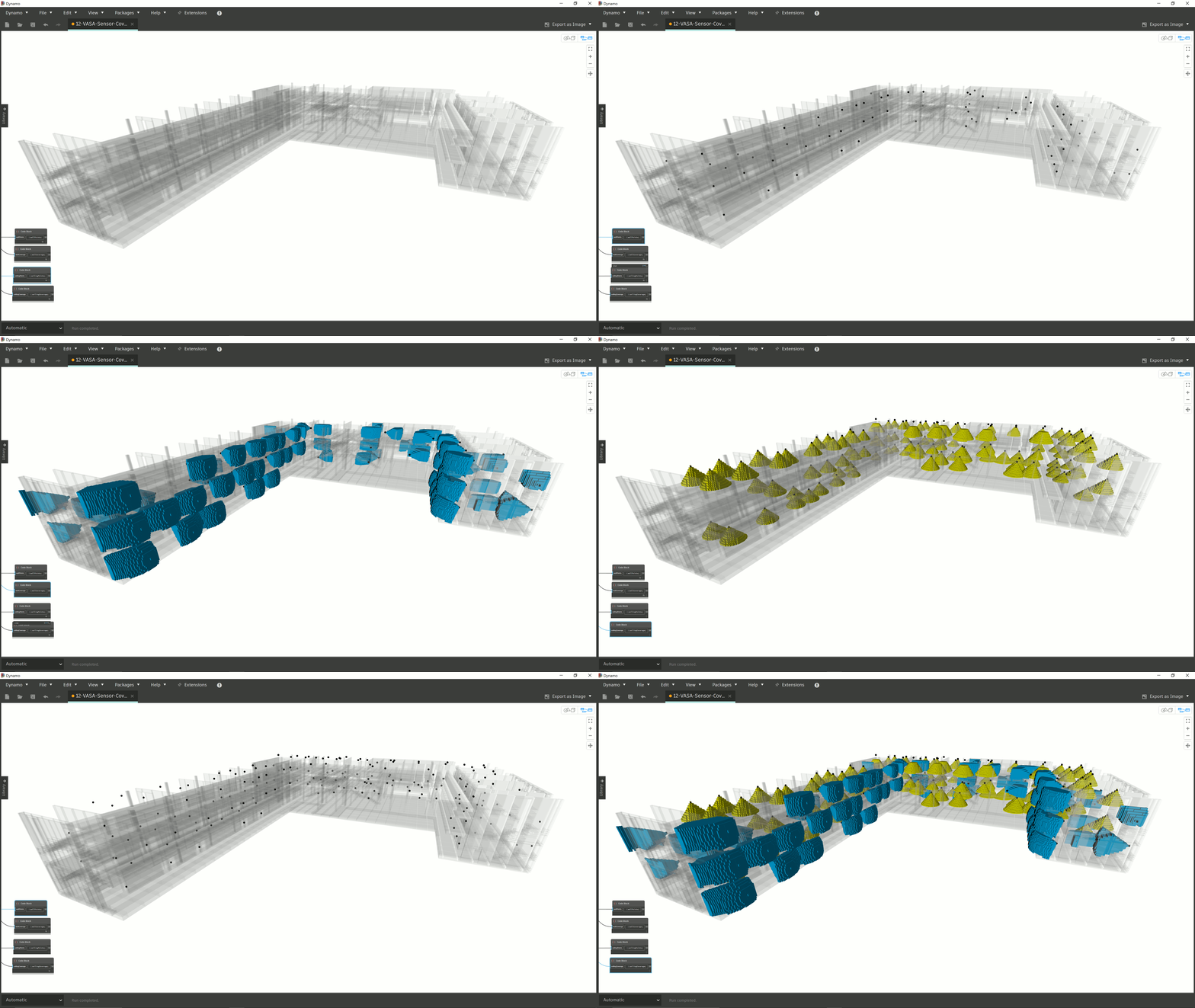
Last week I mentioned the release of VASA 0.2.0, which includes some new nodes and samples that raise some really interesting possibilities. I couldn't help but come back to the "sensor coverage" sample (named 12-VASA-Sensor-Coverage.dyn), in particular, as I can see so many possibilities for its use. Here's the description Rhys Goldstein included in the sample: A demonstration of how to combine sample point generation and proximity operations to select locations on walls and ceilings using the Voxel-based Architectural Space Analysis (VASA) package. In this example, the locations are used to place sensors and approximate their coverage. First, sample points…
-
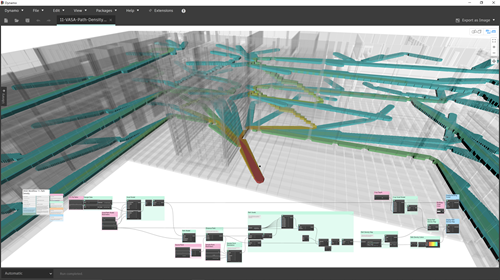
Rhys Goldstein has been busy implementing some new features in the Voxel-based Architectural Space Analysis (VASA) package. I've just published a new version to the Dynamo Package Manager containing the following enhancements: Added "PathModel.GenerateSamplePoints" and "DistanceField.GenerateSamplePoints", which generate sample points according to an approximate spacing parameter. Added proximity operations ("NearestFilledAlongX", "NearestFilledAlongY", "NearestFilledAlongZ", and "NearestFilledHorizontally"), which find the filled voxel nearest to a point. Added special operations ("AutoCrop", "AutoSplit", "DensityMap", "DensityMapWithWeights"), which automatically crop, split, and create density maps from voxel models. Added new examples ("11-VASA-Path-Density.dyn" and "12-VASA-Sensor-Coverage.dyn"), which demonstrate the new features. Fixed a bug in the fill from point…
-
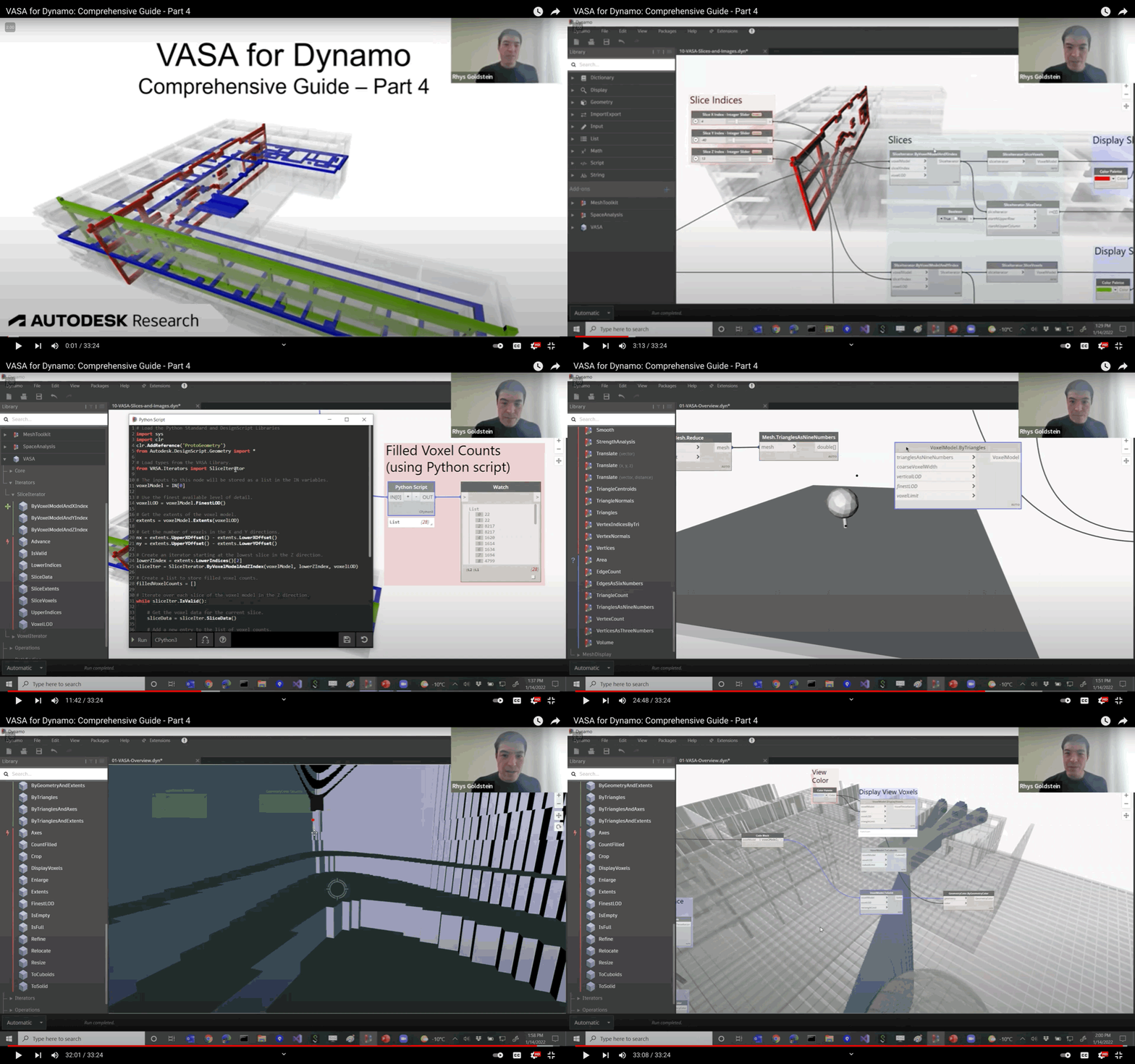
Fancy a nice slice of VASA to finish your week? Luckily Rhys Goldstein is here with Part 4 in his video series introducing VASA features. In this episode, Rhys talks about using slicing functions with voxel models, how to iterate through voxel models using Python, as well as a number of nodes that help you work with meshes inside Dynamo (and VASA). He also covers a couple of techniques that allow you to export voxel models to Dynamo geometry, and even navigates through the shell of an exported voxel model to show you what it looks like from the inside.…
-
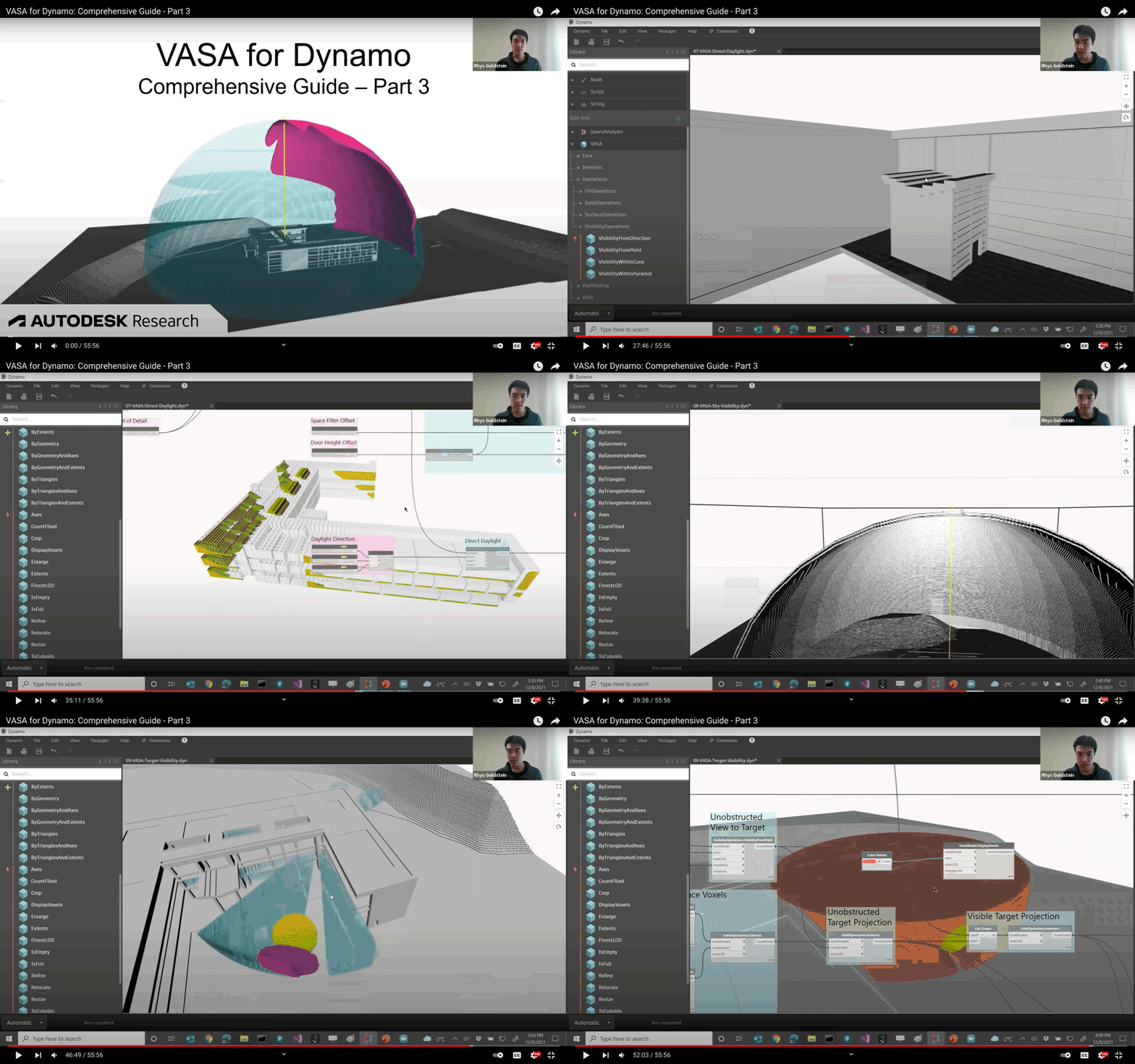
Rhys Goldstein has published the third part of his video series introducing capabilities of the VASA (Voxel-based Architectural Space Analysis) package for Dynamo. This part focuses on how VASA can perform visibility and daylighting analyses. Here's an animation showing some of topics covered: And here's the video itself: We're taking a break from this series now until the New Year, when Rhys will be sharing a walkthrough of the remaining VASA samples.