VASA
-
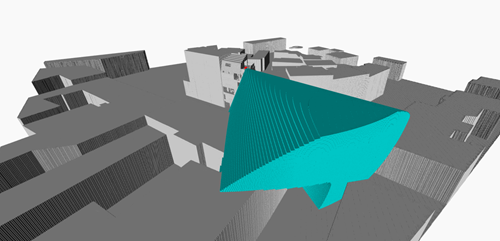
The first version of VASA we posted to the Dynamo package manager was numbered 0.1.0. Yesterday we posted a new version with some interesting new features, not least of which is the lack of an error when you install it (this one was very much my fault: I'd neglected to mark a couple of DLLs as not being node libraries when I posted it). Here's a breakdown of the new features in 0.1.2, courtesy of the package's author, Rhys Goldstein: Added VoxelModel.ToSolid, which converts a voxel model into a Dynamo solid that can be processed using standard Dynamo operations or…
-
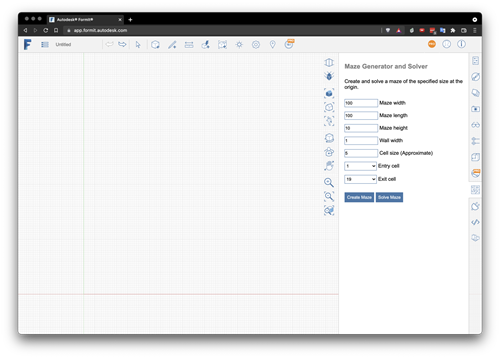
As a quick recap, here are the posts we've seen in recent weeks on this topic: Autodesk FormIt and its JavaScript API Introductory look at FormIt and the Maze Generator plugin. Using VASA with FormIt via Dynamo – Part 1 How VASA can be used within Dynamo for FormIt to solve mazes (etc.) in 3D. Using VASA with FormIt via Dynamo – Part 2 Applying the same principle with urban scenes imported by the 3D Context Creator plugin. In today's post we look at the fact that VASA can also be used directly from a FormIt JavaScript plugin – via…
-
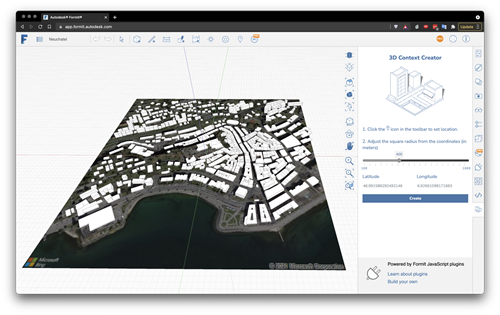
In the last post we looked at using VASA from within Dynamo for FormIt to solve mazes generated by a cool plugin created by Brett from the FormIt team. The Dynamo graph we saw used VASA in "3D mode" – where the voxel height is higher than 1 – but that came with the added need to create a floor for the maze (something that isn't too hard, as we know the exact dimensions and location of the maze). In today's post we're looking at how VASA might be used to perform pathfinding operations at the urban scale, taking geometry…
-
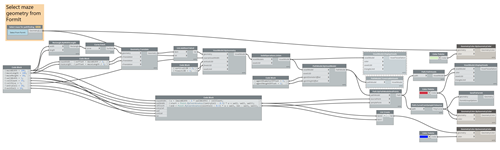
In this recent post we looked at FormIt's JavaScript API and learned how Brett Garrison was able to use it to develop a Maze Generator plugin. In this post we look at one way to find solutions for the mazes generated by this plugin using VASA from Dynamo. When I first started looking into VASA with FormIt, Rhys Goldstein sent across a Dynamo graph he'd used to grab contextual building geometry from FormIt – to create a voxel model of the space – and then send the pathfinding results back afterwards. I've adapted this graph to work with the results…
-
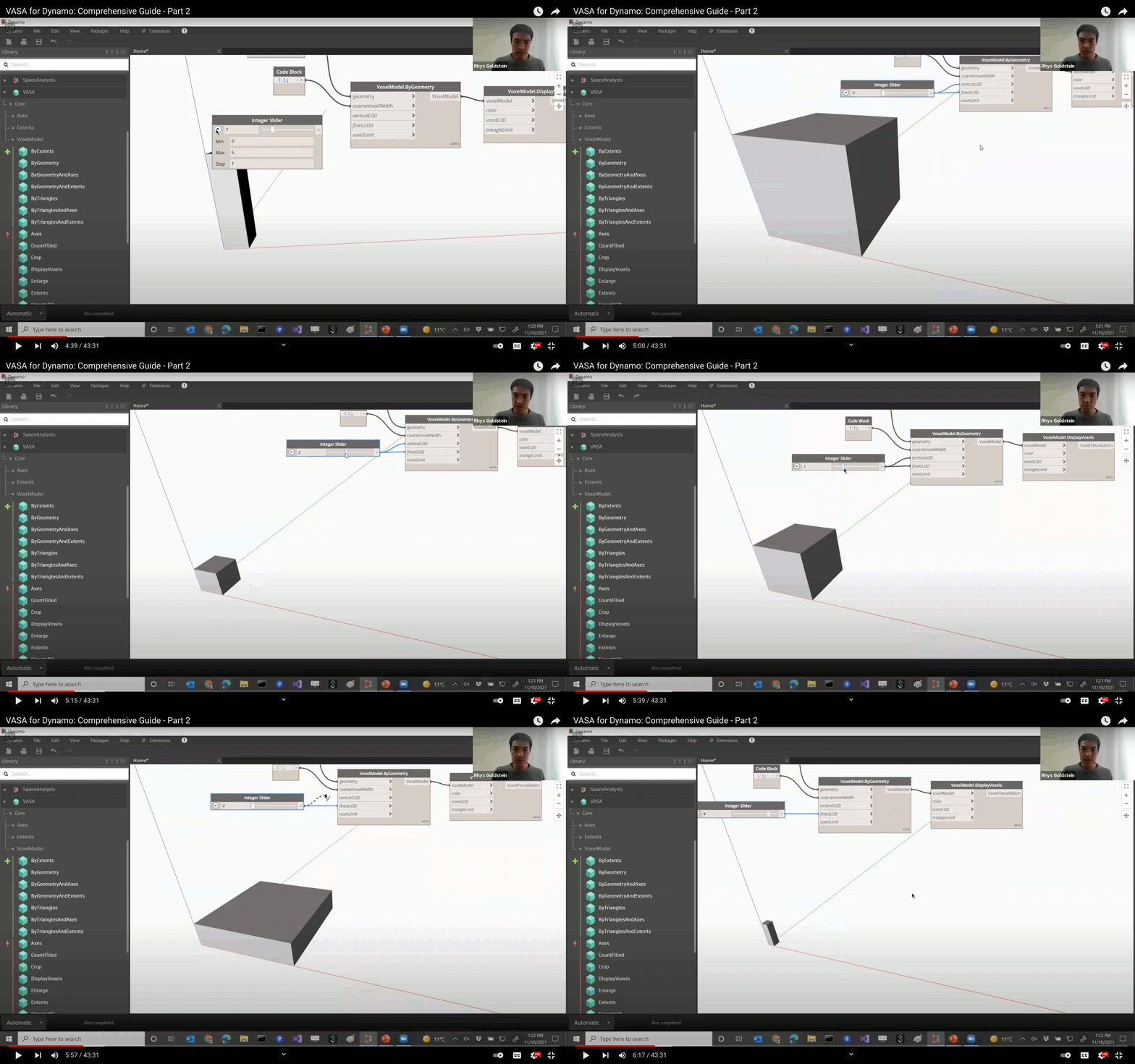
Rhys Goldstein has published the second part of his informative video series on using the VASA (Voxel-based Architectural Space Analysis) package with Dynamo. The first part was an overall introduction to the package while this part dives into pathfinding, taking a close look at samples that show how it might be used in both 2D and 3D. While the overall video is really interesting – some of you might find it a bit long at 43 minutes but it's quite watchable at 2X and is packed full of useful information – one of the sections that stood out for me…
-
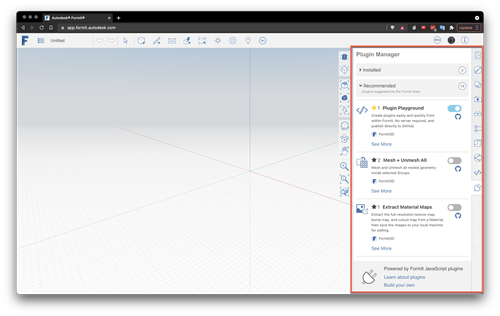
A few weeks ago I started taking a closer look at Autodesk FormIt, mainly with a view to understanding how it might integrate with VASA. FormIt is a multi-platform (which I believe in this case means Windows, iOS and web) conceptual design and analysis tool. I haven't really followed the development of FormIt, over the years, so if you're interested in learning more about that then I suggested heading over to the product team's blog. If you want to get started with using FormIt, then this Primer seems helpful. Two things in particular had me intrigued about FormIt: its integration…
-
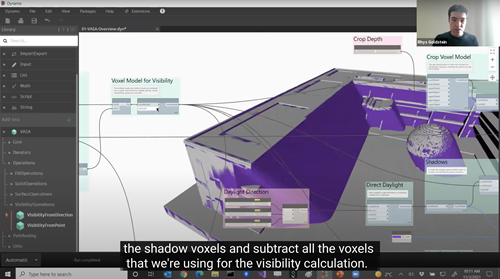
Rhys Goldstein, the researcher behind our 2D and 3D Space Analysis toolkits, has recorded a great video introduction to VASA (an acronym for Voxel-based Architectural Space Analysis). It steps through how to install the VASA package inside Dynamo and then create a simple voxelisation of Dynamo geometry. Rhys also shows how to load and run the samples provided with the package, and takes some time to step through – and then dissect – the main overview sample. Here it is: If you don't have time to spend 23 minutes watching a video, it should be quite watchable at higher playback…
-
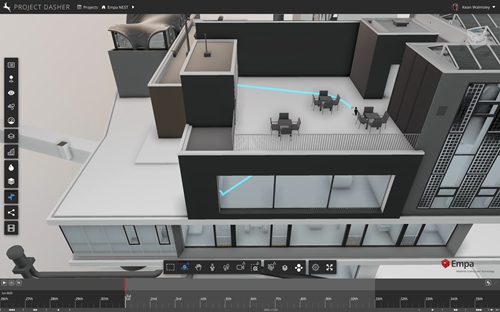
One more feature inspired by Project Dasher has made its way into the Forge viewer's Data Visualization Extension (Project Hyperion): streamlines. This is something I've talked about a few times in the past, and I'm happy to see it make its way into the Forge platform. Streamlines are a great mechanism for indicating movement – of people or assets – through an architectural space, or perhaps something like a toolpath in a manufacturing context. The way we implemented them originally inside Dasher wasn't ideal, in all fairness: I used the MeshLine.js library to be able to display lines with thickness…
-
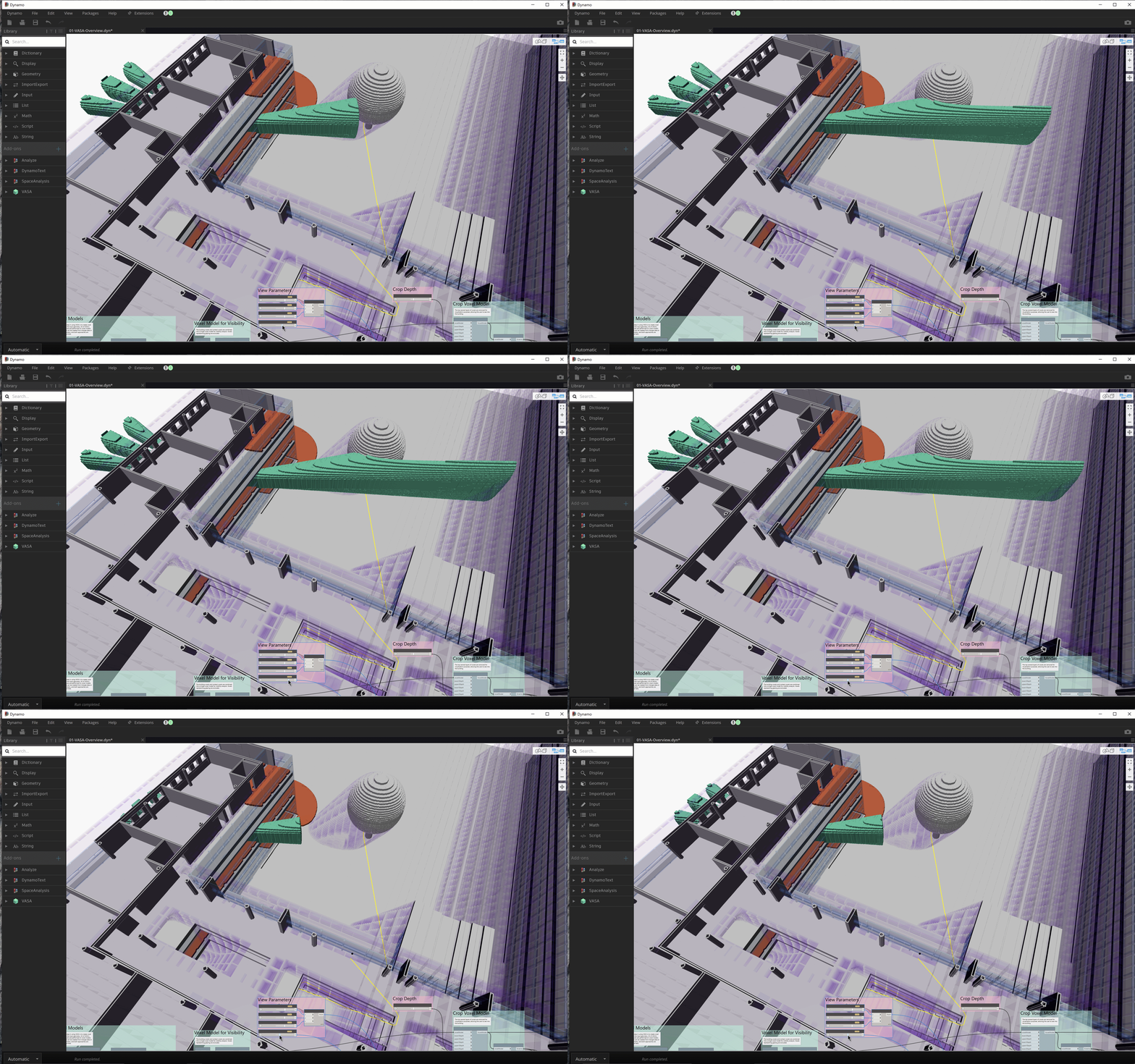
I've been hinting about this for a few weeks now, but today is (very excitingly) the day for the big unveiling. My colleague Rhys Goldstein has been working his magic, once again, taking the algorithms he developed for the 2D Space Analysis package and applying them to 3-space. If you were impressed by Space Analysis, what we're showing now may just knock your socks off. The new package is called VASA, which stands for Voxel-based Architectural Space Analysis. It's available today for download from the Dynamo Package Manager. It's worth unpacking a couple of terms, here: voxel-based means VASA breaks…