ASP.NET
-

Consumption seems to be a relevant topic, coming after the long Easter weekend here in Switzerland… I was laid up with gastric flu on Monday: after having consumed large amounts of food with friends on Saturday and Sunday, I ended up eating nothing for the whole day. I managed to put the finishing touches on the previous post in this series, but beyond that I was pretty useless. Anyway, back to the point. We've looked at the trend of moving to the cloud, and the steps for creating and implementing a RESTful web-service using the new ASP.NET Web API. Now…
-
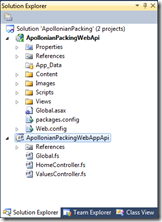
In the last post, we looked at the core technology we're going to use to expose our web-service, along with the basic project set-up. In today's post, we're going to flesh out this project and see the web-service in action. At this point, I should point out that I've switched back across for VS2010 for the purposes of this post (and its immediate successors), as it really will simplify the eventual integration with Windows Azure. Before we dive into the implementation of our web-service, here are a few words on what we're after… We want to implement two web-service APIs:…
-
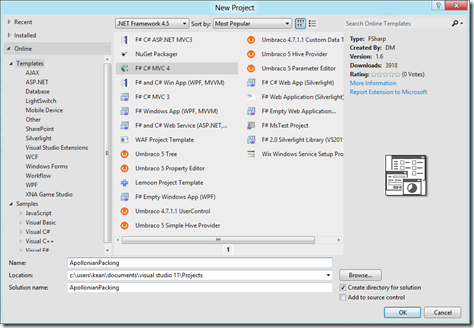
As promised, here begins the technical portion of the series on moving application functionality to the cloud. As suggested, we're going to take code from a couple of previous posts and put it in the cloud (although not immediately – first we're going to move it to a local web-service, consume that in AutoCAD, and then look at our various cloud-hosting options). So why did I choose these two pieces of code, in particular? A couple of reasons: firstly, they both implement "behind-the-scenes" algorithms that are independent of AutoCAD – a typical piece of business logic that companies might choose…