Autodesk Research
-

The class catalog for Autodesk University 2024 has been live for a week or two already, with attendees being able to bookmark sessions ahead of the ability to enroll fully. Well, today's the day that enrollment opens properly, so have at it! Classes often fill up quickly, so doing it sooner can certainly be better than waiting. I also have a few suggestions if you're at a loss for what to choose. These are all classes that I or my research team are involved in, of course. That's just how things work around here. 🙂 It turns out there's one…
-
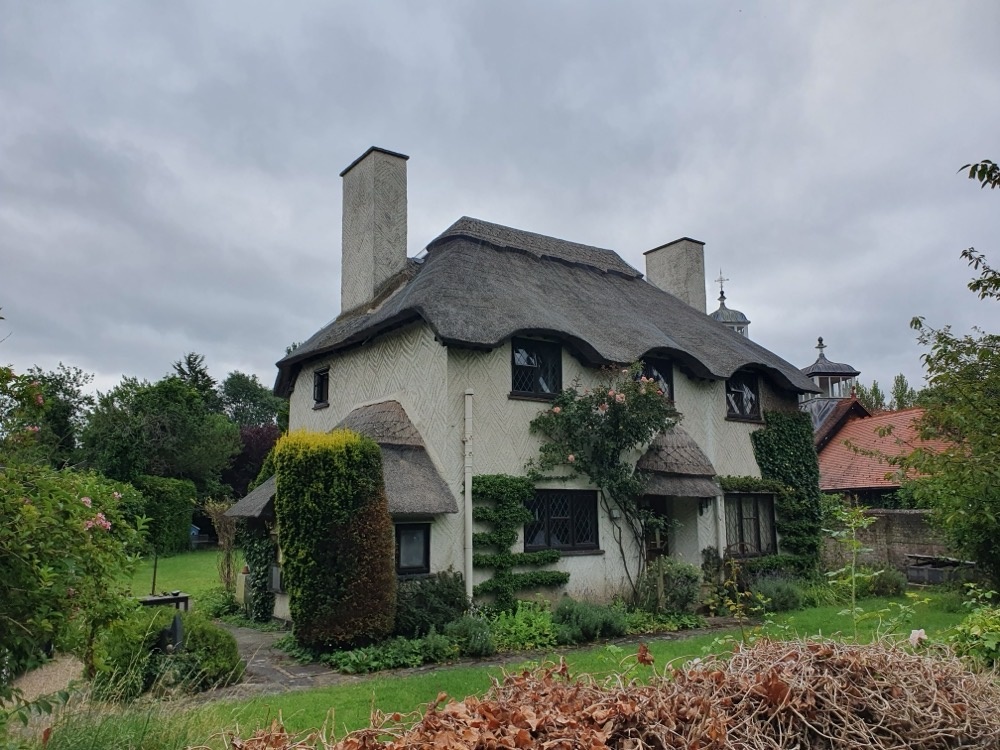
In the last post I wrote about our recent time in Brittany and Cornwall. Something I find very striking about the English countryside is the thatching on (some of) the rooves. This also apparently exists in Brittany, but seems to be more rare. I'd been speculating about the amount of upkeep needed on a thatched roof and then we came across one being replaced. I suppose you could call it a cottage industry! (Groan.) It turns out a thatched roof can last as long as 40 years - if maintained well - although the ridge will probably need replacing every…
-
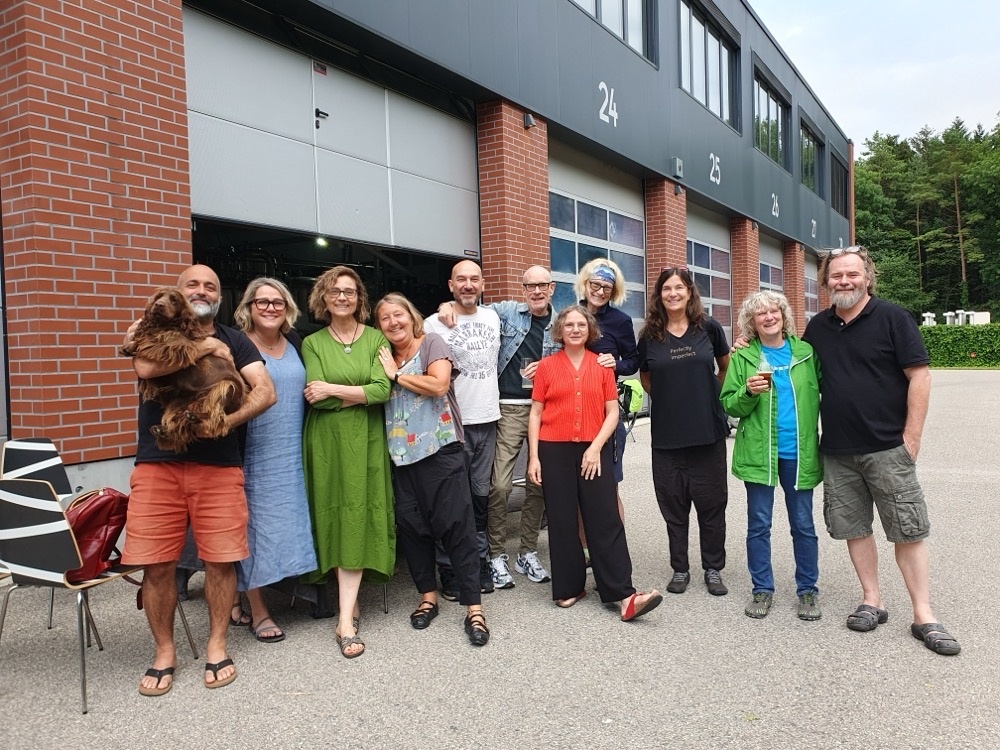
It's been an interesting year, so far, at many levels, and I have no major expectation that it's going to become less so in its remaining months. For starters there's the weather. As someone who is walking a dog for an hour a day, I feel intimately in tune with the weather, these days. And it has sucked. Badly. Even nature seems to be rebelling at the amount of rain, which is in itself remarkable. We're about to head off to visit friends in Brittany and family in the UK, which means it may well get worse before it gets…
-
A quick post today to shamelessly plug the company I've spent so much of my life working for, and more specifically for the organization where I've worked most recently, Autodesk Research. This video was compiled from - among other footage - interviews done at Autodesk University 2023. It also happens to include quite a bit of footage for the From Steps to Stories exhibit we created in partnership with The Bentway. If you're interested in coming to work at Autodesk, you can search through the currently open job postings via our careers site. Thanks for watching. 🙂
-
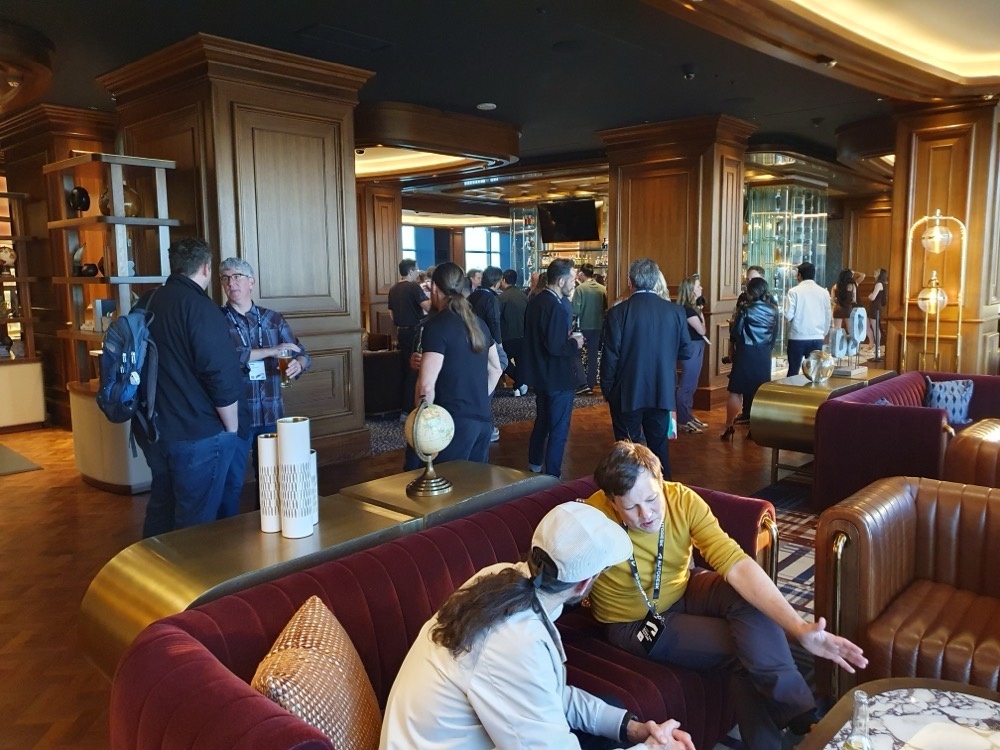
In my last post I mentioned my trip to Las Vegas for this year's Autodesk-internal TechX event. This post summarizes the whole week, to give a taste for how these events go. Things started on Sunday evening at the Allē Lounge on 66 roof bar at Resorts World, where Autodesk's technical leadership community got together for a welcome reception. The view was spectacular!I have made a lot of friends at Autodesk, over the years, and TechX is my main chance to reconnect with many of them. I've known Alan Quinton since my days living in the Bay Area (back in…
-
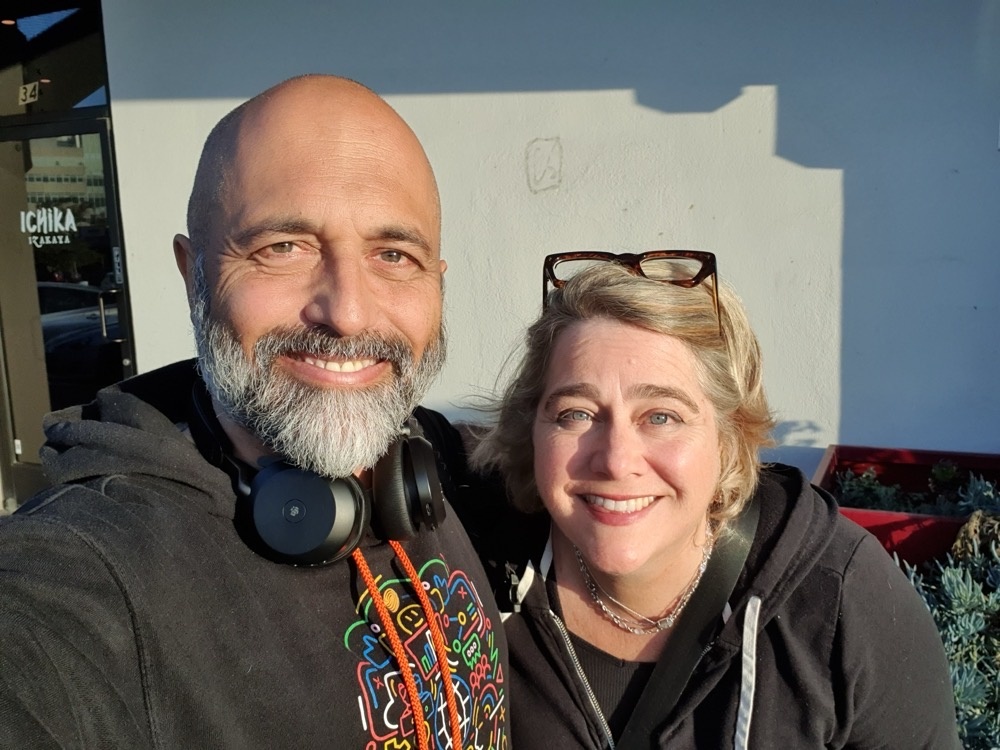
It's that time off year again: our internal Autodesk geekfest (called TechX) is being held this week in Las Vegas at the Resorts World Hotel. (It's held in a different city every year.) I've come across to attend a Technical Leadership Forum on Monday, and then present a TechX session on using WebAssembly to create a Forma extension (in this case using VASA) on Tuesday. I'll also be participating in a number of other activities before heading home on Friday. As I wanted to be here in time for a reception on the Sunday night, I headed across on Saturday…
-
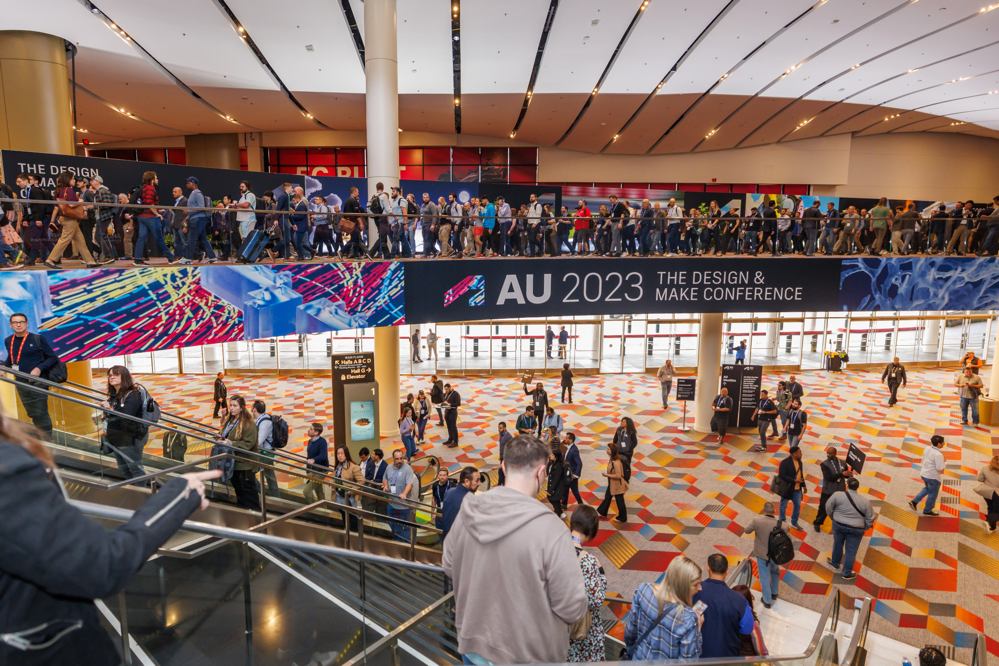
Tomorrow is April 30th, which brings to a close the Call for Proposals for Autodesk University 2024, which is being held in San Diego from October 15-17. To get you excited, here are a few images taken by one of the official AU photographers. And yes, it's at least as cool as it looks in the photos, so do make sure you submit your proposal before tomorrow's deadline. I've kindly been included as a co-speaker on one proposal, this year, which - if accepted - will talk about the Extension API to Autodesk Forma. Let's see if it makes the…
-

It's that time of year again: the Call for Proposals (CFP) for Autodesk University 2024 opened on April 2nd and will stay open until the end of the month (April 30th, 11:59 PM Pacific Time, to be precise). I'll be proposing at least one class, all being well, with the hope of getting to travel to San Diego from October 15th-17th for this year's event. It'd be interesting to see AU in a new city. Fingers crossed! If you're a software developer who is thinking about submitting a proposal, then I recommend checking out this post on the Autodesk Platform…
-
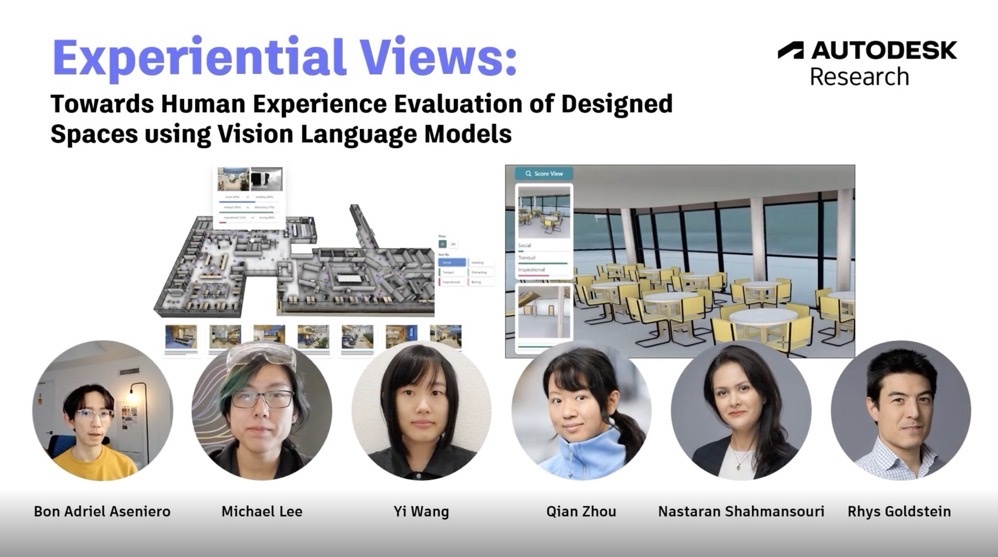
Our Research team is interested in capturing data about people's experience of the built environment, as hinted at in the last post (despite the fact it was actually for April 1st, as anyone who read it closely hopefully realized). One aspect of this work has been covered in a recent publication that has been accepted as "late breaking work" at CHI 2024 - the Human-Computer Interaction conference being held next month in Hawai'i. Here's a brief video that describes the work: The project looked at whether Vision-Language Models (VLMs) could be used to help evaluate designs along human-centric…
-
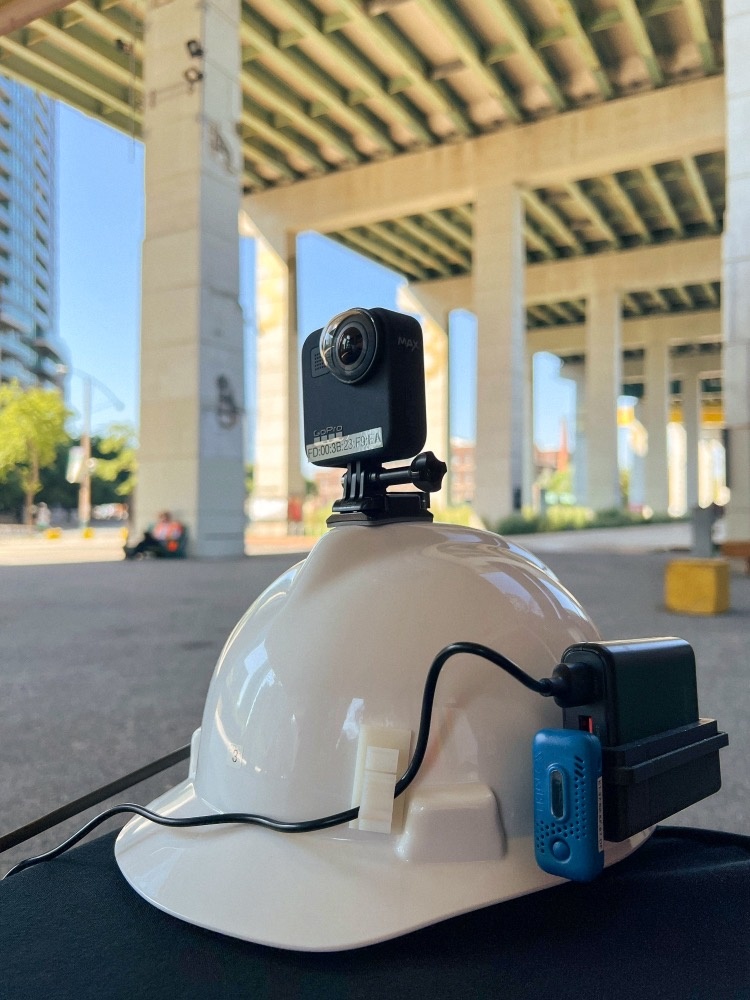
I'm excited to be pre-announcing a new experience capture platform from Autodesk Research: the Autodesk Vision Am. It's the data capture system we used for our project with The Bentway and showcased at our From Steps to Stories exhibit both in Toronto and at AU 2023 in Las Vegas. The goal is to collect as much data as we can about the human experience of the built environment. You can think of it as a purposefully basic, Amateurish alternative to Apple's Vision Pro, which we hope you'll just want to put on first thing in the Am (i.e. the morning).…