Autodesk Research
-
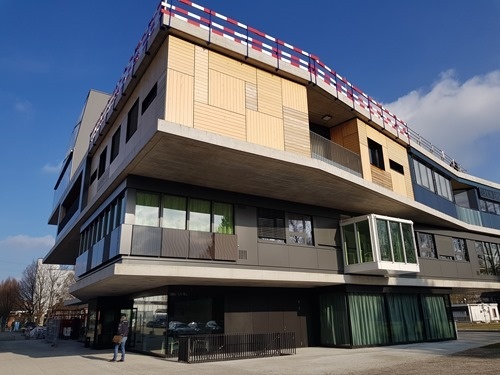
The week before last I headed across to Zurich for the day for meetings. During the afternoon I passed by the NEST building in Dübendorf – home of the DFAB House project – to meet with NEST's Director, Reto Largo, and talk more about our plans to collaborate. To learn a bit more about what's happening with this fantastic building, it's worth checking out this session from AU 2018 in Las Vegas delivered by both Reto and Thomas Müller from Mensch und Maschine Schweiz. Our plan is to "Dasherize" the whole building, which has upwards of 2,000 sensors in it.…
-
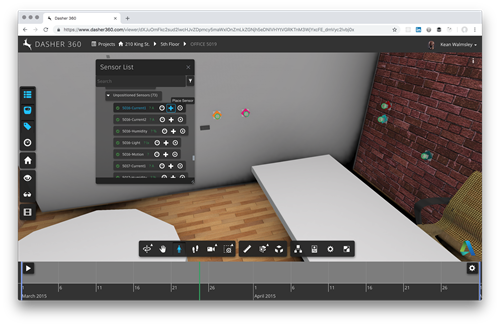
There's great news for Forge developers looking to modify Revit models – or perform various other operations inside Revit – in the cloud. To complement the current offerings of AutoCAD, Inventor and 3ds Max in Forge's Design Automation API, you can now run headless Revit in the cloud, too. As of Monday of this week the service moved from invitation-only Beta to public Beta. Here's an introduction to this service from the most recent Forge DevCon: This is really interesting with respect to Dasher 360, for instance. We currently have a workflow where an admin user can place sensors in…
-
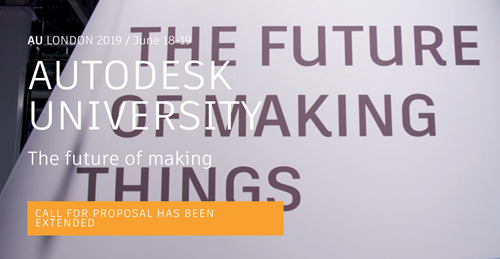
Some good news for people who thought they'd missed their chance to speak at this year's Autodesk University in London: the Call For Proposals (CFP) for AU London 2019 has been extended until January 25th, 2019. I love Autodesk University events in general, but the London edition – which I attended for the first time in 2018 – is quickly becoming my favourite, venue-wise. Tobacco Dock is a fabulous place to hold an event, providing the weather gods are smiling. (Last year's event was basically perfect, while the inaugural event in 2017 was very hot, apparently… and I can only…
-
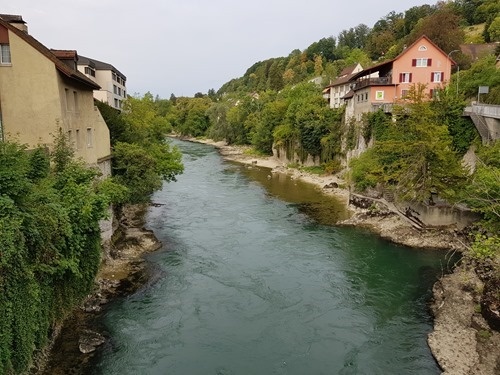
Today I'm back in the Swiss town of Brugg, to give a talk about Generative Design to a group of Masters students at the FHNW. (In case you don't recognise the reference, the title of today's post is a probably-overly-subtle nod to the Oscar-nominated, 2008 film "In Bruges": Brugge is the Flemish name for Bruges, and I wouldn't be surprised to find out that Brugg has a similar derivation in Swiss German.) I first visited Brugg as we cycled along the Aare river last summer, and was invited back after presenting about Generative Design and Digital Twins at the other…
-
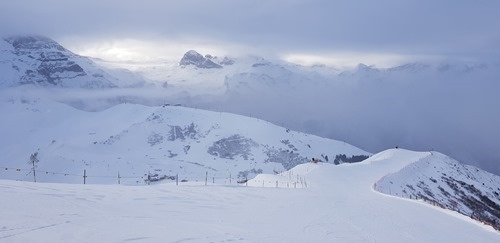
Happy New Year! I've just come back online after a wonderful (and much-needed) 2-week break. I hope those of you who were lucky enough to get time off at this time of year made the most of it and managed to spend some quality time with your loved ones. (I will admit that since the beginning of this year I've been spending a little time working on a really fun side project, so I can't say I've disconnected completely… but more on this later. 🙂 As I don't really have an image to accompany this post, here's a quick scenic…
-
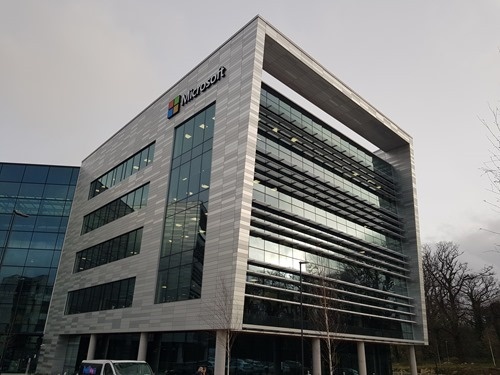
This week I had the chance to make a long-overdue first visit to Ireland. I flew across to Dublin for meetings with Kingspan, a large building products manufacturer. Brian Glancy, Kingspan's Head of BIM Strategy, had organised a session for the people working with BIM in the various Kingspan companies around the world. It was the first time most of the attendees had met one another, and the discussions were extremely interesting: most of the people there work with wildly different toolsets – most containing Autodesk tools, at some level, but many relying heavily on competitive products. The event was…
-
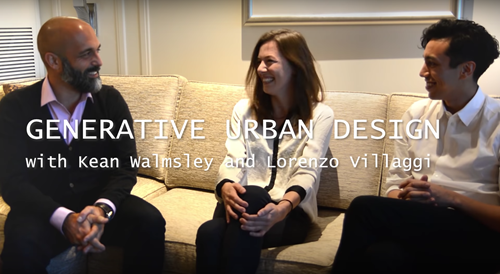
While at Autodesk University 2018 in Las Vegas, my friend and co-presenter – Lorenzo Villaggi – and I were invited by Jacqueline Rohrmann – known to many of you as That BIM Girl – to talk to her (and her YouTube viewers) about generative design, and specifically the tool we helped create for Van Wijnen to perform generative urban design. I first met Jacqueline at the AEC Hackathon in Berlin, back in July: she was part of a team – That BIM Pineapples – that I mentored. I met her again in Darmstadt at the Forge DevCon, when she gave…
-
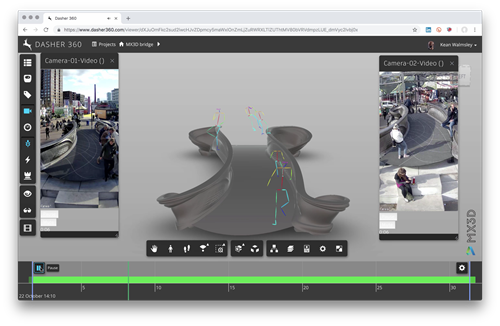
I've been having a lot of fun working on projects I can't really blog about, this week – on the one hand hacking Refinery to add some new UI features I thought would be interesting to explore, and on the other hand working in Dynamo to make some architectural changes to the Van Wijnen tool – so I really haven't had much time to blog about anything here. Hopefully I'll have more to talk about during the last few weeks before the holidays. I did just want to publish this video created by my friend and colleague Merry Wang –…
-
Like many of you (with some countries unfortunately having been excluded due to privacy regulations) I've just received an awesome customized video about this year's Autodesk University. Here's a link to the one I received, in case you didn't get one yourself. I'm guessing they didn't actually record a custom video – perhaps by training an infinite number of monkey videographers – to make this. Anyway – it was a great job, however it was done. The video was to announce a new web platform for AU content, including the recordings from this year's event. Of my classes two were…
-
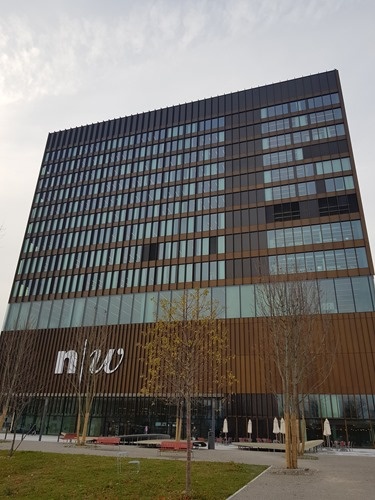
I really enjoy my job, these days (although frankly that's been true for the majority of my career at Autodesk): I get to work on projects related to IoT (Dasher 360) and to generative design (using Dynamo + Refinery). This is a real privilege, because there's a connection between the two that's tangible and that will become more and more important. It's that connection that I want to talk about today, as this week was the first time I've covered my two areas of focus in a single, in-depth presentation. On Wednesday afternoon I presented a keynote session at the…