Autodesk Research
-
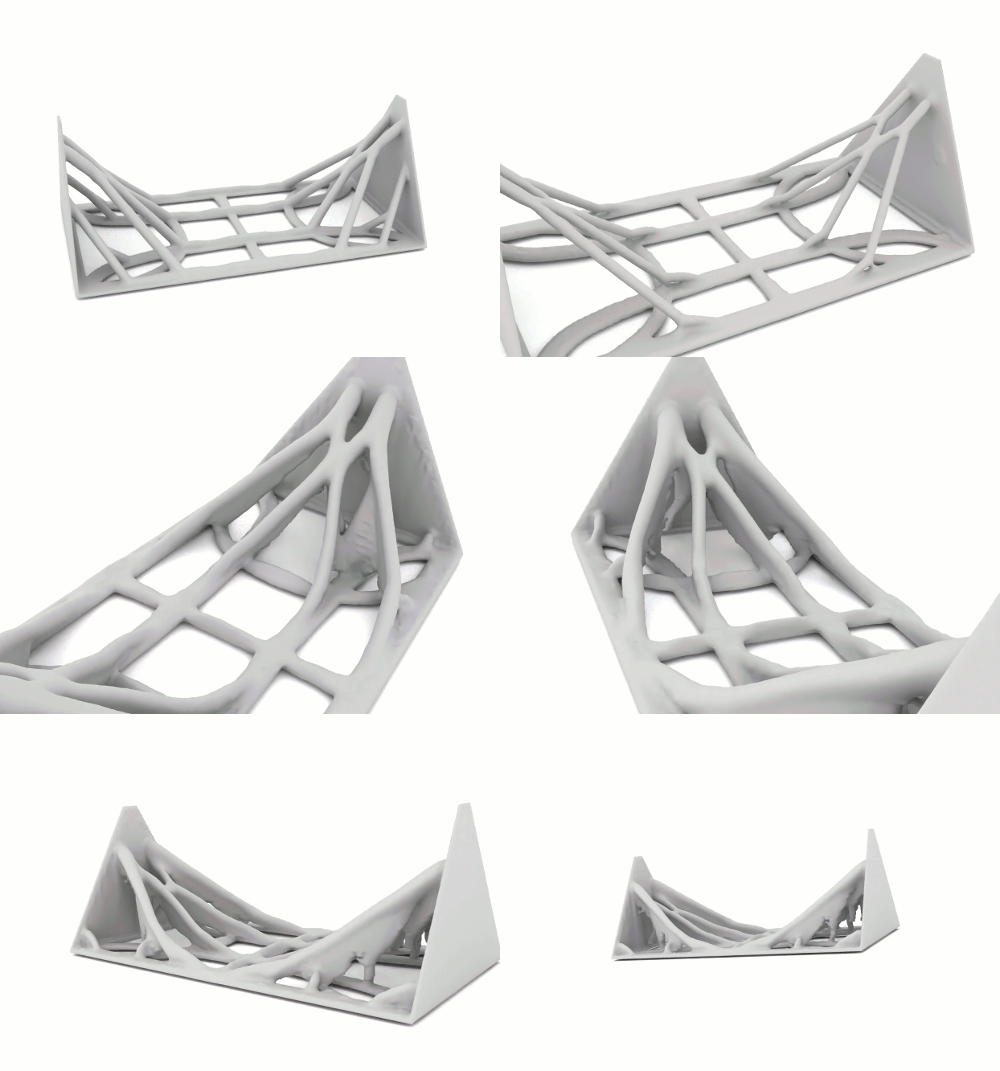
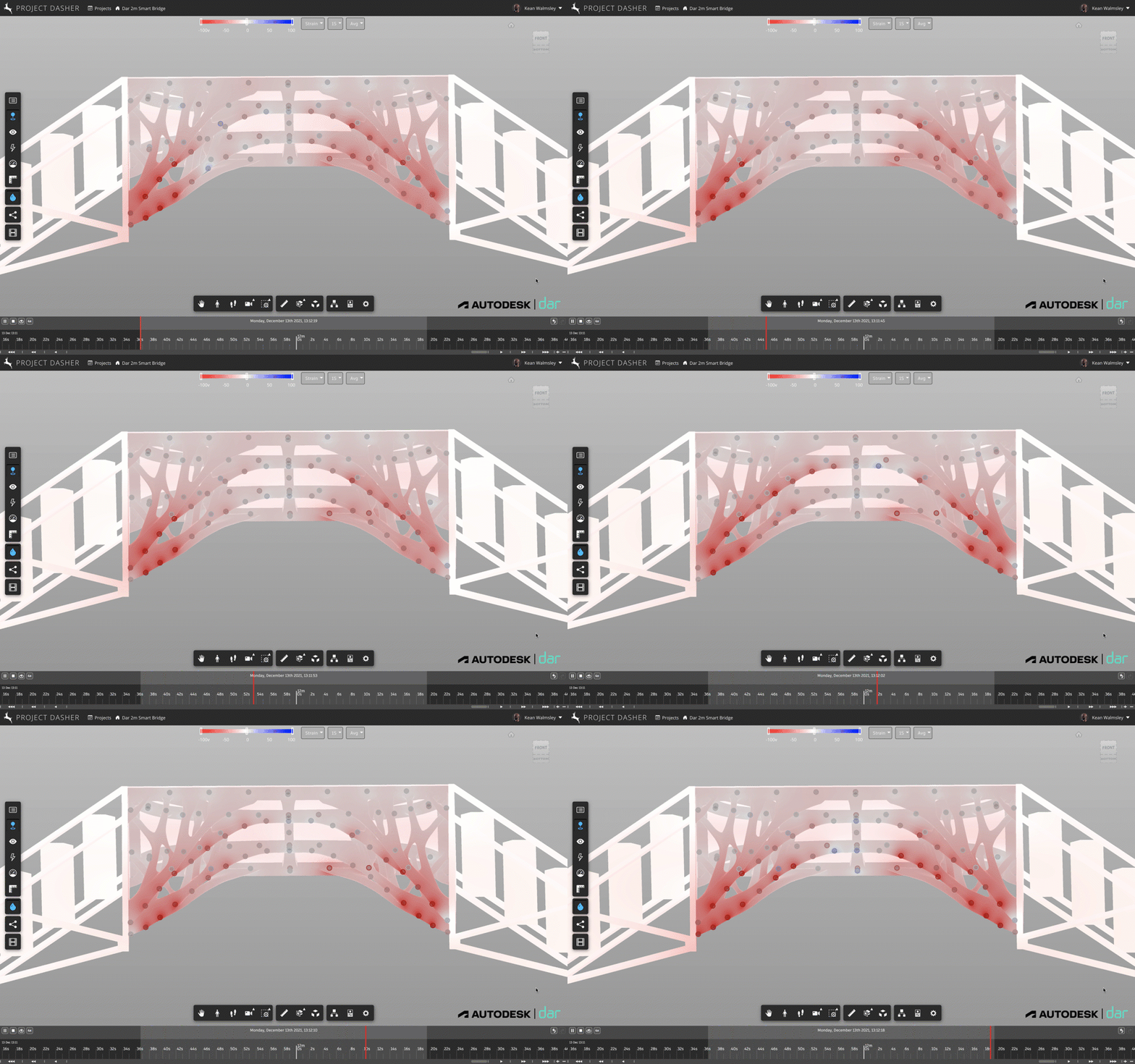
Colleagues in Autodesk Research have been working with Dar Al-Handasah on a project to 3D print a series of footbridges with integrated sensors. It's similar in some ways to MX3D's Smart Bridge Amsterdam, but printing with plastic rather than steel. I've talked about the bridge at a couple of events, now, so I thought it was time to share some more information about this fascinating project. My role in the project is, once again, fairly minor: I've been helping with the visualization of sensor data from the bridge inside Dasher (more on that later on), but it's been fun to…
-
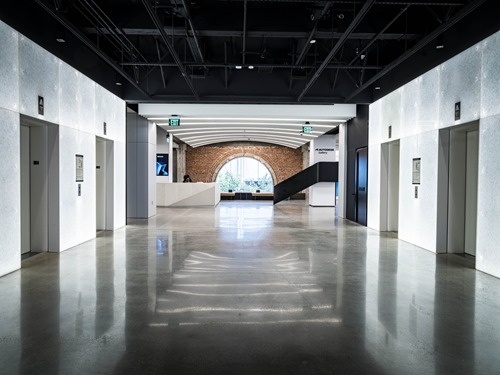
Last week this announcement was made that included a video showing off the sparkling new Autodesk Gallery at our 1 Market Street office in San Francisco. There's a lot of inspiring content in the new Gallery – for instance it showcases the results of Autodesk Research's collaboration with NASA JPL, the generatively designed interplanetary lander, and the scanning robot from Forge partner Scaled Robotics – but I wanted to highlight a project that I've participated in quite a bit, over the years, and I'm super-happy to see has a place in the stunning new Gallery: there's a scale model of…
-
Our friends at BIM Fórum Brasil have now posted the recording of last week's event on Digital Twins. (If the last link says "We Couldn't Find This Page", just click on the Brazilian flag in the page header.) A big chunk of the session is in Portuguese, but my piece was in English. If you only understand English, I suggest skipping forward to the 20-minute mark. If you've heard me talk about this topic before, you might still want to check out the section on the Dar Smart Bridge project at the 35-minute mark. (Be ready to crank up the…
-

I've been asked to talk about our work on Digital Twins (or Gêmeos Digitais) at the BIM Fórum Brasil event, on Wednesday of this week (January 26th, 2022). The event starts at 10am in Brasilia, which is 2pm in Central Europe, so the timing should work well for Asia, Europe and early birds on the east coast of North America, too. I'll be sharing information on our older projects, as usual, but I'm also planning to showcase some of our more recent (previously unseen) projects. So there's likely to be new information even for people who have seen me talk…
-
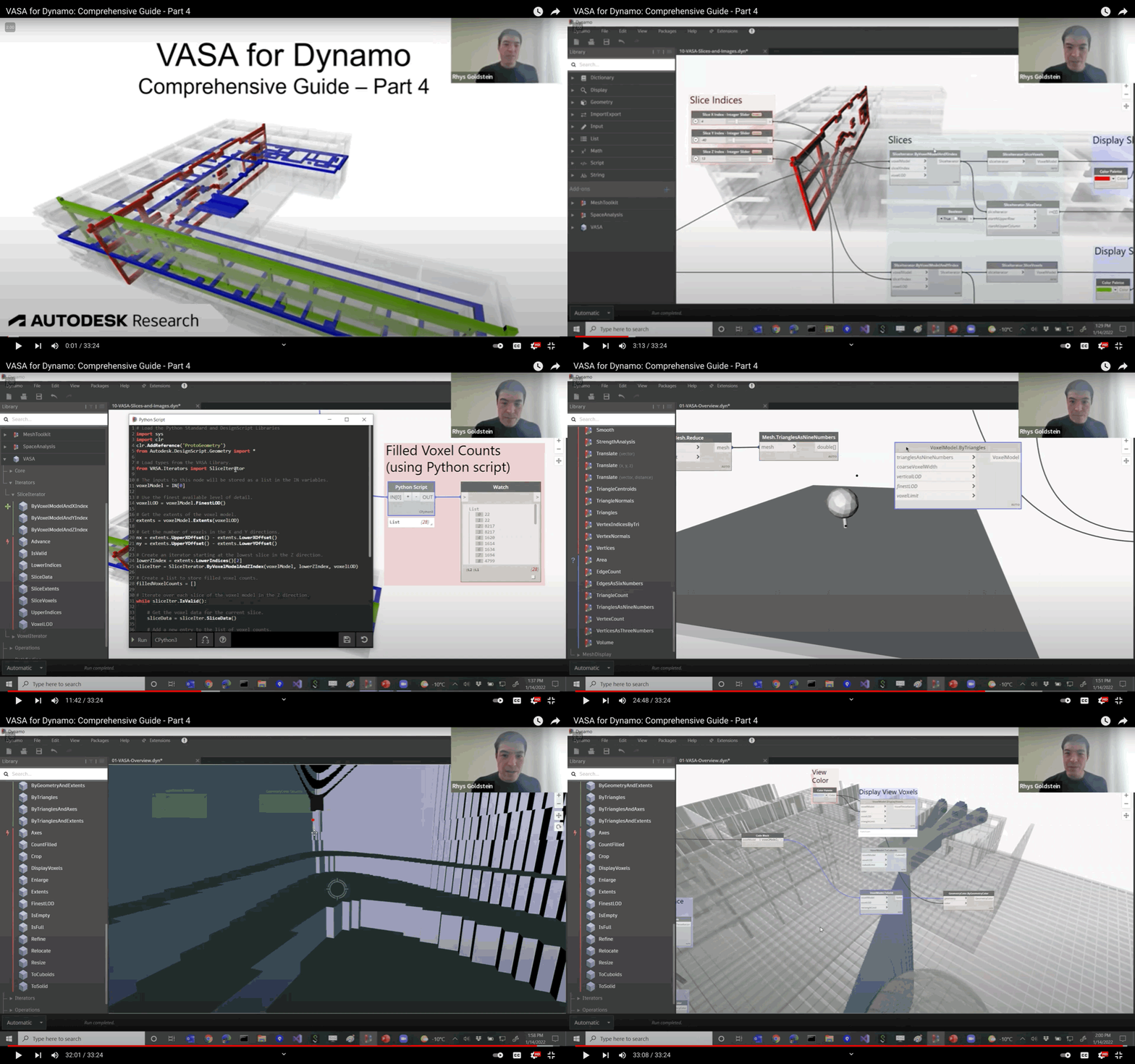
Fancy a nice slice of VASA to finish your week? Luckily Rhys Goldstein is here with Part 4 in his video series introducing VASA features. In this episode, Rhys talks about using slicing functions with voxel models, how to iterate through voxel models using Python, as well as a number of nodes that help you work with meshes inside Dynamo (and VASA). He also covers a couple of techniques that allow you to export voxel models to Dynamo geometry, and even navigates through the shell of an exported voxel model to show you what it looks like from the inside.…
-
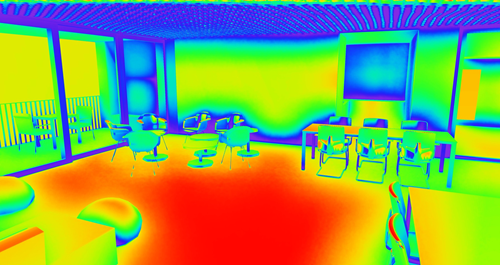
I work in the Research Engineering team at Autodesk, a centralised pool of software engineering talent that contributes to research projects across our various industries. Organising this way allows us to explore commonalities (and efficiencies) that would otherwise be hard to achieve. Every year or two we have an internal "Innovation Days" event, which is essentially an internal team hackathon. (Lots of other teams at Autodesk do this, of course, we're far from being unique in that regard.) Our latest Innovation Days took place on Thursday and Friday of last week, with the theme of sustainability. I met with the…
-
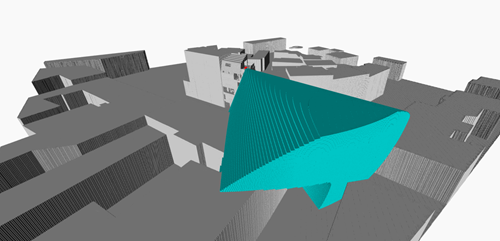
The first version of VASA we posted to the Dynamo package manager was numbered 0.1.0. Yesterday we posted a new version with some interesting new features, not least of which is the lack of an error when you install it (this one was very much my fault: I'd neglected to mark a couple of DLLs as not being node libraries when I posted it). Here's a breakdown of the new features in 0.1.2, courtesy of the package's author, Rhys Goldstein: Added VoxelModel.ToSolid, which converts a voxel model into a Dynamo solid that can be processed using standard Dynamo operations or…
-
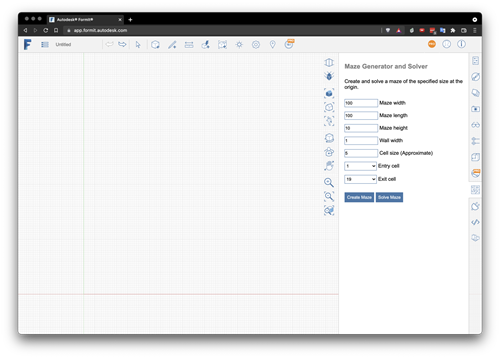
As a quick recap, here are the posts we've seen in recent weeks on this topic: Autodesk FormIt and its JavaScript API Introductory look at FormIt and the Maze Generator plugin. Using VASA with FormIt via Dynamo – Part 1 How VASA can be used within Dynamo for FormIt to solve mazes (etc.) in 3D. Using VASA with FormIt via Dynamo – Part 2 Applying the same principle with urban scenes imported by the 3D Context Creator plugin. In today's post we look at the fact that VASA can also be used directly from a FormIt JavaScript plugin – via…
-
Recently Mayur Mistry from Engineering ArchiTECHure asked me to join him for a YouTube livestream. Mayur often holds his interviews over the weekend, but he very kindly accommodated my schedule and held the session during the week. So while it was "live", it wasn't at the usual time for Mayur's subscribers and the discussion remained very much between the two of us. I've seen some really good sessions on his channel – several of his guests have prepared extensive material to show – so my apologies if you're expecting something more formal: we just chatted for an hour. Many thanks…
-
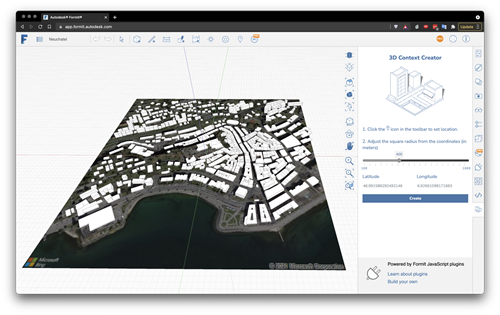
In the last post we looked at using VASA from within Dynamo for FormIt to solve mazes generated by a cool plugin created by Brett from the FormIt team. The Dynamo graph we saw used VASA in "3D mode" – where the voxel height is higher than 1 – but that came with the added need to create a floor for the maze (something that isn't too hard, as we know the exact dimensions and location of the maze). In today's post we're looking at how VASA might be used to perform pathfinding operations at the urban scale, taking geometry…