Autodesk Research
-
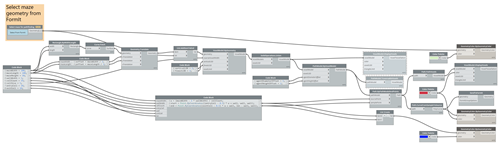
In this recent post we looked at FormIt's JavaScript API and learned how Brett Garrison was able to use it to develop a Maze Generator plugin. In this post we look at one way to find solutions for the mazes generated by this plugin using VASA from Dynamo. When I first started looking into VASA with FormIt, Rhys Goldstein sent across a Dynamo graph he'd used to grab contextual building geometry from FormIt – to create a voxel model of the space – and then send the pathfinding results back afterwards. I've adapted this graph to work with the results…
-

The Autodesk Tandem team has just launched their Customer Research Program. This is the perfect way to engage with the Tandem team and let them know what features you might need from your future digital twin infrastructure. In particular, if you're interested in seeing features from Project Dasher show up inside Tandem – via what I referred to in a recent post as "Dasher inside Tandem" – then this is your chance to be heard. Related to this topic, I came across a funny meme recently on Twitter. I couldn't find it again, so here's my attempt at reproducing it:…
-
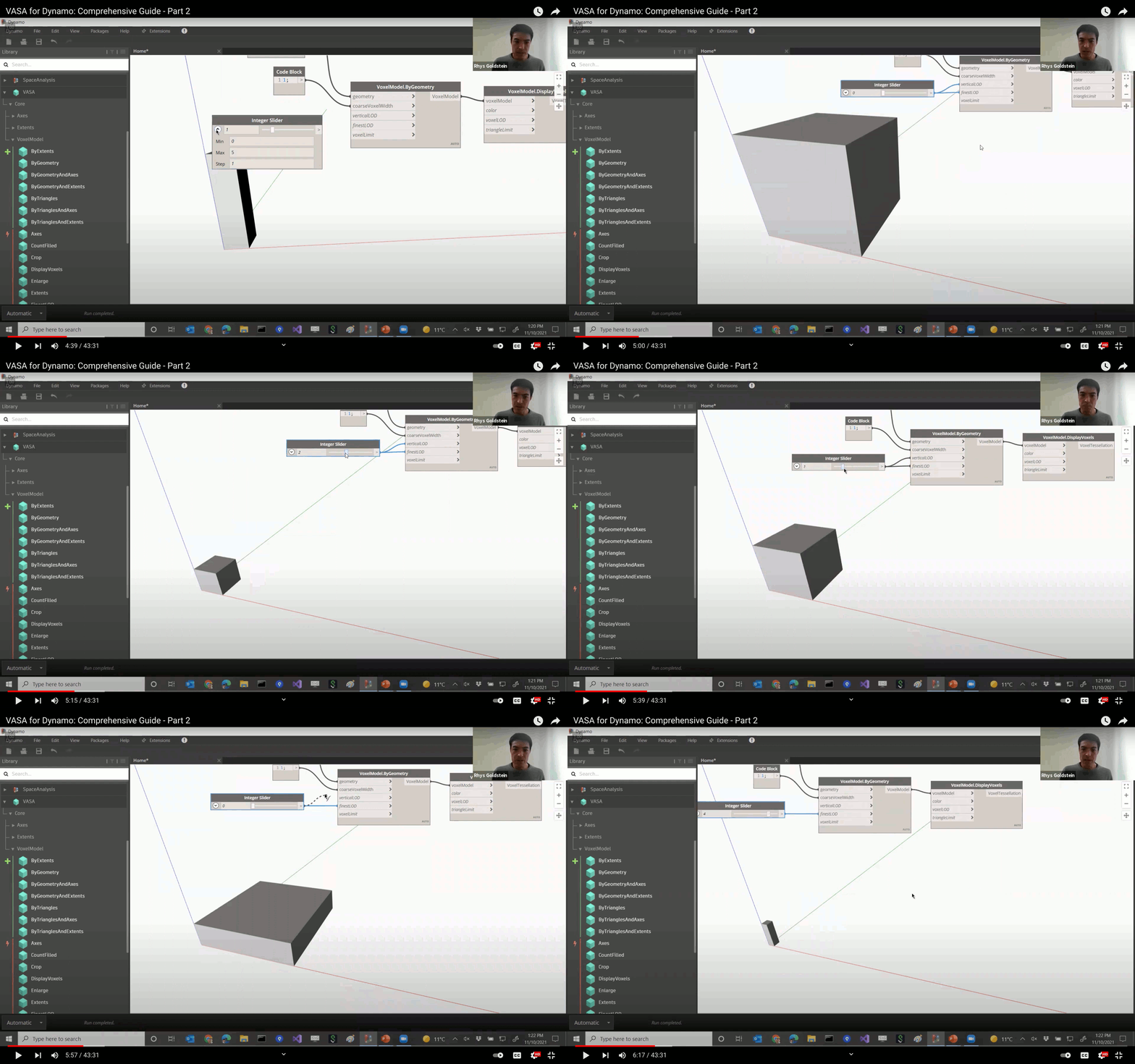
Rhys Goldstein has published the second part of his informative video series on using the VASA (Voxel-based Architectural Space Analysis) package with Dynamo. The first part was an overall introduction to the package while this part dives into pathfinding, taking a close look at samples that show how it might be used in both 2D and 3D. While the overall video is really interesting – some of you might find it a bit long at 43 minutes but it's quite watchable at 2X and is packed full of useful information – one of the sections that stood out for me…
-
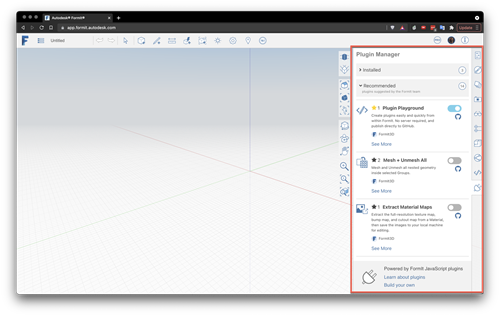
A few weeks ago I started taking a closer look at Autodesk FormIt, mainly with a view to understanding how it might integrate with VASA. FormIt is a multi-platform (which I believe in this case means Windows, iOS and web) conceptual design and analysis tool. I haven't really followed the development of FormIt, over the years, so if you're interested in learning more about that then I suggested heading over to the product team's blog. If you want to get started with using FormIt, then this Primer seems helpful. Two things in particular had me intrigued about FormIt: its integration…
-
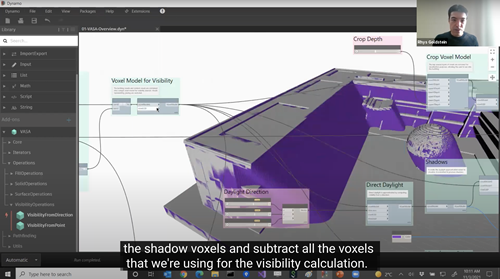
Rhys Goldstein, the researcher behind our 2D and 3D Space Analysis toolkits, has recorded a great video introduction to VASA (an acronym for Voxel-based Architectural Space Analysis). It steps through how to install the VASA package inside Dynamo and then create a simple voxelisation of Dynamo geometry. Rhys also shows how to load and run the samples provided with the package, and takes some time to step through – and then dissect – the main overview sample. Here it is: If you don't have time to spend 23 minutes watching a video, it should be quite watchable at higher playback…
-
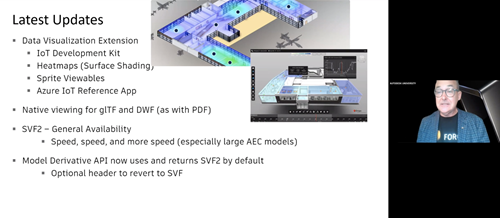
I've finally found the time to view the main information from the recent Autodesk University event, and thought it worth highlighting what I consider to be some of the "big ticket" items, especially from my own – somewhat Forge- and digital twin-centric – perspective. First-up, Forge was everywhere in the keynotes. If it wasn't previously clear that Autodesk is serious about becoming a platform company, it should be from the messaging at this AU. On a side note, there are a number of internal organisational changes that have happened/are happening at Autodesk to accelerate this shift, so I'm currently much…
-
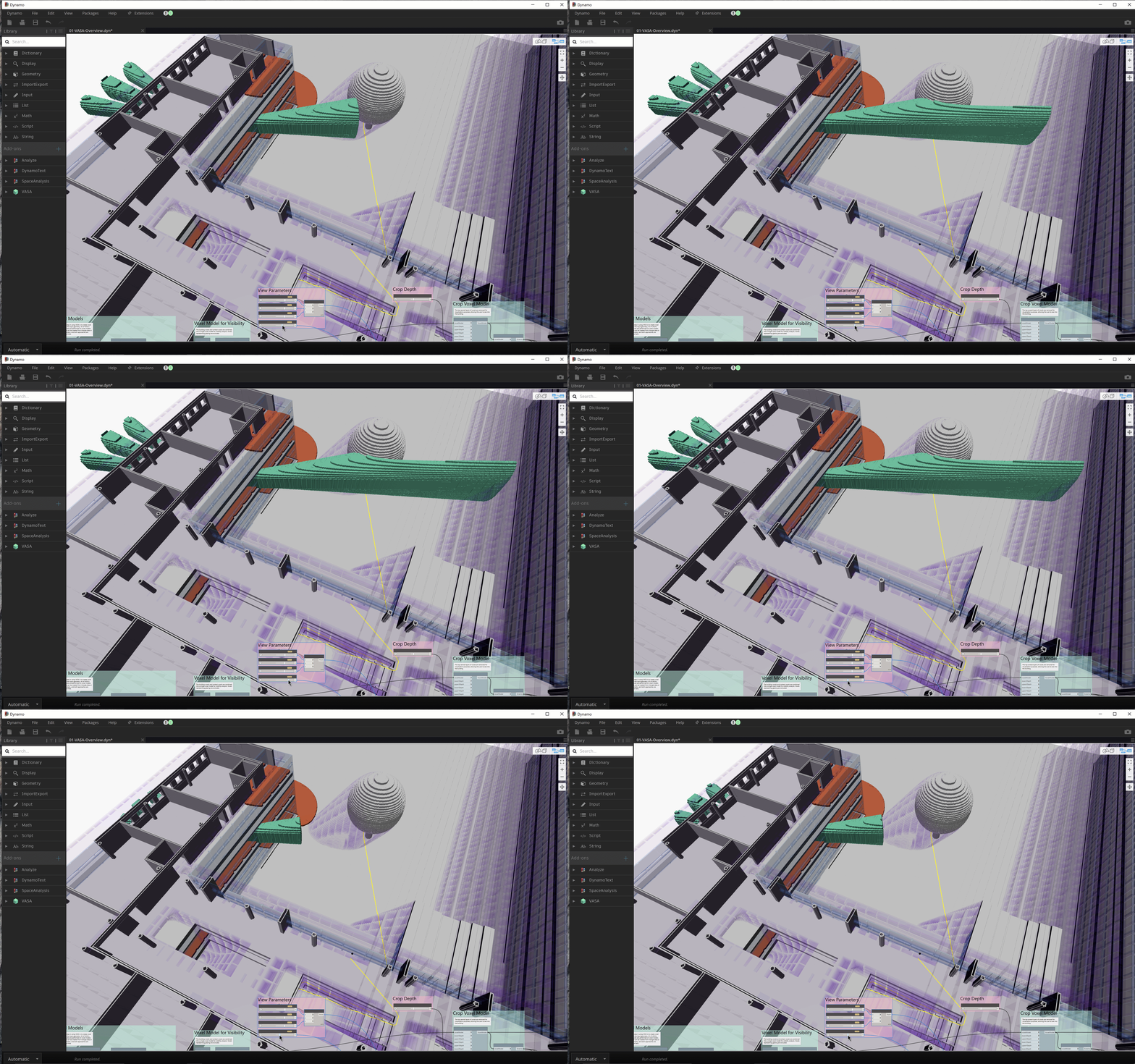
I've been hinting about this for a few weeks now, but today is (very excitingly) the day for the big unveiling. My colleague Rhys Goldstein has been working his magic, once again, taking the algorithms he developed for the 2D Space Analysis package and applying them to 3-space. If you were impressed by Space Analysis, what we're showing now may just knock your socks off. The new package is called VASA, which stands for Voxel-based Architectural Space Analysis. It's available today for download from the Dynamo Package Manager. It's worth unpacking a couple of terms, here: voxel-based means VASA breaks…
-
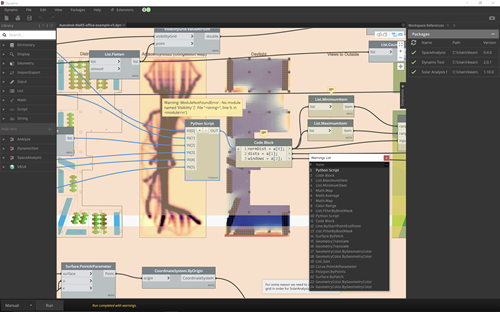
This week I've been getting my Revit installation working again – it had been a while since I'd used it, and it was overdue an upgrade from 2021 to 2022 – mainly because I have to publish a couple of new packages (or package versions) to the Dynamo Package Manager. The first is a minor update to the Space Analysis package, taking it from version 0.3.3 to version 0.4.0. There is a breaking change, however, in that people using the Visibility nodes from Python may have to modify their code to use the correct (newly added) namespace. We only hit…
-
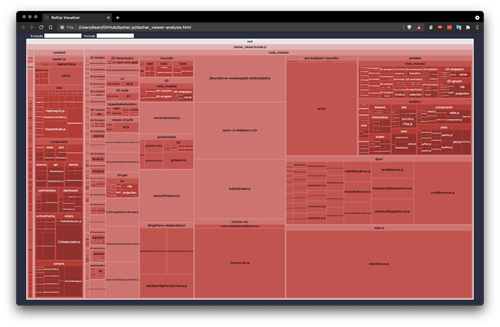
I mentioned recently that I've been working on updating Project Dasher's use of 3rd party components, and that I had some learnings to share. We started the Forge-based version of Dasher in 2016, and (much to my shame) some of the components had stayed at more-or-less the version available at that time, largely due to the migration effort needed to deal with breaking changes. Biting the bullet to upgrade them was painful but necessary, and right now I (and Dasher) feel nicely refreshed. Last time I mentioned there were two big outstanding dependencies that still required attention: Bootstrap and Rollup.…
-

Other that my regular foolings-around with ancient tech, I feel like I've been neglecting this blog in recent weeks. That's all about to change, though, as we enter the busy period leading up to Autodesk University 2021. For one I have some interesting learnings I thought I'd share from some of the foundational work I've been doing on Dasher's codebase, but there are also some interesting updates for people performing analyses of 2D (and 3D!) spaces. Fun stuff! First though, it's worth reminding people of the Forge Hackathon that's around the corner. It starts in just a couple of weeks,…