PaaS
-
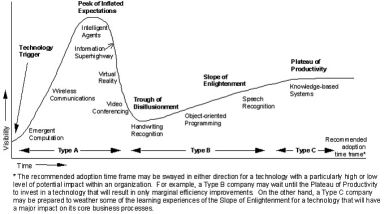
I've been heads-down wrapping up my AU content, so I thought I'd publish at least some of it here. Here's the handout for my "AU kick-off" class which is at 8am on the first day of the conference – the morning after the ADN party – so despite the fact the class is currently full, we'll see if that turns out to be the case. 😉 VR comes of age Presenting 2D images that allow the brain to reconstruct 3D has its roots in the early stereoscopes invented in the late 1830s. These were eventually democratized by Sawyers and their…
-
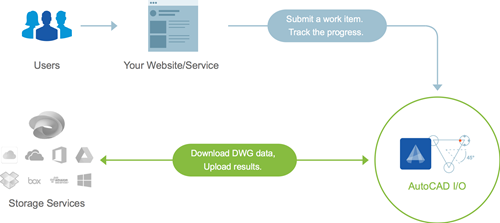
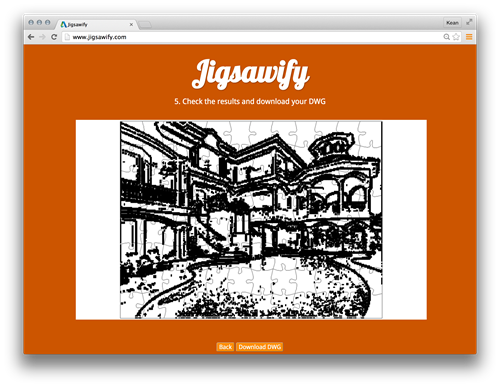
The AutoCAD I/O team has deployed version 2 of their API. For specific information on what's new, check this page. As I'll be talking about AutoCAD I/O at AU 2015, I thought it important to get to grips with the new version and understand how it differs from v1. I went ahead and updated Jigsawify.com to make use of the new API, so I'll add my own commentary below on the changes that have been introduced. As a reminder, the full source code for Jigsawify.com is available on GitHub. To check out the specific migration changes, see this comparison…
-
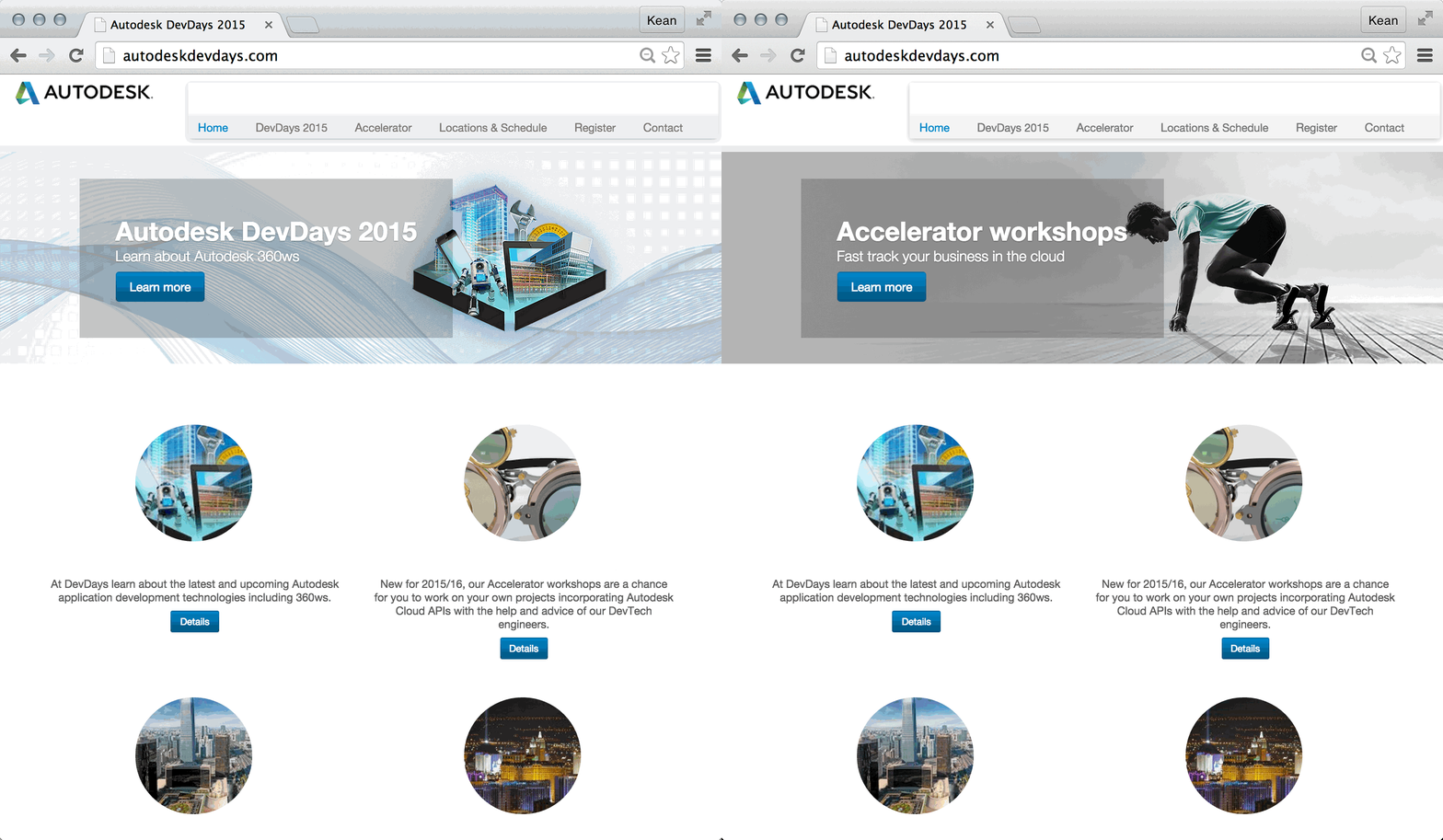
Members of the Autodesk Developer Network have started receiving information on how to register for the upcoming series of DevDays being held around the world. Thanks largely to the positive experience of running Cloud Accelerators in different locations, the ADN team has shifted their thinking for this year's tour: rather than visiting 15+ cities around the world, the team has reduced the number of locations to a few per geography but increased the amount of time being spent in each. 3-4 day Accelerators will be held in a number of cities adjacent to the more traditional DevDay events. This gives…
-
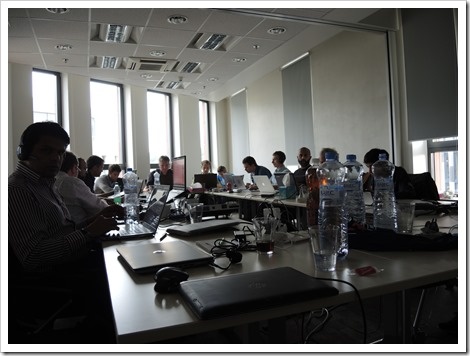
We're about halfway through the first Cloud Accelerator Extension being held in the incredible city of Prague. The entire European ADN team is in town – so a great chance to catch up with old friends such as Jeremy, Adam, Philippe, Cyrille and Peter – along with cloud-focused developers from Norway, Denmark, Belgium, the Netherlands, the UK, Germany, Romania, Italy, Greece, Israel and (of course) the Czech Republic. So definitely making new friends, too. 🙂 I'm mainly here to help developers working with AutoCAD I/O – gathering feedback for the development team, in the process – and it's really great…
-

I'll be in Prague – with Adam Nagy from the ADN team – on Tuesday of next week (from 6 to 9pm on September 8, 2015) to talk to people about Autodesk's horizontal PaaS offerings, notably the AutoCAD I/O and View & Data web services. If you happen to be in the area and are interested in attending, please sign up and come on by the Autodesk Prague office on Tuesday evening! From my side I'm going to talk about the implementation details relating to the use of Autodesk web services in Jigsawify and Vrok-It. It should be a fun…
-
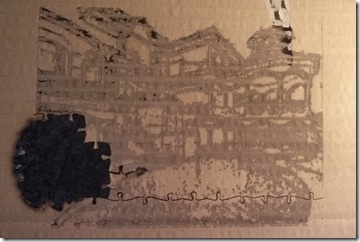
After building a web-site to create files that help make laser-cuttable jigsaws, it made sense to actually go ahead and cut some. In the flesh, so to speak. My initial findings weren't good: I'd assumed that I could output 2D solids from AutoCAD – each representing a pixel to be engraved on the jigsaw – and that the laser cutting software (in our case LaserCut 5.3) would at least see the boundaries. But nothing at all loaded – apart from the cutting geometry for the pieces, of course. In fairness, the question has come up a few times as to…
-
I mentioned recently that I'd hit a limitation with the amount of data that could be passed as embedded JSON data to an AutoCAD I/O Activity, and so decided to rearchitect my site to post the data at a URL and have the Activity download and use the data from there. The system worked well until a security flaw was fixed by the AutoCAD I/O team, earlier this week: it turns out the approach of manually downloading the additional payload from the Activity itself wasn't supposed to work. And now, sure enough, it doesn't. 🙂 This video does a great…
-
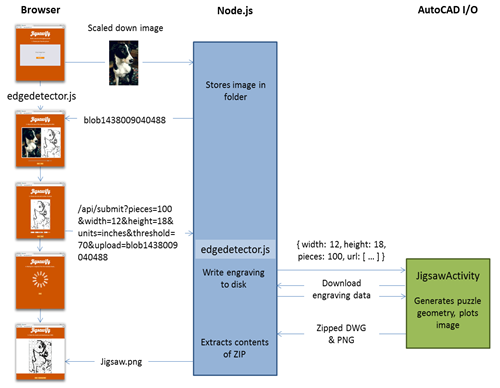
After the last post, where we looked at the first couple of architecture iterations for Jigsawify.com, it's time to summarise (and perhaps even wrap-up) this series… Here are the posts so far: Puzzling over laser cutters AutoCAD I/O and custom applications Finishing up our laser-cut jigsaw project Running custom .NET code in the cloud using AutoCAD I/O – Part 1 Running custom .NET code in the cloud using AutoCAD I/O – Part 2 Running custom .NET code in the cloud using AutoCAD I/O – Part 3 Running custom .NET code in the cloud using AutoCAD I/O – Part 4 Architecting…
-
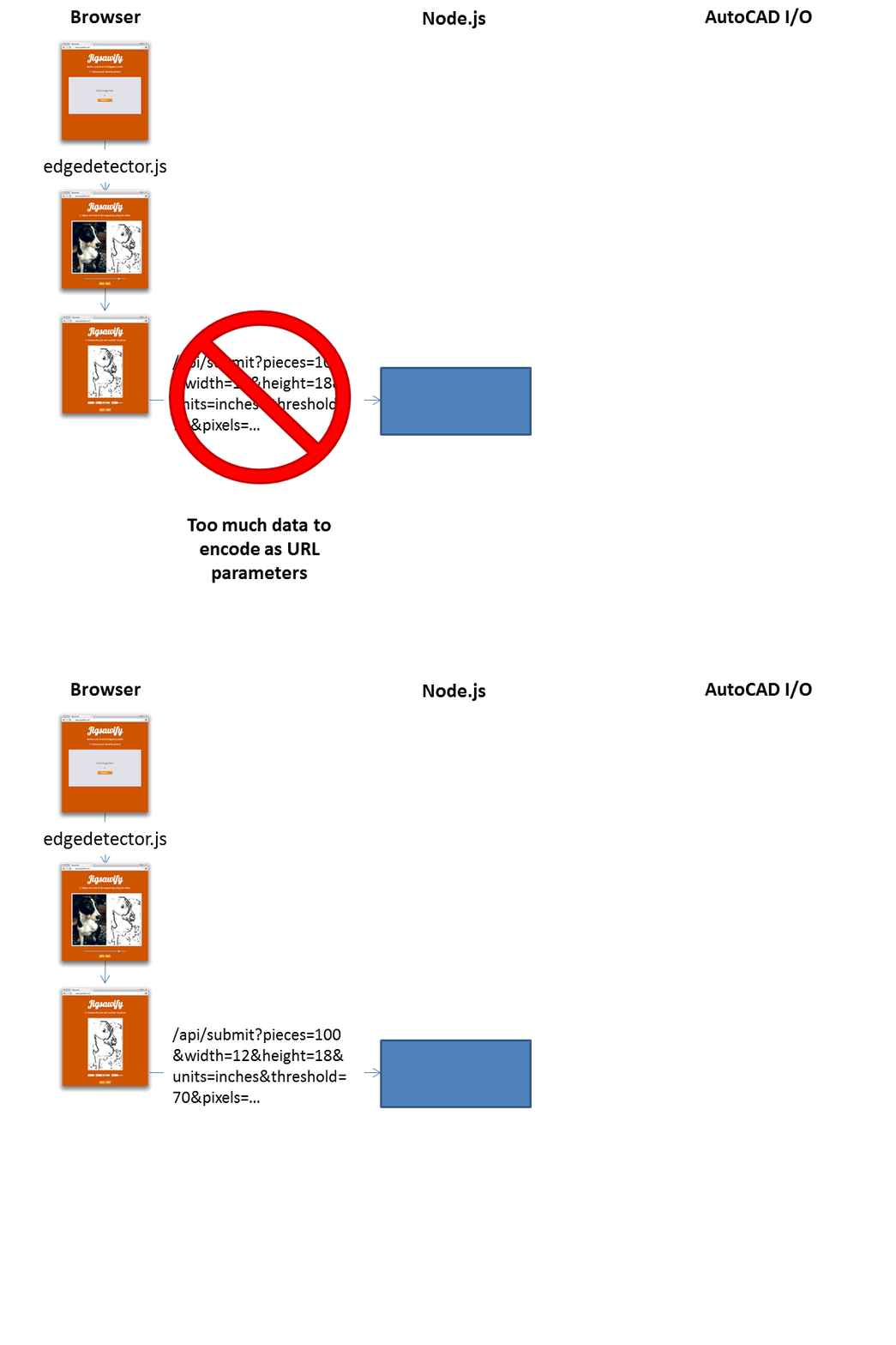
As mentioned in this recent post, I've been working on my AutoCAD I/O-driven web-site on and off for the last few weeks. Lately I've had to think beyond certain assumptions I'd made about its architecture, and I thought it worth sharing those thoughts here. The intention of the site is that you upload an image and then see some edge detection get performed on it, generating an engraving layer for a custom jigsaw puzzle. AutoCAD I/O gets used to generate a drawing that can drive a laser cutter, creating your 100% unique jigsaw puzzle. Basically making the world a better…
-
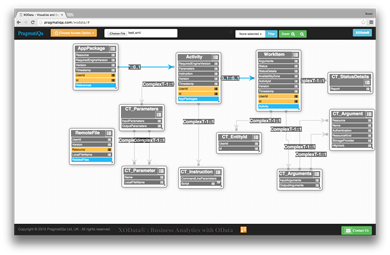
I've been working with AutoCAD I/O quite heavily over the last week or two – mainly spending time fleshing out my Jigsawify web application well in advance of AU2015 – and came across this helpful trick for visualizing an OData-based REST API graphically: you can copy and paste the XML schema for the AutoCAD I/O API into a file and then load it into the handy XOData tool. Here's what was generated (after a little editing from my side for layout): I'm making pretty good progress using AutoCAD I/O from Node.js – which is interesting as I can now run…