AU
-
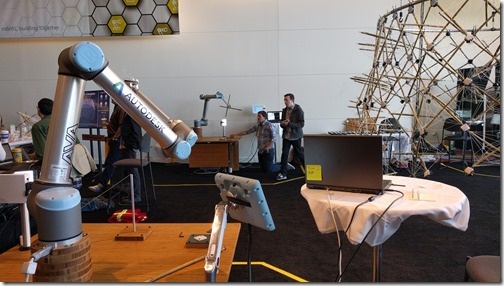
As mentioned in the last post, although I'd visited the Exhibit Hall at Autodesk University a couple of times during the prior days, it was really on Thursday that I spent the most time there. One of the highlights, for me, was in the hall leading to the Exhibition Hall itself: the AU Hive. This is the project I'd been introduced to when visiting the Applied Research Lab on Pier 9. It was an interesting experiment in how humans and robots – coordinated by a "controlling intelligence" – could achieve more together than they could separately: to build a structure…
-
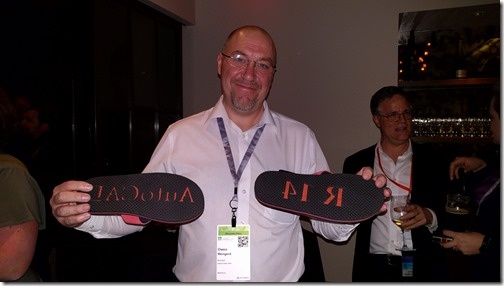
Now that the dust has finally settled on Autodesk University 2015, I thought I'd write a couple of posts about some fun I had on Wednesday and Thursday. At this year's event I had classes to deliver on both Tuesday and Wednesday mornings (at 8am and 10am, respectively). This is probably due to the fact I'd requested 90-minute timeslots and they quite sensibly schedule the longer sessions before noon and shorter sessions after it. Which all makes perfect sense. But it also meant that I didn't "let my hair down" properly until Wednesday night, by which point I'd finished my…
-

What an AU! Over the years I've settled into a rhythm that works well for me, with respect to attending AU: I fly in on the Saturday before the event – from Geneva via London Heathrow – and so have the Sunday to decompress before the ADN day on the Monday. This year the DevDay was focused mainly on Autodesk's burgeoning PaaS layer – with significant focus on Fusion 360, too – with much of the "general design" content covered in a breakout in the afternoon. If you're an ADN member, I do recommend checking the material online – or…
-
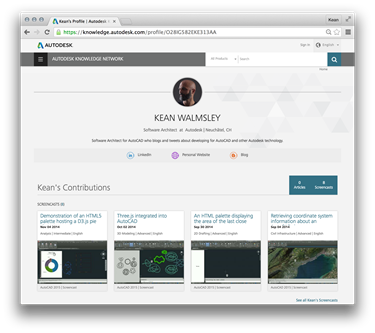
It's been a couple of years since I last reported on an Autodesk web property getting cosmetic surgery. The AKN team has just unveiled a revamped portal enabling people to create, share and remix knowledge, whether of their industry or their usage of a particular product. Here's my AKN profile, showing that I've contributed some screencasts but (so far) no articles. We'll have to see what we can do about that. 🙂 Here's some information I received from the Screencast team that describes the change: Your profile is an opportunity to showcase who you are and promote your contributions. Share…
-
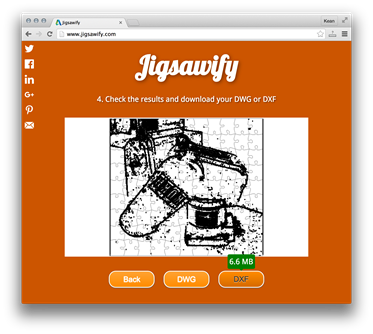
With the clock ticking before next week's AU 2015, here's the second of my class handouts (here's a link to the first). For those of you lucky enough to be heading to this year's event, see you in Vegas! Introduction During the course of this session, we're going to look at the steps required to implement a web-site for turning pictures into jigsaw puzzles. We're not going to go quite as far as creating the puzzles, themselves, but rather the DWG or DWF files that can be used to drive a laser cutter to do the work. The premise…
-
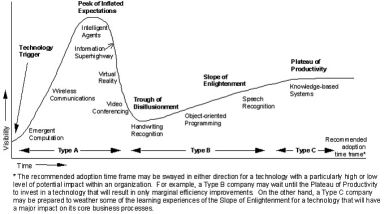
I've been heads-down wrapping up my AU content, so I thought I'd publish at least some of it here. Here's the handout for my "AU kick-off" class which is at 8am on the first day of the conference – the morning after the ADN party – so despite the fact the class is currently full, we'll see if that turns out to be the case. 😉 VR comes of age Presenting 2D images that allow the brain to reconstruct 3D has its roots in the early stereoscopes invented in the late 1830s. These were eventually democratized by Sawyers and their…
-
There's a lot of developer-oriented fun coming up over the coming weeks/months. The ADN team's DevDays tour kicks off in Beijing in a few days, with the largest single event taking place – as usual – the day before AU 2015 in Las Vegas. I'll be there for that, of course, but I've also booked my travel to be in Munich for the main European DevDay + Accelerator during the week of January 18-22, 2016. I'm very much looking forward to spending some more "quality time" with developers from across Europe – it should be a lot of fun (aside…
-
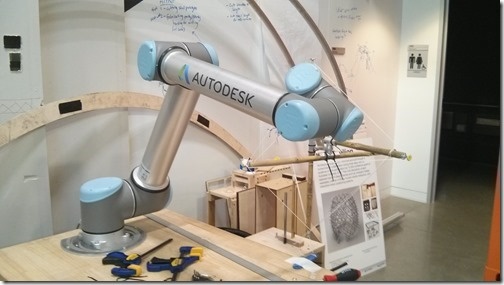
Just to put the cherry on the cake that was my week in San Francisco, I went across to Pier 9, this afternoon, to catch up with David Thomasson and visit the robotics laboratory belonging to Autodesk's Office of the CTO. David and team are working on some really interesting projects. The first will be unveiled at AU 2015 and investigates the potential for humans and robots to build things together that neither group could on their own. Visitors to the exhibit at AU will have tasks to perform in conjunction with robots – with these tasks being coordinated centrally…
-
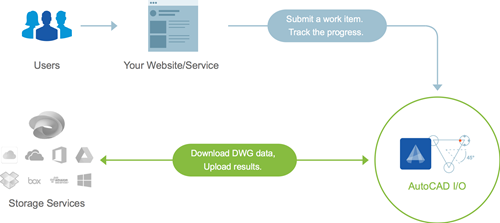
The AutoCAD I/O team has deployed version 2 of their API. For specific information on what's new, check this page. As I'll be talking about AutoCAD I/O at AU 2015, I thought it important to get to grips with the new version and understand how it differs from v1. I went ahead and updated Jigsawify.com to make use of the new API, so I'll add my own commentary below on the changes that have been introduced. As a reminder, the full source code for Jigsawify.com is available on GitHub. To check out the specific migration changes, see this comparison…
-
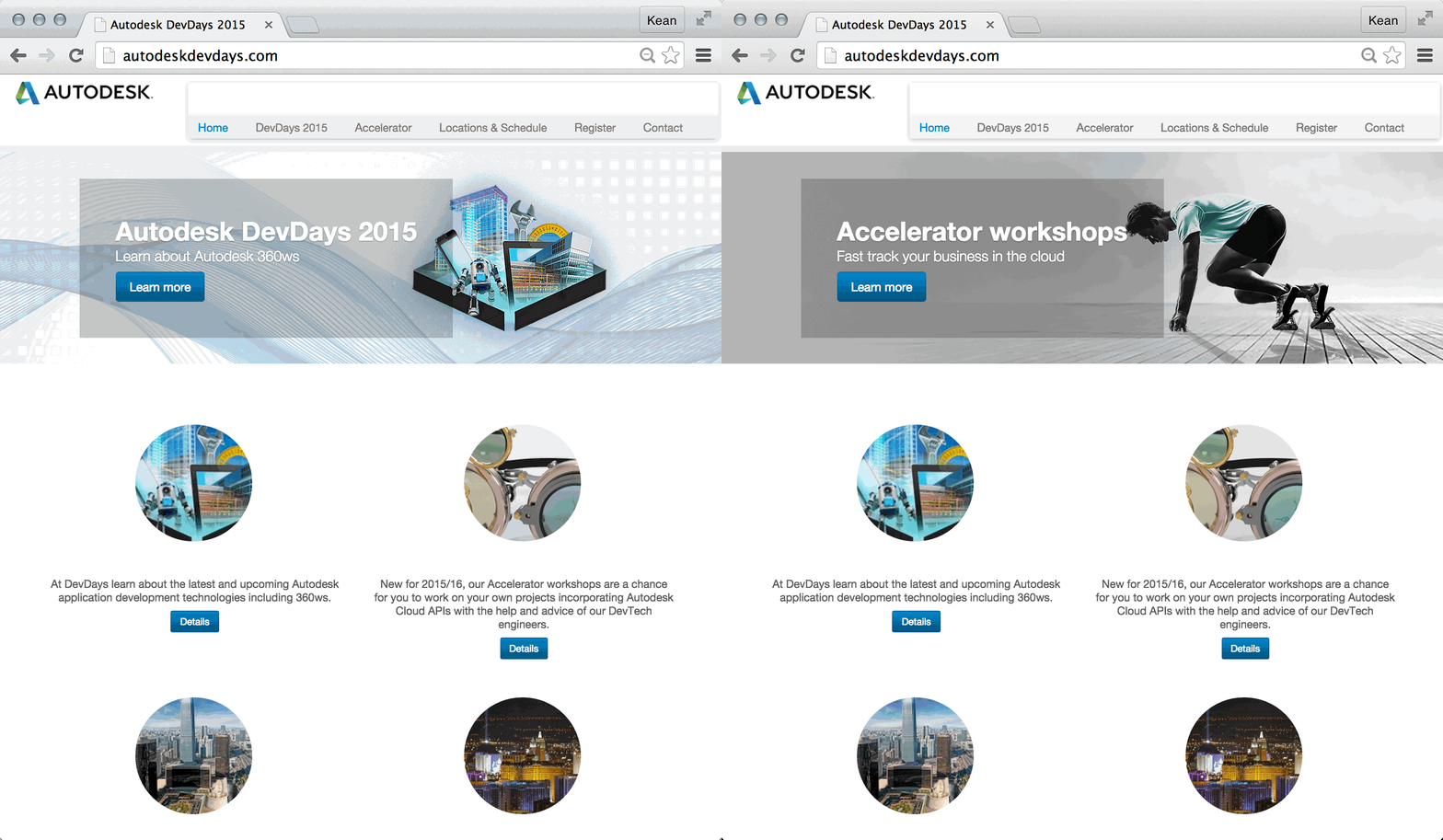
Members of the Autodesk Developer Network have started receiving information on how to register for the upcoming series of DevDays being held around the world. Thanks largely to the positive experience of running Cloud Accelerators in different locations, the ADN team has shifted their thinking for this year's tour: rather than visiting 15+ cities around the world, the team has reduced the number of locations to a few per geography but increased the amount of time being spent in each. 3-4 day Accelerators will be held in a number of cities adjacent to the more traditional DevDay events. This gives…