AU
-
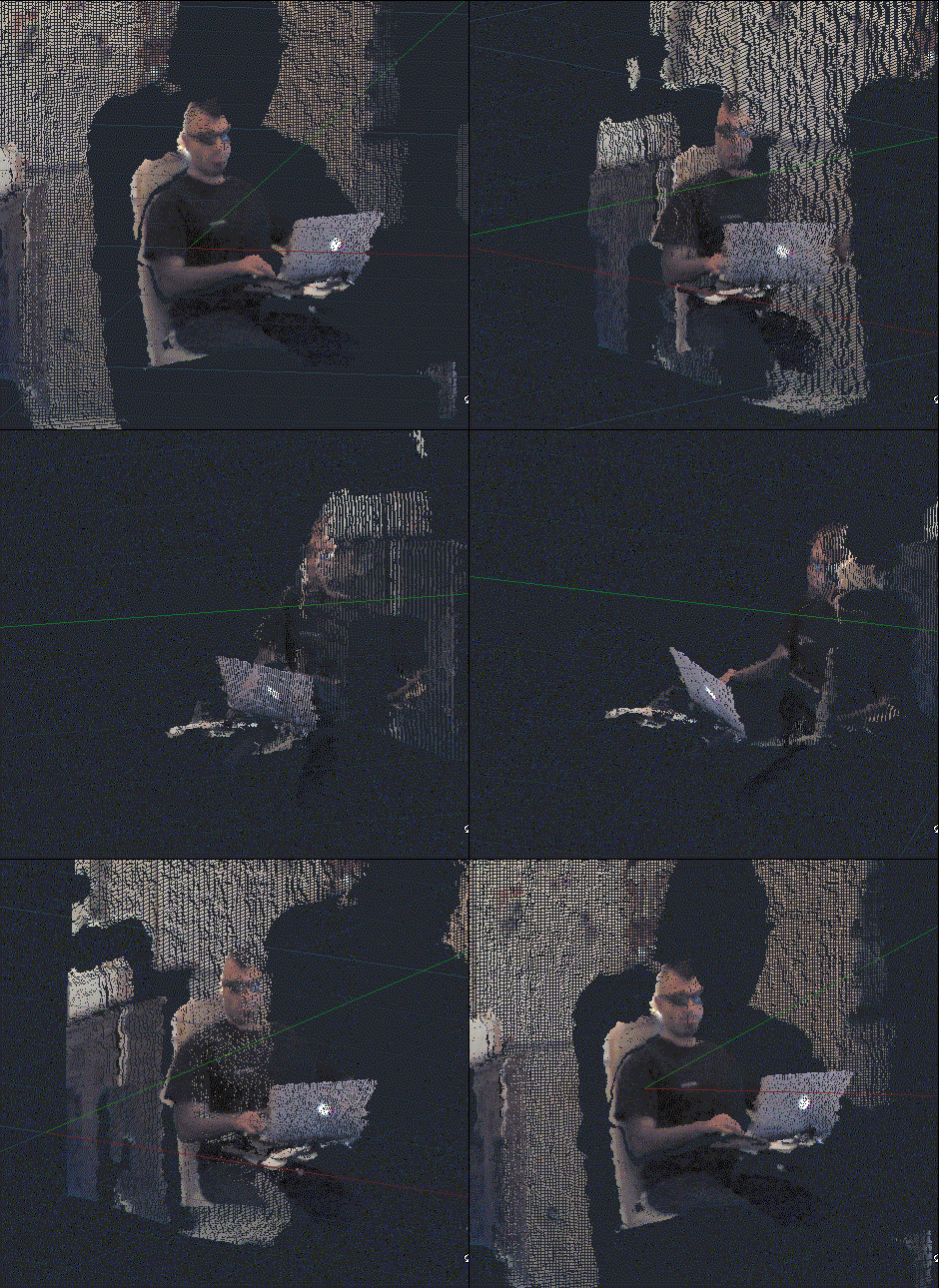
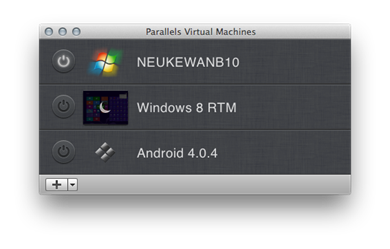
As part of my ongoing procrastination around my AU material development – despite which I'm managing to make some progress… my WinRT stuff is mostly done, now – I went ahead and updated my Kinect samples to use v1.6 of the SDK. The version which finally works from a Windows session inside a Parallels VM on my Mac. Yay! Here is the updated sample project, which includes the face-tracking capabilities shown in this previous post and therefore also requires the Kinect Developer Toolkit. It wasn't really much effort to port: a couple of methods that map depth and colour data…
-
Some interesting news has come through from my friend Micah Dickerson, a Product Manager on the AutoCAD team. He organised the Autodesk-internal APPHACK event I travelled across to the Bay Area for, earlier in the year, and he's just launched another one that's open to Autodesk Developer Network members and runs until November 14th, with the main prize-giving held at AU 2012 in Las Vegas. There are some nice prizes up for grabs: Grand prize: US$5,000 2nd prize: US$2,000 3rd prize: US$1,000 4th prizes: 10 finalists will receive a recently-released tablet computer worth ~$500 * [* This being the week…
-
With my AUv recording out of the way, I've been starting to think more seriously about my AU sessions, over the last few days. The "big one" (with 100+ registered attendees and counting) is about moving code from a desktop application to the cloud, and will basically summarise the process I followed in my "cloud & mobile" series of earlier in the year. Which means I'll go through the process of pulling some code out of a desktop-based application and placing it behind a web-service, before calling the service from a variety of platforms/environments (AutoCAD via .NET, iOS, Android, WinRT,…
-
Over the weekend, from Friday to Sunday, I spent far more hours than I'd have liked finishing off my AU Virtual class for this year, "Secure Your AutoCAD Environment" (I'm increasingly involved in security-related activities for the AutoCAD development organisation). Preparing material for AU Virtual is often pretty tough, whether it's being recorded in person (I've done a couple of those) or being in advance and needing extensively editing. This year's format was a bit different, in that it required multiple modules to be recorded separately as opposed to a single, monolithic recording. Better from a consumption perspective, apparently, and…
-
I've decided to interrupt my series on creating a face-recognising security cam to cover another Raspberry Pi-related topic, this week. I'll try to finish my series write-up for next Wednesday. At the recommendation of an old friend from University, I recently devoured the excellent "Ready Player One" by Ernest Cline. Ernest was apparently born about a year before me, so to say that the copious pop-culture references from the 1980s resonated would be a massive under-statement. I just wish I'd come across it sooner (in time to have a shot at solving the Easter Egg and winning a 1981 DeLorean,…
-
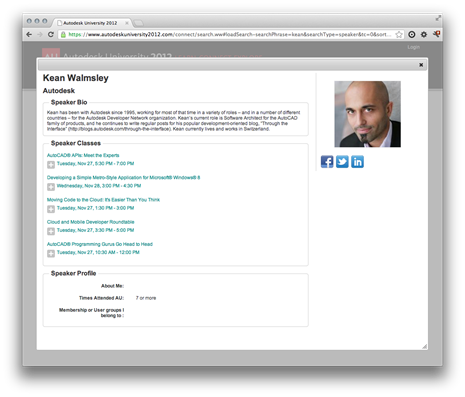
I registered for AU 2012, yesterday. I had originally thought it was opening early for speakers, but apparently not: anyone can now register to attend and receive an early bird discount of $500 (before October 15). If you're interested in seeing what classes are scheduled for this year's AU – which will be held from Nov 27-29 in the Mandalay Bay Hotel, Las Vegas – you can browse the class catalog online. Here are the classes I'm scheduled to deliver or participate in, for instance: As you can see, there's more detail on the class timings than I provided in…
-
Last week, I received confirmation that I'll be presenting a few different classes at AU 2012, which will be held at the Mandalay Bay Hotel in Las Vegas from November 27-28. My main sessions, this year, are in some way focused on cloud & mobile technologies. The subject matter of the first lecture is the recently completed cloud & mobile series, where we'll look at moving desktop functionality to the cloud and using it from a variety of mobile environments: CP1914 – Moving code to the cloud – it's easier than you think! It has a companion roundtable session –…
-
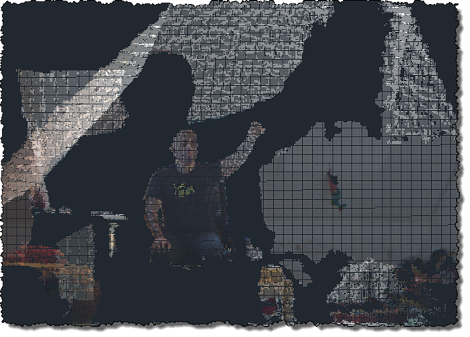
Thanks to some recent coverage on a Channel 9 blog (which I consider a great honour – I've been a huge fan of Channel 9 since its inception :-), I decided to get around to posting an update to the AutoCAD + Kinect samples I demonstrated at AU 2011. While attending the recent hackathon, I spent a fair amount of time porting my AutoCAD-Kinect integration samples from the Beta 2 of the Microsoft Kinect SDK (for the Kinect for Xbox 360 sensor) to the released SDK for the Kinect for Windows. It was pretty impressive just how many of the…
-
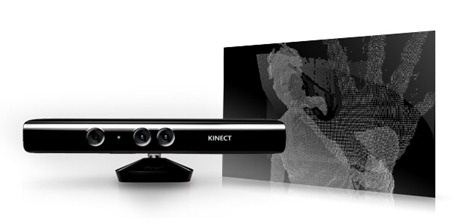
As expected, Microsoft has announced at CES 2012 that Kinect for Windows devices will become available from February 1st, priced at $249. Those of you who attended my Kinect class at AU 2011 will probably remember me speculating about the eventual cost for this device, and that it would preferable for Microsoft to recoup more of their technology investment from the physical devices than they had from the equivalent devices for Xbox 360, and therefore avoid developers having to pay Microsoft directly for the use of their SDK. I think I suggested it'd be fine to pay $200 or more…
-
On the day I left AU, I facilitated an unconference session (CP4459-U) on AutoCAD .NET development, focusing on tools and best practices. It was a really good session: well attended with plenty of participation. As promised during the session, I'm posting the notes to this blog even though they may not make a great deal of sense to anyone who didn't attend. We didn't complete all the topics we brainstormed at the start of the session, but I've nonetheless left those at the end of the notes. Source editing Main tools LISP: Notepad++, Multi-edit, Vi, Textpad, Crimson Editor .NET: Express,…