Point clouds
-
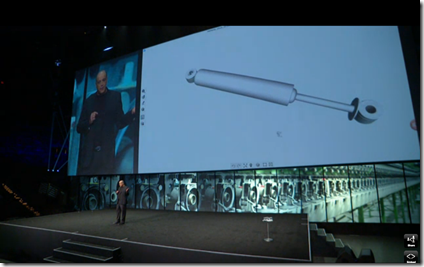
The Memento product got some well-deserved airtime at Autodesk University 2014: it had prominent mentions during both the opening and closing keynotes. A new version has now been pushed live to Autodesk Labs and comes with some really useful enhancements. Full details can be found on Scott's blog. I'll start by talking about three enhancements I made use of for a specific project. My goal was to take some OBJ files – which had previously been generated from photos and exported by Memento – and set the coordinate system correctly for viewing in A360. Well, for use with the View…
-
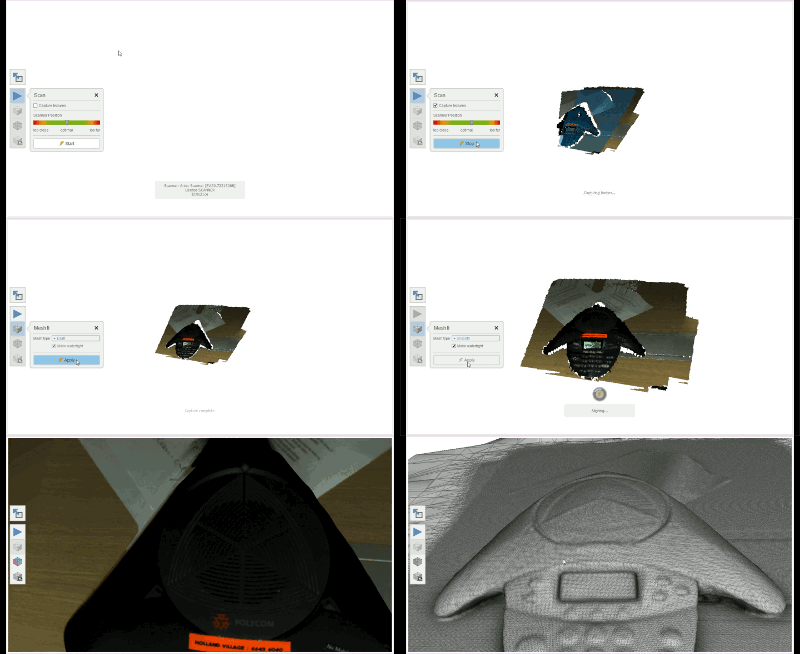
Some exciting news from the Reality Computing team: Project Memento – which has been updated to v1.0.11.3 on Autodesk Labs – now supports direct input from the Artec 3D Eva scanner. You can scan a 3D object or scene – generating a mesh – directly in the Memento software. I've been hoping/waiting for this to happen for some time. Here's a quick GIF showing – in broad strokes – how the process works. I've basically put a bunch of screenshots together – these were captured manually rather than at regular intervals – to show the flow in a lightweight manner,…
-

As reported over on Scott's blog, Project Memento v1.0.10.5 is now available on Autodesk Labs. I won't repeat the specific new features in this release – Scott covers those thoroughly – but I will say that I'm personally most excited about trying the improved .OBJ and .FBX export and the workflows that they enable. To find out more about Memento, there's a webinar on Wednesday October 15 at 9am Pacific talking about the tool. During the webinar, Tatjana Dzambazova – whom you may have seen in her excellent TEDx session – will cover topics such from uploading photos, working with…
-
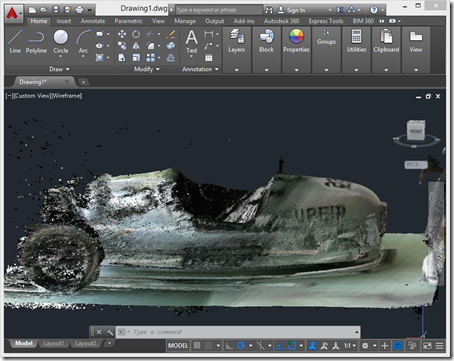
After introducing the series, taking a look at some basic samples and then looking at importing Kinect's high-definition face tracking data into AutoCAD, it's time for (in my opinion) the most interesting piece of functionality provided on the Kinect SDK, Kinect Fusion. Kinect Fusion is a straightforward way to capture 3D volumes – allowing you to move the Kinect sensor around to capture objects from different angles – and the KINFUS command in these integration samples let's you bring the captured data into AutoCAD. Which basically turns Kinect into a low-cost – and reasonably effective – 3D scanner for AutoCAD.…
-
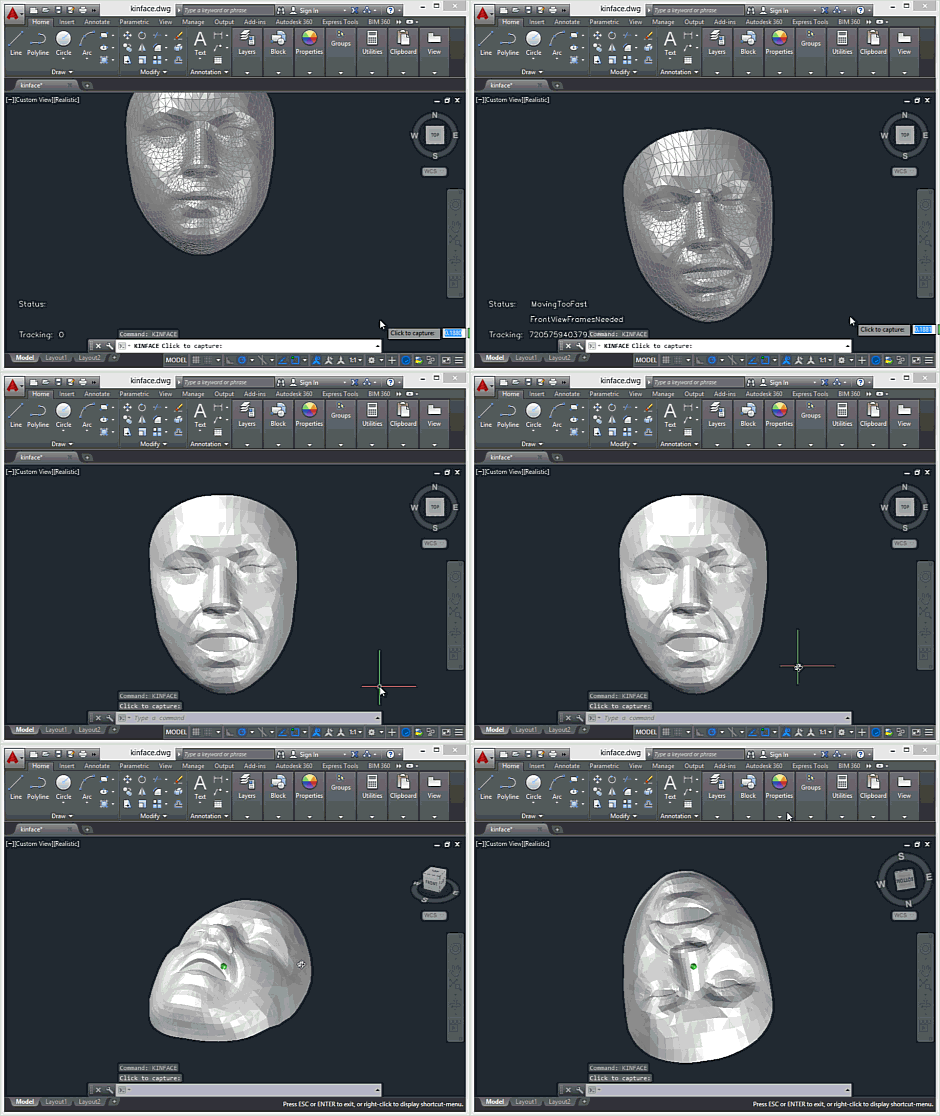
Today's post looks at face tracking and – to some degree, at least – Kinect Fusion, two more advanced Kinect SDK features that go some way above and beyond the standard samples we saw in the last post. In Kinect for Windows v1, these features belong to an additional "developer toolkit", although they appear to have been fully integrated into the core Kinect SDK for v2. At least that's the case in the preview SDK. There are some additional runtime components you'll need to copy across into AutoCAD's program files folder to make use of these features: you'll need Kinect20.Face.dll…
-

Following on from the introduction to this series – and to the Kinect for Windows v2 sensor – it's time to take a closer look at some of the AutoCAD integration samples. At the core of the Kinect sensor's capabilities are really two things: the ability to capture depth data and to detect people's bodies in the field of view. There are additional bells and whistles such as audio support, Kinect Fusion and face tracking, but the foundation is really about RGB-D input and the additional runtime analysis required to track humans. Let's take a look at both of these.…
-
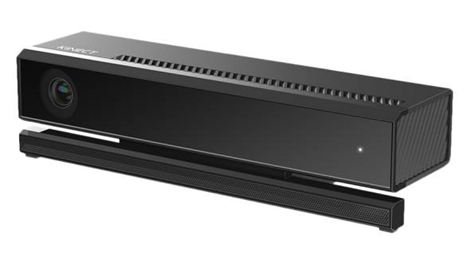
Last Friday Microsoft announced a preview SDK for Kinect for Windows 2. As the first public release of the SDK, it seems a good time to publish an initial set of samples for readers to play with. These are very much a work in progress – I tend to restart AutoCAD between Kinect Fusion captures, for instance, as otherwise I've been getting regular crashes – but they should give people a sense of what's possible. And while I haven't yet implemented certain capabilities we had before, I have gone ahead and snuck a few enhancements in (which you'll see in…
-

A few weeks ago I received the official retail version of Kinect for Windows 2 (having signed up for the pre-release program I had the right to two sensors: the initial developer version and the final retail version). After some initial integration work to get the AutoCAD-Kinect samples working with the pre-release Kinect SDK, I hadn't spent time looking at it in the meantime: the main reason being that I was waiting for Kinect Fusion to be part of the SDK. The good (actually, great) news is that it's now there and it's working really well. For those of you…
-
The Memento team has been beavering away, delivering a number of updates containing some really interesting features that I've so far neglected to mention. In the latest release (hosted on Autodesk Labs on the Autodesk Feedback Community), for instance, you can now access point cloud data via RCP export, as well as being able to generate 3D reconstructions with "Ultra" quality and smart textures (these are features you'd normally have to pay for when using Photo on ReCap 360, but this is being provided for free while it's still on Autodesk Labs). Here's a quick reverse chronological look at recent…
-
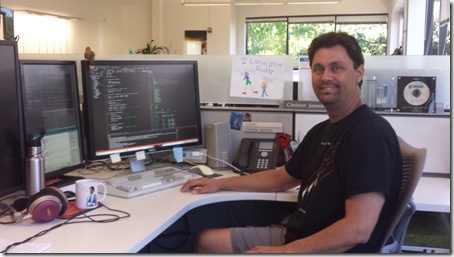
My good friend and colleague, Christer Janson, was named 123D's Maker of the Day a couple of weeks ago. This post is to congratulate Christer but also to talk about Christer's background at Autodesk and the key role he plays in the AutoCAD team. I met Christer during the second round interview for my first job at Autodesk, back in 1995. I'd flown across to Switzerland for the interview, although the job itself was to be in the UK: it was a couple more years before I managed to move to Neuchatel for the first time. Back then Christer was…