Unity3D
-
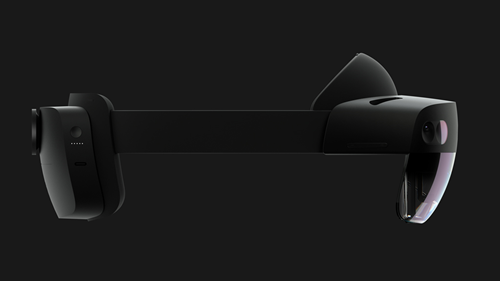
Our Technology Centers team has posted an interesting RFP on LinkedIn: they've been working with Microsoft to make HoloLens 2 headsets available to Technology Center residents interested in exploring mixed reality workflows for the AEC and Manufacturing industries. It seems pretty straightforward: if you're interested in developing a mixed reality solution – whether using Unity, Unreal or WebXR – then you need to submit your proposal before August 24th, 2020. If accepted you'll be invited into our residency program and provided a HoloLens 2 device for 6 months (with the possibility of extending the term, if needed). This seems like…
-
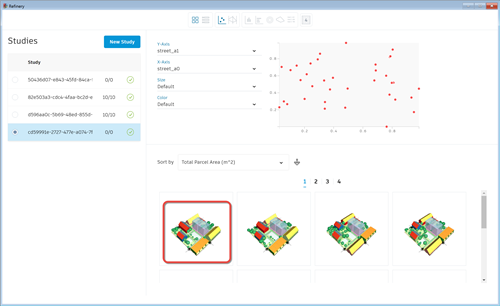
It's time to talk about a little project I started over the holiday break: connecting Project Refinery – the optimization engine for Dynamo that will help drive Generative Design workflows – to Virtual Reality. It's a project I've been thinking about for some time, now, and was originally inspired by two things: the workflow Van Wijnen uses Refinery for makes heavy use of VR for visualization – to evaluate designs with internal stakeholders – but right now they export the geometry from Dynamo to Revit and then use Enscape to visualize the scenes. It's not a complicated process, but it…
-
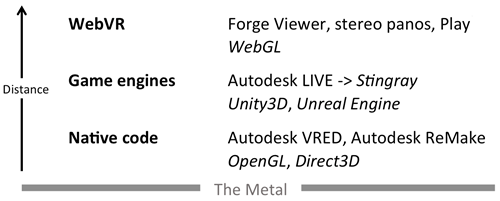
I received an email from a development partner yesterday checking in on Autodesk's VR offerings. It occurred to me that while I've spoken about them at the DevDays in the US and Europe, I haven't posted anything here. So here's some fairly up-do-date information on what technologies Autodesk has in the VR space. The way I've been tending to classify VR offerings in general is around the "distance from the metal": i.e. how much (relatively speaking) of the software stack does the executing code need to go through to get down to the display hardware. This is a somewhat arbitrary…
-
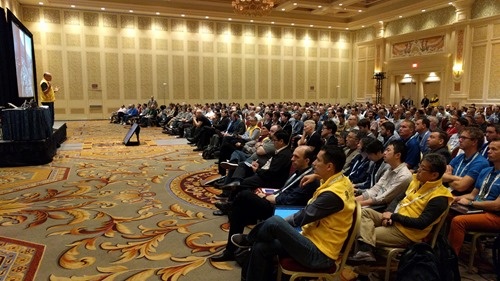
Yesterday Autodesk held its first Developer Day of the 2016 season with a pre-conference event ahead of Autodesk University 2016 in Las Vegas. My old pals at the Developer Network team had asked me to participate, so I came along and presented a session on Virtual and Augmented Reality at Autodesk. The main event was primarily about Forge, natureally enough. It's great to see how the platform's evolving, over time. During the VR/AR session we spent time looking at various VR-related technologies available from Autodesk, and then demoed a couple of AR prototypes Cyrille Fauvel and I had created. My…
-
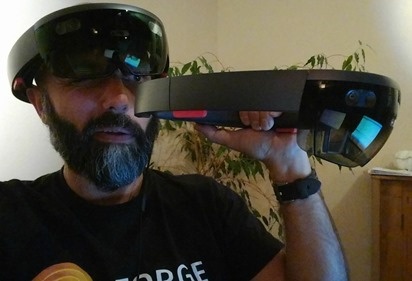
It was an interesting week, last week, getting two HoloLens devices to coordinate. After talking about the network infrastructure, last time, today we're going to look at other levels of the problem. Logistically there's a requirement to have two devices: it might be possible to get it all working with a mix of devices and emulators, but that seems like a stretch. And you'd need – in any case – to test with physical devices at some point. The good news is that HoloLens distribution is gradually opening up – with devices now available to pre-order in Australia, Ireland, France,…
-
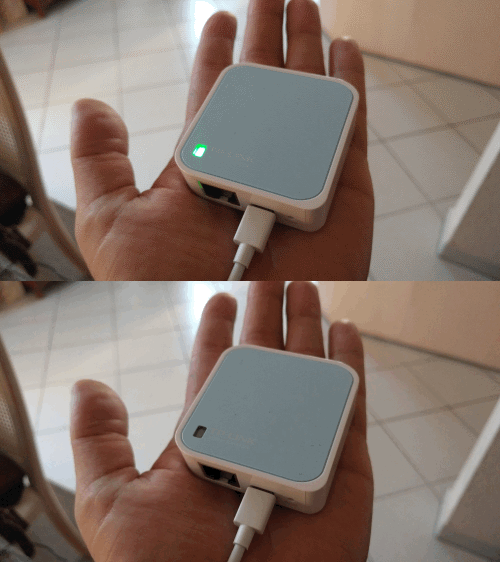
I've been starting to work on extending the "Dancing Robot" HoloLens project to have a shared hologram: basically to have the position changes shared between devices, as well as the angles and speeds of the various parts of the robot arm. There's quite a lot to this. There needs to be a server somewhere that coordinates the messages sent between the various devices. There needs to be a shared concept of space, so that devices that are in the same room but in different locations – which is all of them, at least for the usage scenarios I'm currently considering…
-
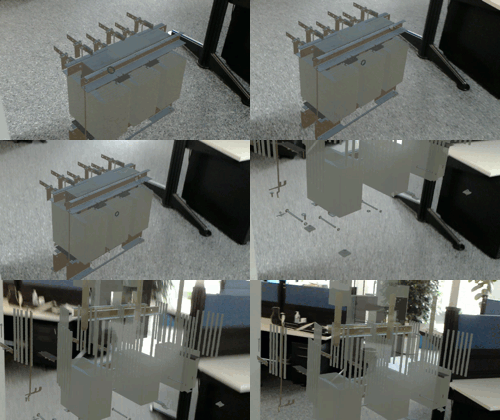
I've been looking at using HoloLens for more "serious" applications (yes, beyond dancing robots :-). One simple prototype I've worked on over the last few weeks – once again with the help of Tom Eriksson, who did another stellar job transforming the CAD data into a good-looking Unity model – is to show an electrical transformer and allow the user to pinpoint a technical problem inside it for the purposes of (hopefully predictive) maintenance. Here's a quick demo video, showing a prototype where we open up the electrical transformer and show its insides before scaling and exploding it and then…
-
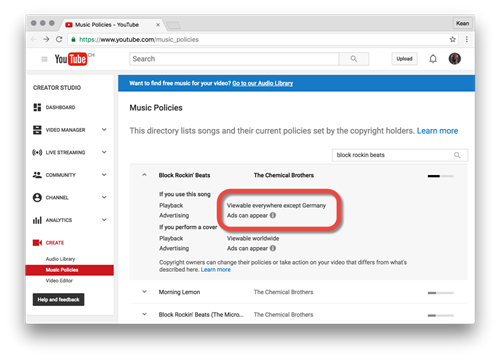
Just out of curiosity, this morning I decided to go and check the YouTube video we saw in the last post. I'd realised from my messing around with the Star Wars opening crawl that if you include copyrighted content in a video, then sometimes ads get included, too, with the proceeds benefiting the copyright owner. Which is absolutely fair enough, as far as I'm concerned. What I hadn't realised is that some copyrighted content isn't viewable in certain countries, presumably at the request of the copyright owner. So due to its use of a Chemical Brothers track, my last video…
-
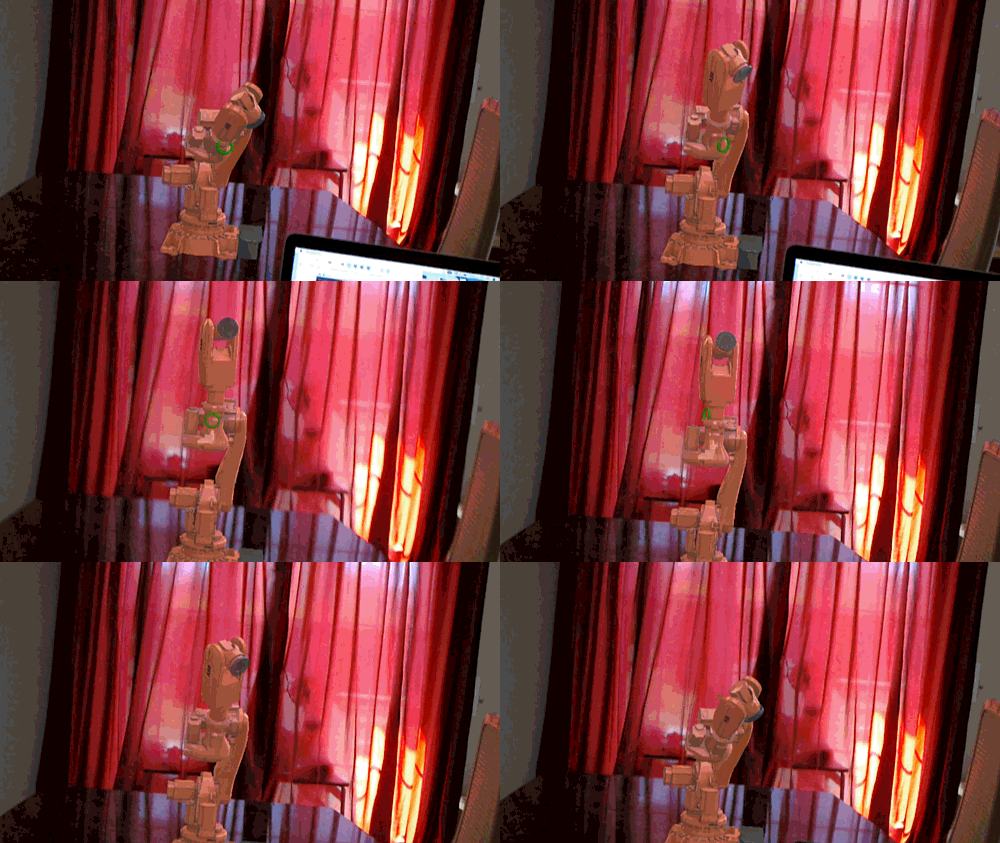
As promised, way back when we started this series of posts looking at various Windows Holographic platform capabilities to build an app that displays an animated ABB industrial robot inside HoloLens, here's the part where we make it dance. 🙂 During Autodesk Switzerland's 25th anniversary party in late October, people will be able to give the app a try and hopefully see the robot dancing along to whatever tunes the DJ plays. Let's talk a bit about how the system works… Quite early on I decided against doing the additional audio processing directly on the HoloLens device itself. So I…
-
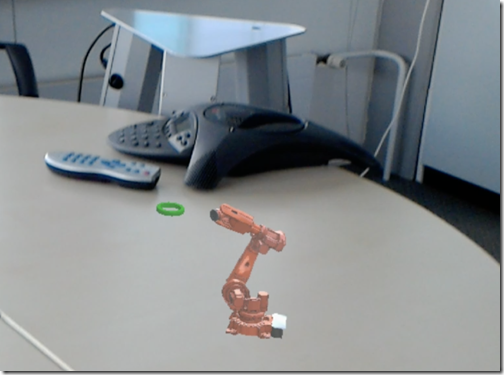
This was a fun piece of functionality and super easy to add. I'd seen a few HoloLens demos where you can scale the model up and down using "bigger" and "smaller" voice commands. There's even some code in the HoloLens Toolkit that does it. But until I'd actually added it to our robot application, I hadn't really understood how interesting it was. You can scale a model down and have it sit on your desktop… …or you can scale it up to 10x its realworld size and inspect it in unbelievable close-up mode. From the inside! (Although in fairness the…