AutoCAD
-
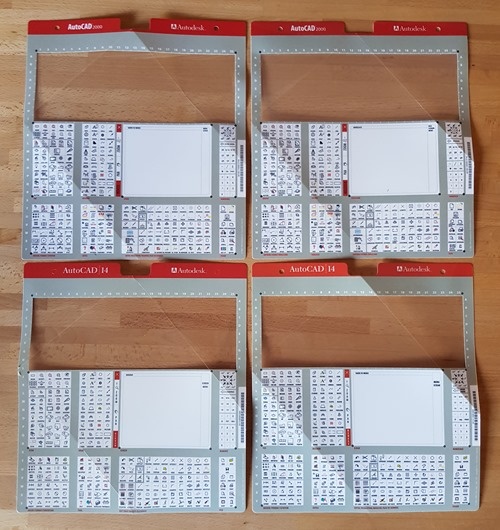
Firstly, I'd like to thank the few people who engaged on the last One Man's Trash, which was clearly (but hopefully not too clearly) an April 1st prank. I'd have expected more people to "bite", but then it was posted over the weekend, so perhaps not that many people saw it. Or perhaps it was obviously just for fun, in which case I hope people appreciated it at some level. Anyway, today's giveaway is fo realz, yo. An old friend and colleague in our Localization department, Paul-Henri Arnaud, dug out a number of digitizing tablet overlays dating back to the…
-
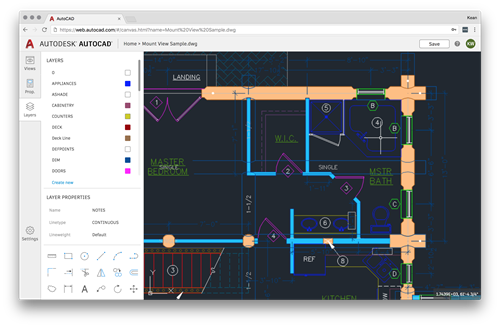
Yesterday was a big day for the AutoCAD product. A multi-year engineering project – started in the AutoCAD team way back when I was part of it – culminated in its first deliverables getting into the hands (or, in this case, browsers) of customers. The AutoCAD team has been working on a project codenamed "Fabric" for the last several years. It's has been a huge amount of work – something I'll hopefully get into in a future blog post – but it's finally bearing tangible fruit. In broad strokes the work was to take the core of AutoCAD and make…
-
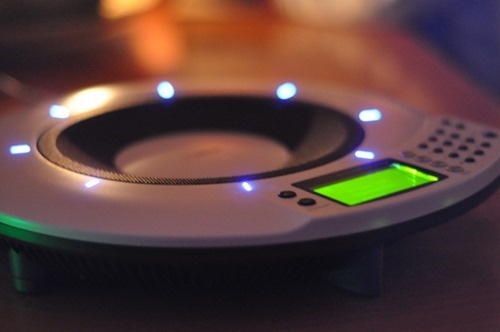
For those of you who (like me) missed this year's in-person DevDays – or perhaps have colleagues who would benefit from seeing sessions you managed to attend yourself in Las Vegas or elsewhere – you'll be interested to hear that DevDays Online will be disseminating all that DevDays goodness over the wire during the month of February. The great news is that this isn't being limited to ADN members: anyone can sign up and attend. The sessions will also be recorded, in case any are at times that don't work for you. You can register to attend the various sessions…
-
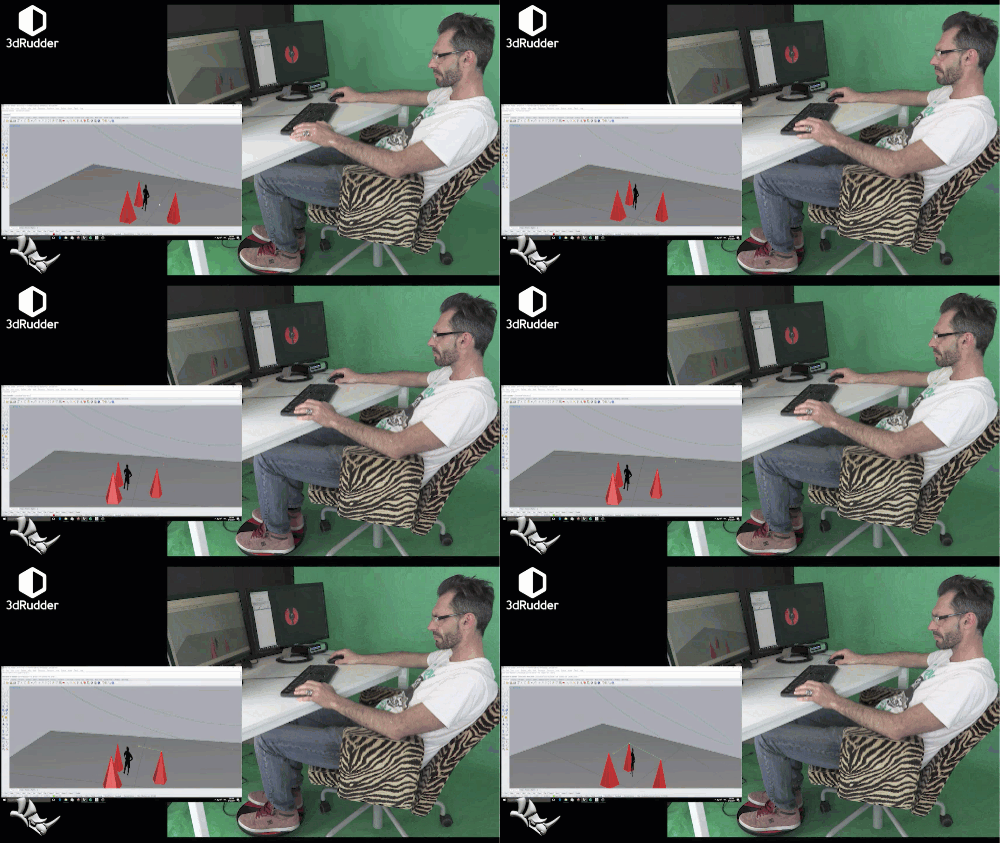
I mentioned this device, late last year, and have been meaning to spend time integrating it into AutoCAD ever since. The 3dRudder is an interesting perpheral: while currently targeted at helping seated VR users navigate intuitively in 3D – effectively keeping their hands free – it was originally intended for CAD users. So it's nice that it's going back to its roots, as it were. Here's an excerpt of a video of Christian Slater demoing the 3dRudder integration with Rhino (I'm kidding about it being Christian Slater – he just looks a bit like him :-). Over the last few…
-
The AutoCAD team recently released a preview version of a new AutoCAD web viewer. Give it a try using the latest version of Chrome. What's interesting about this is that it's very much a taste of things to come – something I alluded to in this recent post. Here are some screenshots: The top three thumbnails link to standard models so that you can quickly take the new viewer for a spin: Here's the "Plumbing.dwg" drawing loaded in the browser: The text on the left of this page is very interesting, particularly the piece I've highlighted below in bold. New…
-
While I'm not spending much time working with AutoCAD, these days, I've been waiting impatiently for the release of AutoCAD 2018 (codenamed "Omega"). There's one key feature, in particular, that I've been waiting for – but more on that later. From a user perspective you can find information on the new release in this blog post and this preview guide. There's also a subset covered in this intro video, if that's your preference: Here are a few notes on the major user features. Some of these features were already part of the 2017.1 release, but many people will…
-
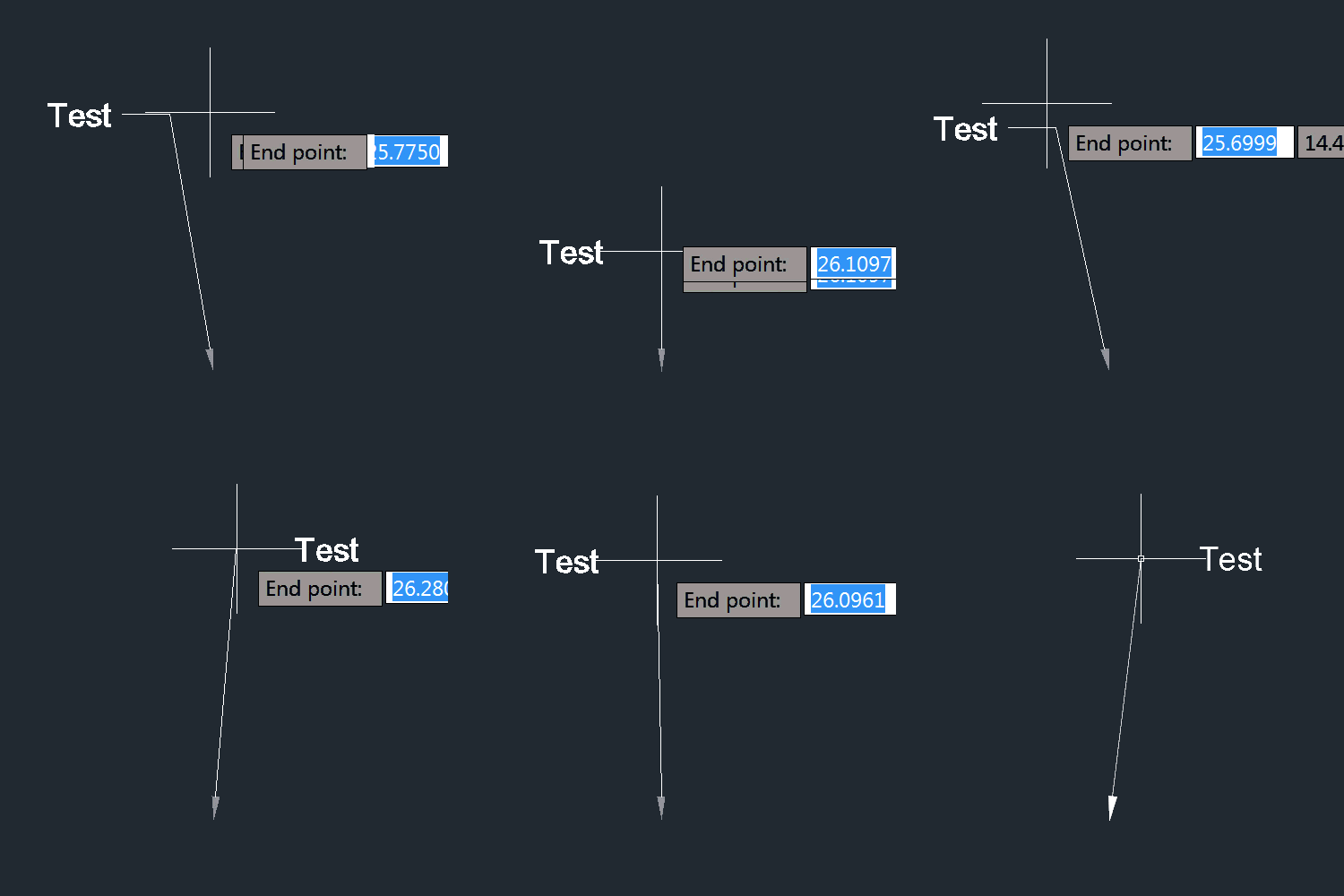
I'm sure some of you will be relieved to see I can still (more or less) manage to write code for AutoCAD… the last few days I've been feeling quite under-the-weather, so today's post is a little bit of "comfort code": sometimes while you're brain is struggling to handle the unfamiliar, it's very happy to tackle the familiar. At least that was the plan, and the reason I decided to tackle this recent question from Thomas Heitz: I would like to write an code to change automatically the structure label style while dragging the label. So I created two labels…
-
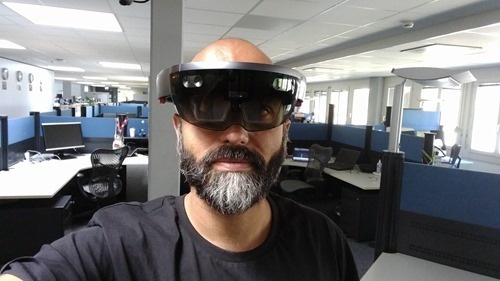
Over the last few days we've held Autodesk's first internal, global Hackathon. I started off by not wanting to join a team – I did sign up as an "evangelist", which it turns out means I'm also a judge – but in the end I decided to create a simple HoloLens application. And then Jeremy Tammik suggested we join forces, so we actually were a team, all of a sudden. From my side I focused on creating the HoloLens application – which receives path information from somewhere and displays that to the user – as well as the 2D AutoCAD…
-
We have an internal company Hackathon being held at Autodesk locations around the world on September 6th and 7th. The theme for the event is "What's Next?" and there are variety of sub-themes under which the hacks can fall: Computer as collaborator Future of product interfaces Internet of Things Social good / Sustainability The future of anything else I signed up some time ago to be an "evangelist" for the event, which means I'm a resource for people in the local Neuchatel office should they have questions about VR/AR and IoT (which fall under the second and third sub-themes, respectively),…
-
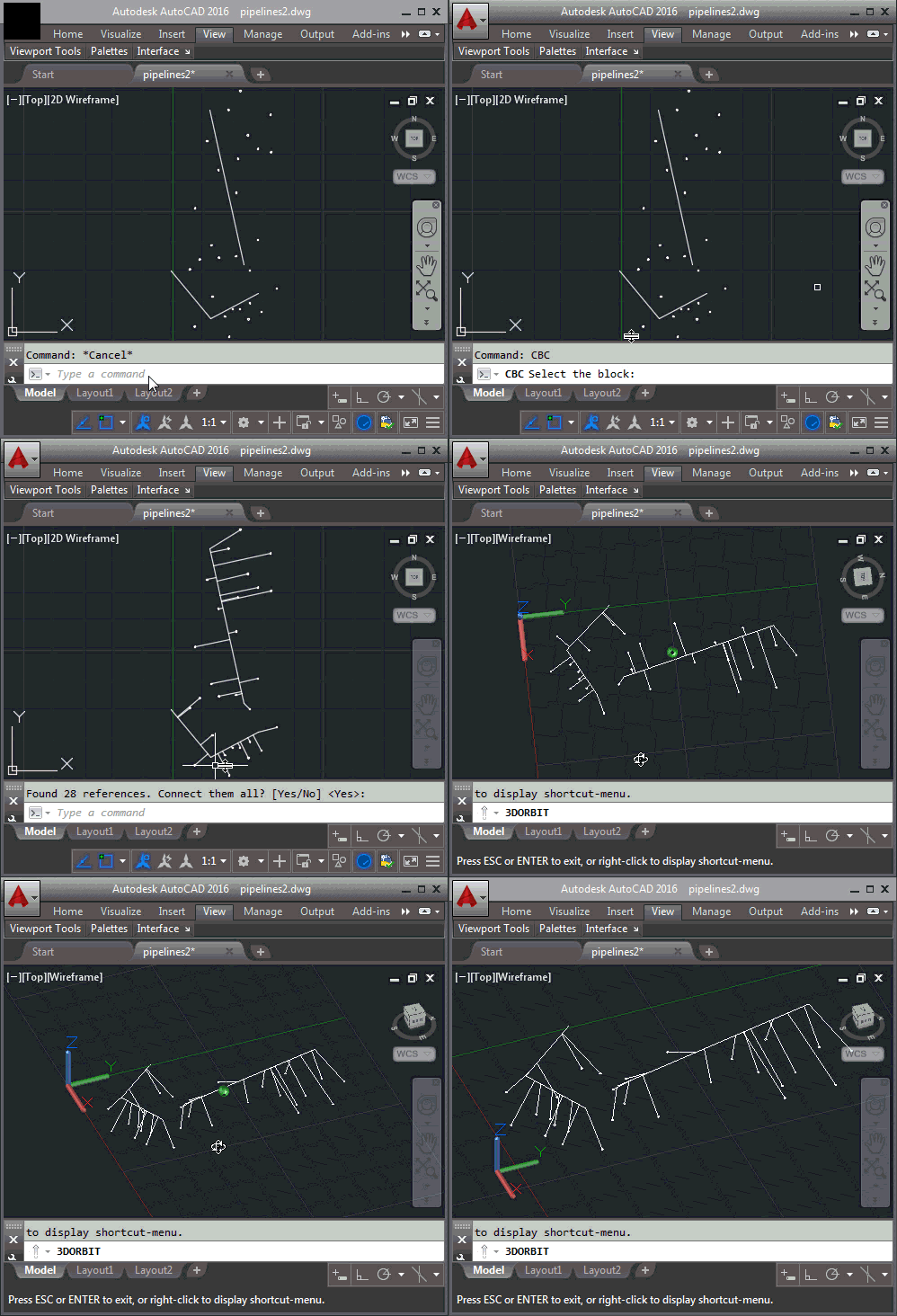
In the last post we saw a simple command that connects a block with a curve via a line that starts at the insertion point and meets the curve at its closest point. In this post we're going to see how we can search the modelspace for the nearest curve and connect each block to that. There are a few interesting techniques used in this post's code: We use the dynamic keyword to count the block references for a particular block without starting a transaction (as we're still in the user input phase, at that point). We're going to use…