AutoCAD
-
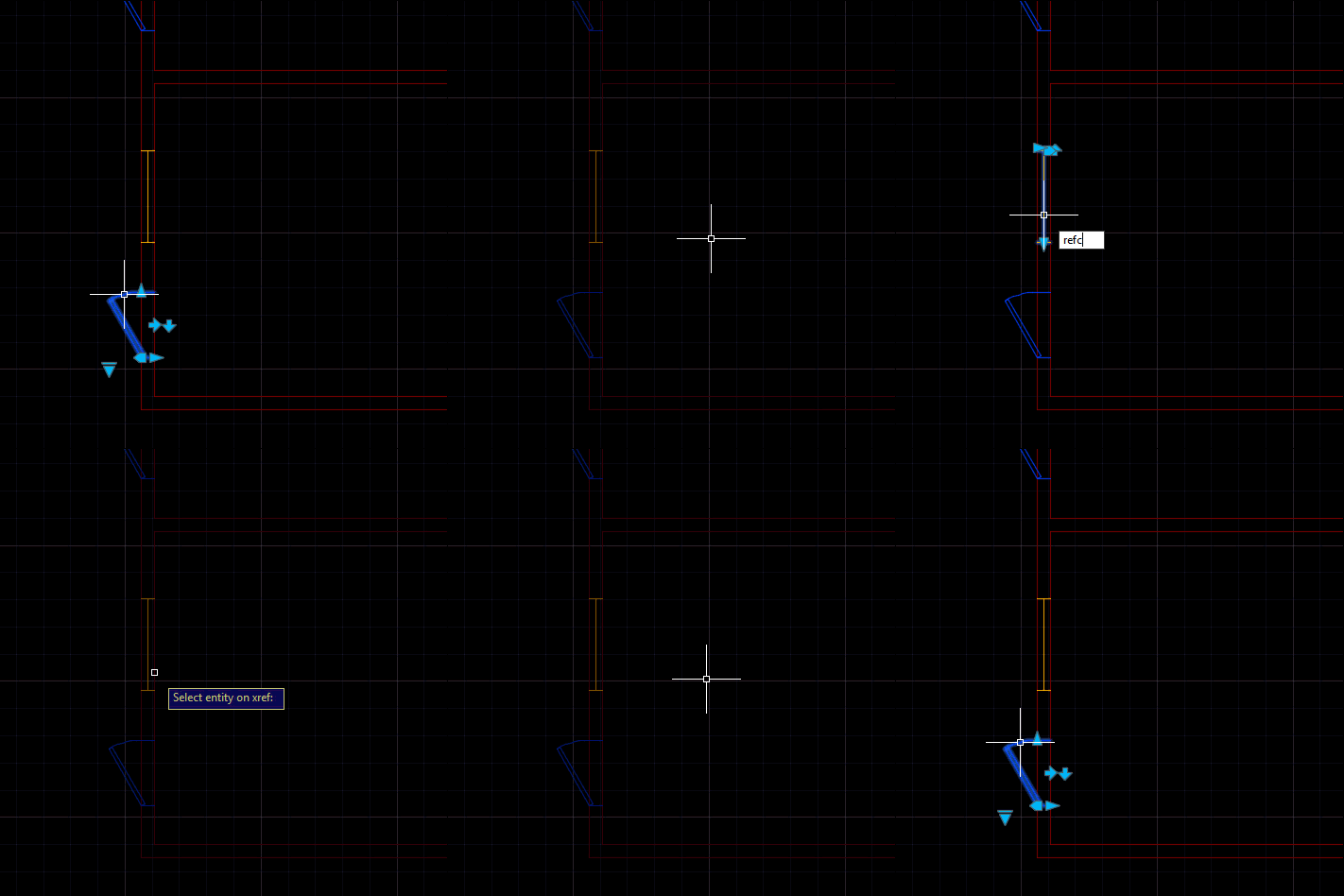
A really interesting problem came up during an internal discussion, this week: someone wanted to launch the REFEDIT command on a selected xref and pre-select the entity found at the picked point. The entity that's part of the selected xref, of course. This turned out to be quite a tricky problem and yet one that could be solved with relatively few lines of code. The tricky parts were finding the right entity in the nested selection and then the corresponding entity in the xref. Here's the approach I ended up taking: Ask the user to selected a nested entity Get…
-
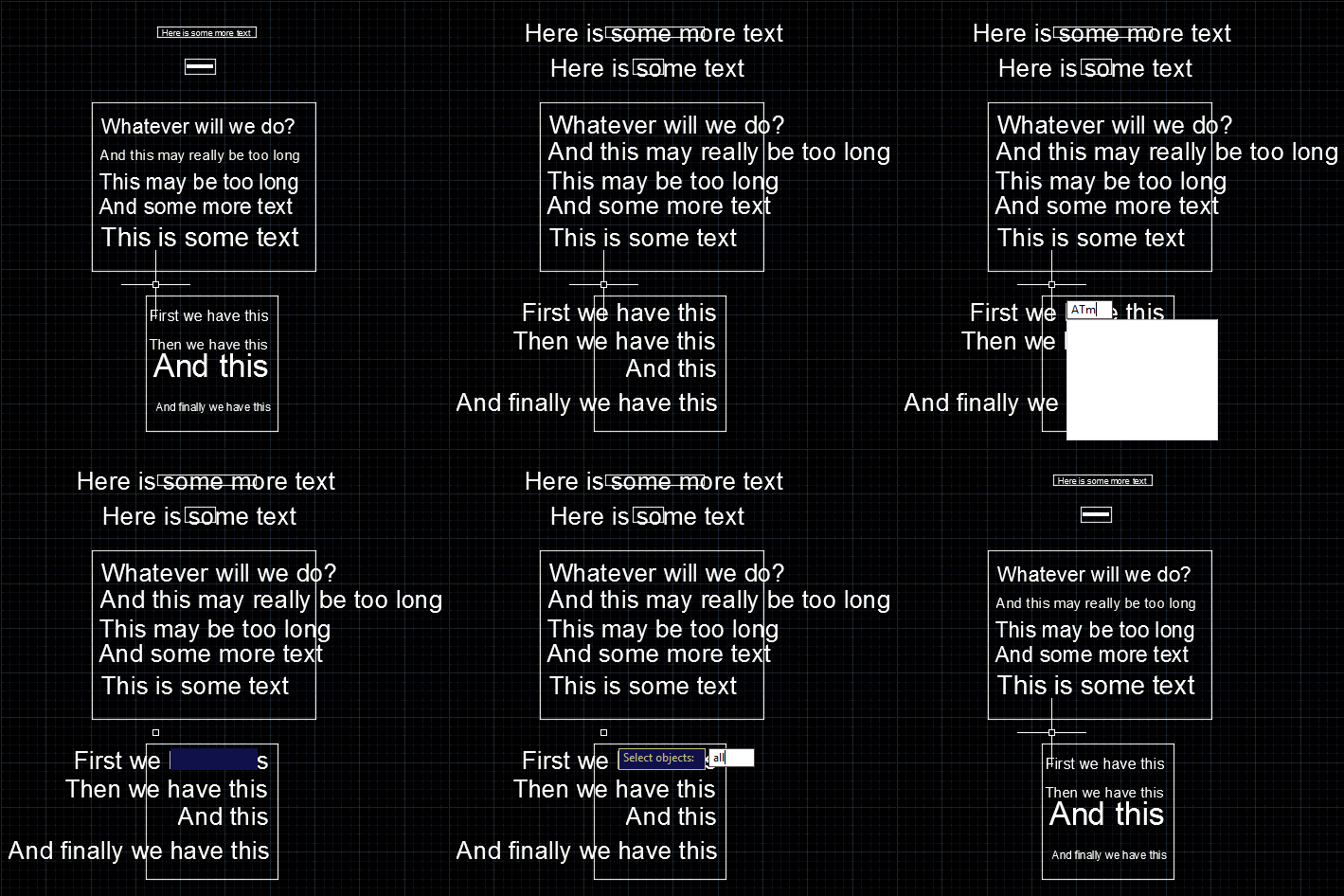
This is a follow-up to the post where we modified the size of selected text in a drawing, to make it fit its container. I received this comment last week: instead of selecting the nested entities one by one, is it possible to make a "selectall" selection ? It turns out that the question was related to a completely different post, but by the time I realised I'd already completed most of the work. It seems a very valid question for this topic, so that's fine. 🙂 Looping through all the text – some of which may be nested inside…
-
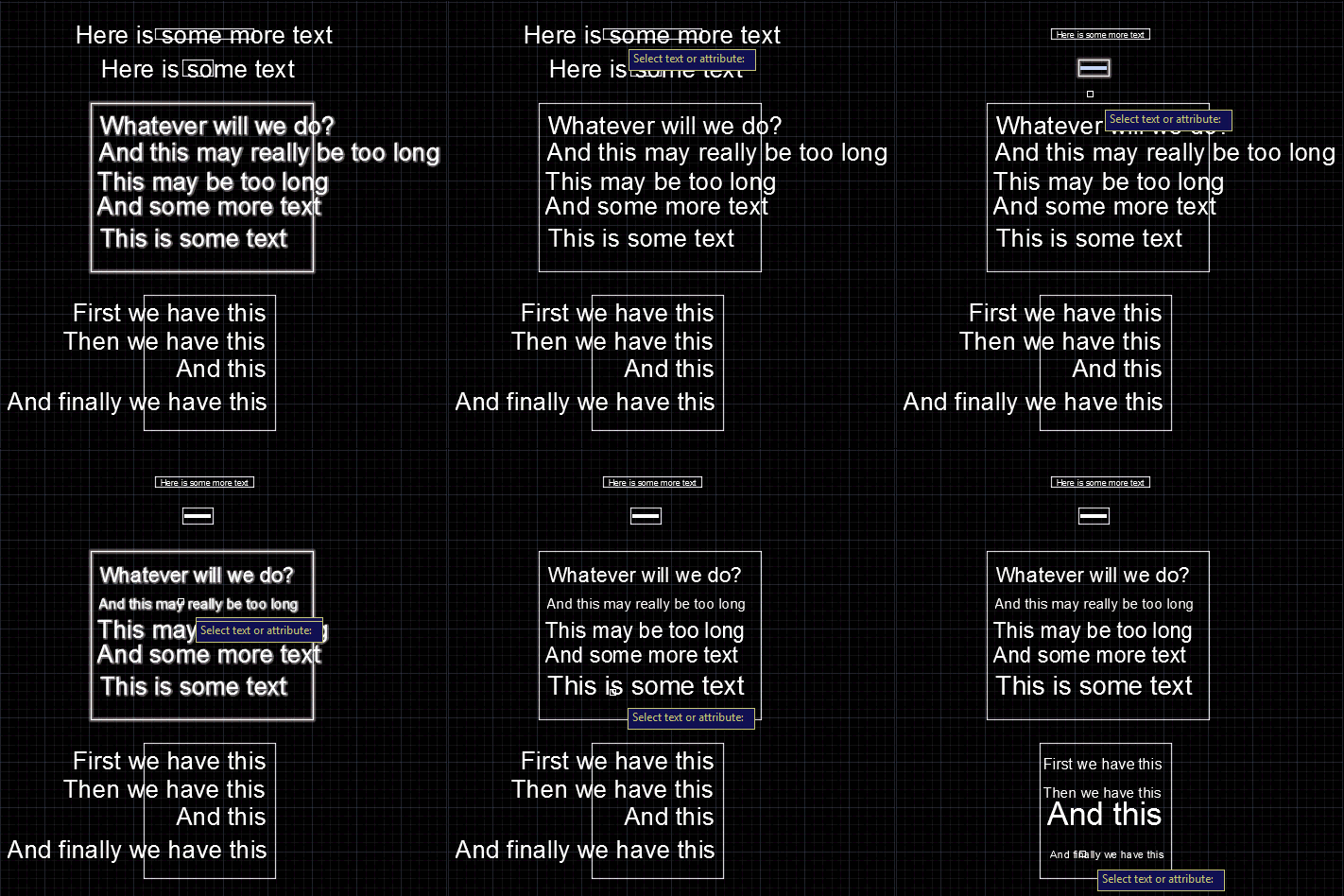
We started this series by looking at how to get the centroid of a region, and then how to create text that fits an arbitrary space. In this post we're going to wrap up by looking at the original question of how to resize block attributes to fit their container. The core algorithm is actually very similar to the code we saw in "space labelling" application: it's simply been refactored to be more general and forms the basis for both the previous and the new commands. Here's the C# code: using Autodesk.AutoCAD.ApplicationServices; using Autodesk.AutoCAD.BoundaryRepresentation; using Autodesk.AutoCAD.DatabaseServices; using Autodesk.AutoCAD.EditorInput; using Autodesk.AutoCAD.Geometry;…
-
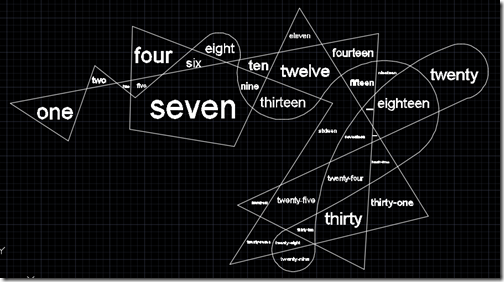
After the last post, where we saw how to get the centroid of a Region, today we're going to use that information to place some text inside a detected space. To restate our process from last time: The user selects a point Call Editor.TraceBoundary() to determine the containing space Call Region.CreateFromCurves() with the resulting geometry Determine the centroid of the Region Check whether the centroid is actually inside the Region If it is, then generate some text to place (we could also have asked the user for this, of course)… … and then calculate the size of the text such…
-
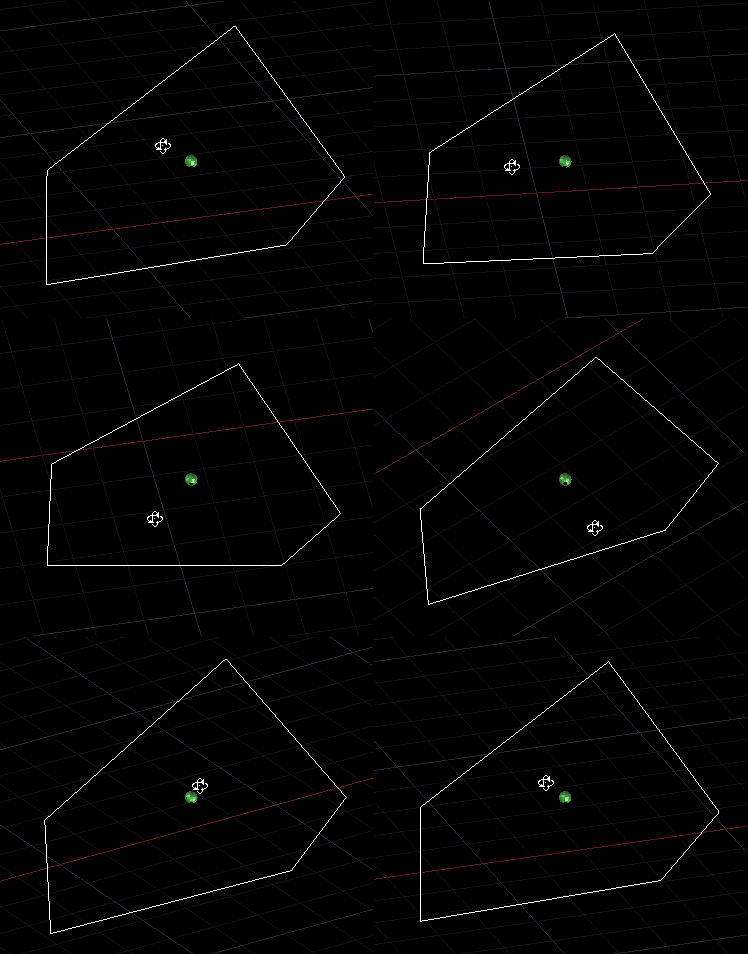
This week we're going to look at an interesting problem: how to create text that fits into a particular space. The scenario was originally presented (to me, anyway) by Alex Fielder, early last year (thanks, Alex!), but it's taken a while for me to get to it. Alex wanted to check for the extents of block attributes overflowing their containers. I may well go ahead and implement that, in due course, but first I wanted to let the user select a space and create some text to fill it. Let's take a look at how to make this happen. Here's…
-
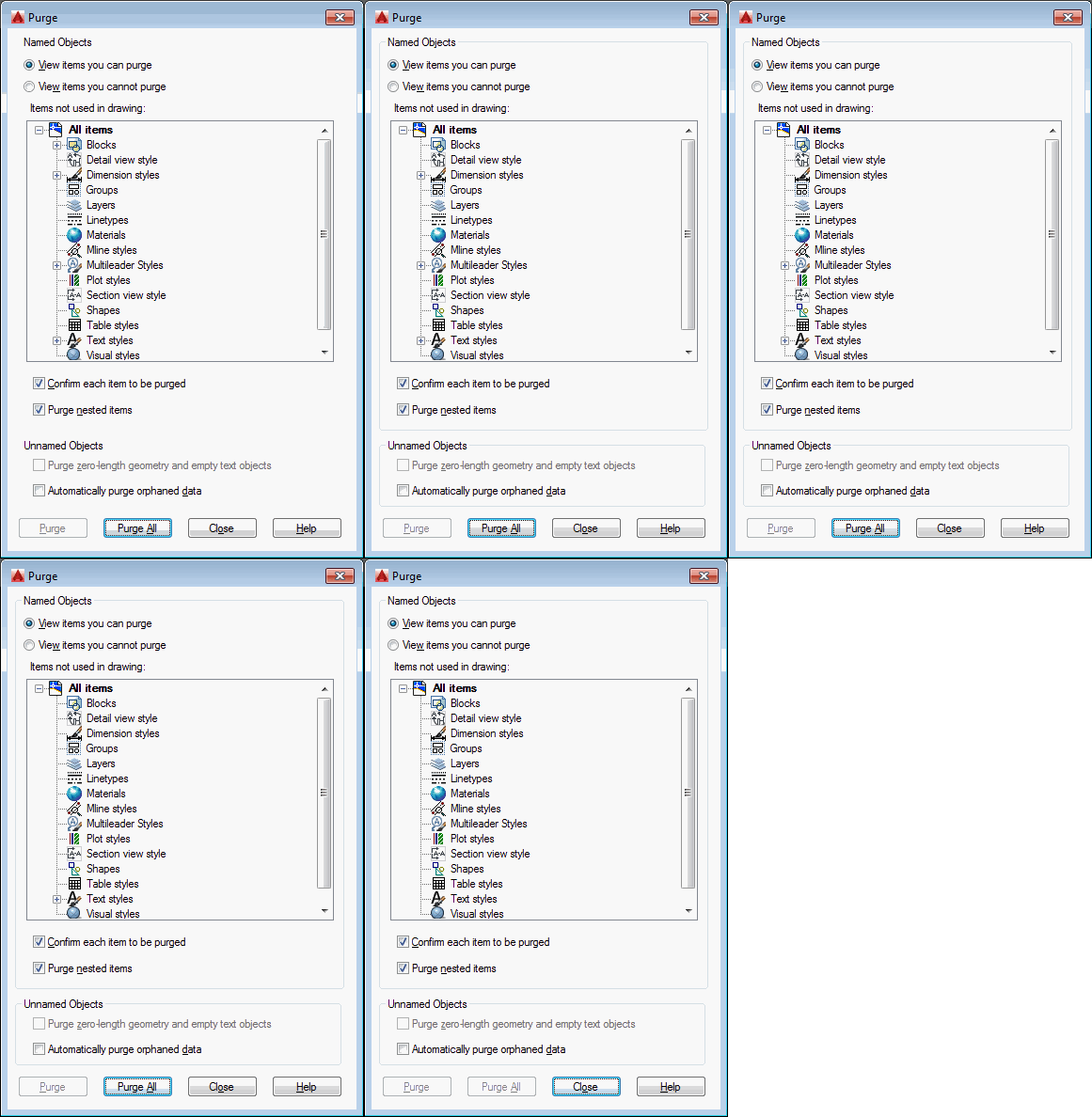
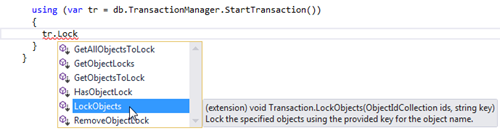
In the last post we introduced a static C# class containing extension methods for the ObjectId and Transaction classes. The new Transaction methods allow you to more easily "lock" objects, whether because they're "system" objects you want to keep around in every drawing or because they're objects that shouldn't be purged at whim by users. Under the hood, the implementation uses Xrecords stored in the Named Objects Dictionary that contain hard-pointer references to the various locked objects. This stops the PURGE command from removing them, but also allows us to check via Database.Purge() – or our new ObjectId.IsErasable() shortcut –…
-
This is one of those topics that has been at the back of my mind for a number of years. Here's a question I received via a blog comment back in 2009: I was wondering if there's an easy way to modify the objects to purge. For example, if a particular text style was included in the drawing that I did not want to be purged. Can this easily be done? Here's how I responded, at the time: There are a couple of ways: You can maintain your own list of objects "to keep" and remove any items that are…
-
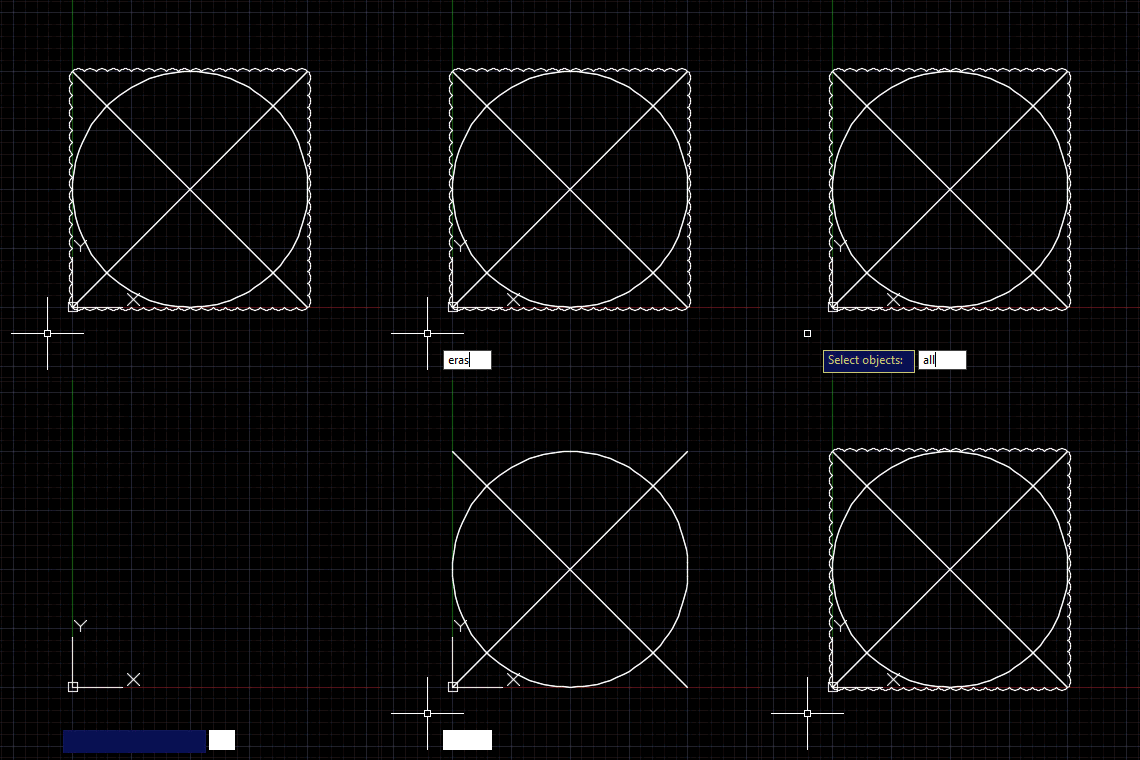
This question came in as a blog comment on this previous post: Is possible to use Revision Cloud in this situation? Example: Creating a polyline/circle/ellipse then make it a revision cloud. It seemed to make sense to broaden the topic for the purposes of this blog post: how to pass an entity or entities to an AutoCAD command called via Editor.Command() or CommandAsync(). Since Editor.Command() was implemented in AutoCAD 2015, I've been a fan of the calling commands in AutoCAD application code. But I haven't actually covered the approach needed to send object information to commands via this function. Yes,…
-
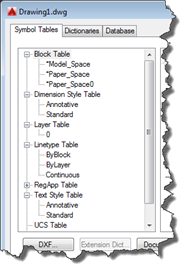
This interesting question came in by email from Igor, over the weekend: Let say I want to delete a layer by it's name. I can get ObjectId or LayerTabelRecord from the name, like LayerTable tLayers = (LayerTable) Transaction.GetObject(Database.LayerTableId,OpenMode.ForRead,false) LayerTableRecord ltRecord = (LayerTableRecord) Transaction.GetObject(tLayers.Item[Name],OpenMode.ForWrite,false); Now having LayerTableRecord how can I found out that this DBObject is not the built-in one? Like names '0' or 'DEFPOINTS'. Same goes for TextStyle (STANDARD) or layout (MODEL)….? I can't found any property regarding this, like IsBuiltIn. The IsPersistent property is no help. It's true that there isn't an IsBuiltIn property on AutoCAD objects… for block…
-
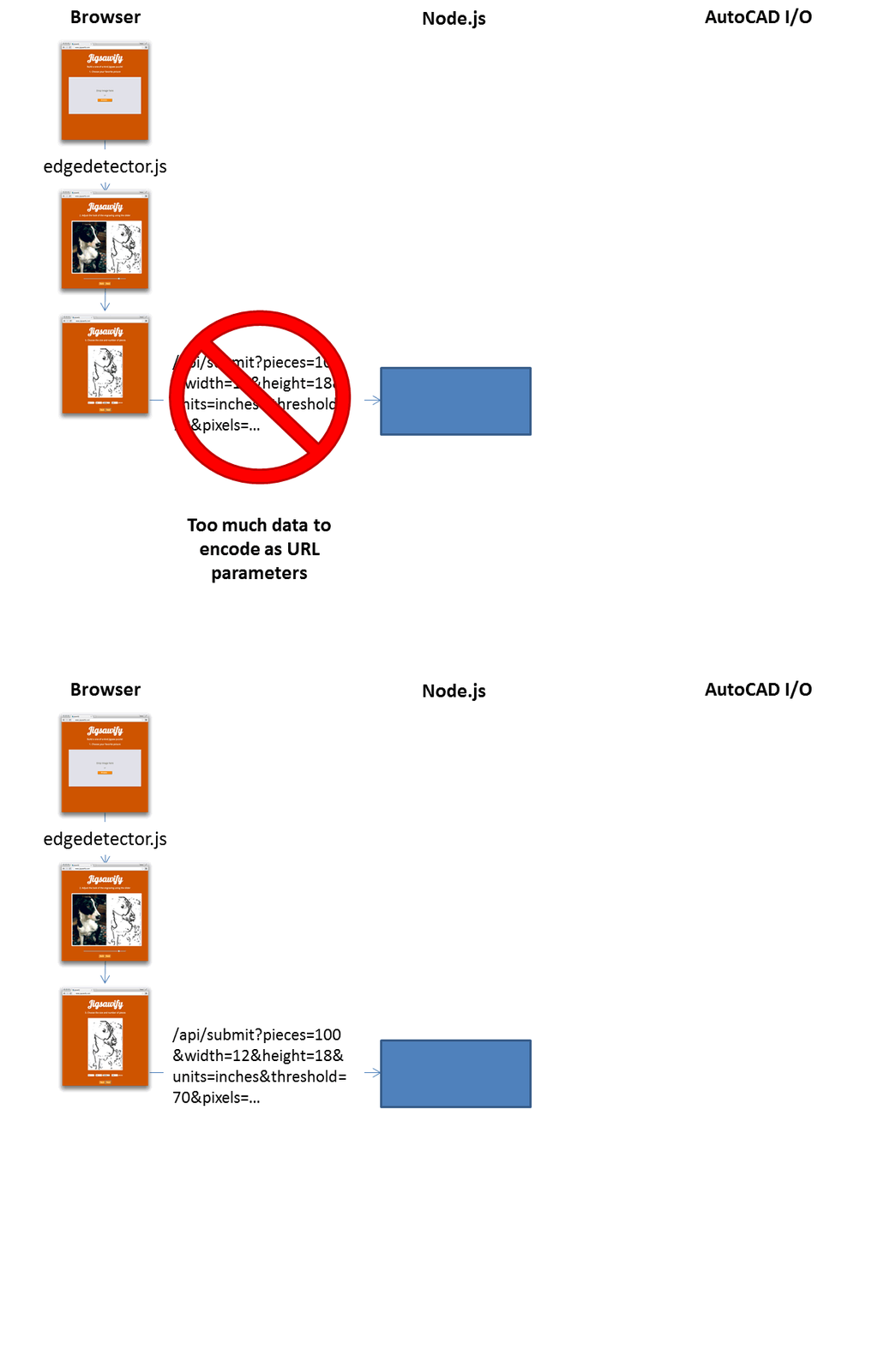
As mentioned in this recent post, I've been working on my AutoCAD I/O-driven web-site on and off for the last few weeks. Lately I've had to think beyond certain assumptions I'd made about its architecture, and I thought it worth sharing those thoughts here. The intention of the site is that you upload an image and then see some edge detection get performed on it, generating an engraving layer for a custom jigsaw puzzle. AutoCAD I/O gets used to generate a drawing that can drive a laser cutter, creating your 100% unique jigsaw puzzle. Basically making the world a better…