AutoCAD .NET
-

After discovering, earlier in the week, that version 1.5 of the Kinect SDK provides the capability to get a 3D mesh of a tracked face, I couldn't resist seeing how to bring that into AutoCAD (both inside a jig and as database-resident geometry). I started by checking out the pretty-cool FaceTracking3D sample, which gives you a feel for how Kinect tracks faces, super-imposing an exaggerated, textured mesh on top of your usual face in a WPF dialog: I decided to go for a more minimalist (which also happens to mean it's simpler and with less scary results 🙂 approach for…
-
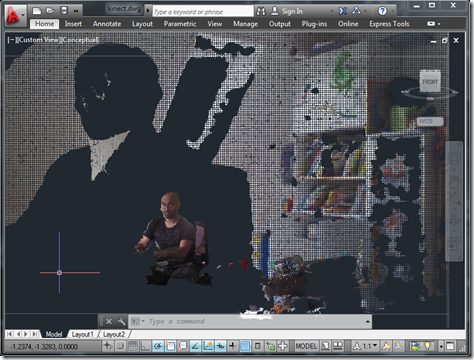
As promised in the last post, today we're going to see the adjusted point cloud import workflow applied to the previously posted Kinect integration samples. This was also an opportunity to look at the improvements in version 1.5 of the Kinect for Windows SDK. When the SDK was announced, my initial reaction was "OK, but what we really need is finger-tracking", especially as it was right around the time Leap Motion made their big announcement. But there have nonetheless been some really interesting capabilities added to the Kinect SDK with version 1.5: Seated mode skeletal tracking You can choose to…
-
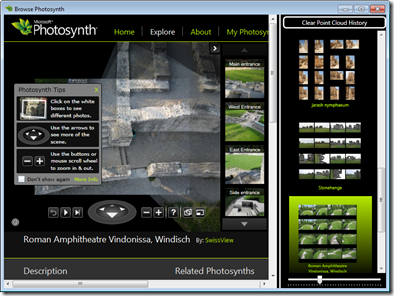
Thanks to RS for raising this issue via a blog comment and to my esteemed colleague, Christer Janson, for suggesting the solution during England's epic Euro 2012 victory over Sweden on Friday evening (sorry, Christer – I couldn't help but rub it in just a little ;-). On a slightly more serious note, I find it very painful to watch England play, at the best of times, and while I was happy "we" won, I was sad to see Sweden left with no chance of continuing past the group stage. So it goes. Those of you who have played around…
-
Hot on the heels of my last post regarding this year's API wishlist surveys, Stephen Preston has announced on the AutoCAD DevBlog the launch of this year's AutoCAD API wishlist survey. The survey will remain open until June 22nd, but don't delay – you'll find it very quick to complete. This year's survey has a somewhat different format: it has a number of questions dedicated to understanding your needs around AutoCAD WS and developing for the cloud. This doesn't mean we're no longer interested in the desktop – nothing could be further from the truth – so be sure to…
-

As we reach the end of this long series of posts on moving code to the cloud – and a look at ways to use the functionality from a wide variety of applications, many of them on mobile devices – I felt it was worth putting together a quick summary post to reinforce the overall message (which may have been a bit lost in the sheer volume of information). Firstly, here are the posts in this series, including those looking at the original creation of the "desktop" application functionality: Creating the core desktop functionality Circle packing in AutoCAD: creating an…
-
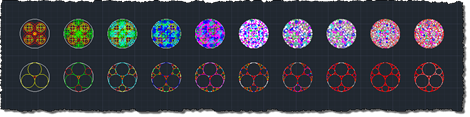
A quick recap on the series so far… after introducing the benefits of moving application functionality to the cloud, we spent a couple of posts taking algorithms we'd previously hosted directly inside an AutoCAD and moving them to live behind a locally-hosted web-service. We then took a step back and talked about some issues around architecting applications for the cloud before we went on to make use of our web-service inside AutoCAD. And, most recently, we looked at how to move our web-service from a local system to be hosted in the cloud. And a quick aside, as I watched…
-
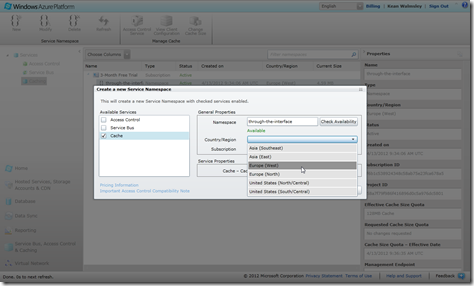
As mentioned in the last post, while working on deploying our web-site and its related services to Windows Azure, I started to chew on the economics of Azure hosting. This is especially relevant as I start to see my free 3-month subscription's resources being burned through by all of you checking them the links in the last post. 😉 Here's what I found… "extra small" instances are a mere sixth of the cost of "small" instances (not taking into account the 6-month pre-purchase discount on small instances, admittedly), which got me thinking: if I can reduce the resources needed for…
-
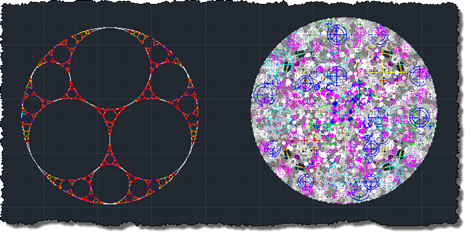
Consumption seems to be a relevant topic, coming after the long Easter weekend here in Switzerland… I was laid up with gastric flu on Monday: after having consumed large amounts of food with friends on Saturday and Sunday, I ended up eating nothing for the whole day. I managed to put the finishing touches on the previous post in this series, but beyond that I was pretty useless. Anyway, back to the point. We've looked at the trend of moving to the cloud, and the steps for creating and implementing a RESTful web-service using the new ASP.NET Web API. Now…
-
After introducing the (apparently somewhat charged, judging from the comments) topic of moving application functionality to the cloud, and then looking at the steps of creating and implementing an ASP.NET Web API project, we're now going to take a brief step back before looking at how we can effectively make use of the data provided by these web-services inside AutoCAD. If you're looking to assign blame (not that any is needed ;-), it's Scott McFarlane's fault we're taking this brief backwards step: Scott raised the excellent point – which really needs addressing sooner rather than later in this series –…
-
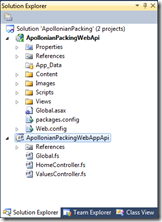
In the last post, we looked at the core technology we're going to use to expose our web-service, along with the basic project set-up. In today's post, we're going to flesh out this project and see the web-service in action. At this point, I should point out that I've switched back across for VS2010 for the purposes of this post (and its immediate successors), as it really will simplify the eventual integration with Windows Azure. Before we dive into the implementation of our web-service, here are a few words on what we're after… We want to implement two web-service APIs:…